Whole-Home Surge Protection: Planning and Installation Questions
Whole-home surge protection planning starts with checking the electrical panel, grounding system, connected equipment, and installation requirements; Service Electric uses those details to plan and install the appropriate protection.
Request an EstimateWhat Does Whole-Home Surge Protection Protect?
Whole-home surge protection is an electrical safety system that diverts transient voltage away from circuits and connected equipment. Service Electric reviews the electrical system so we can select an installation approach that fits the home.
A power surge or voltage spike can travel through the electrical system and reach electronic equipment. Protection can help reduce exposure for sensitive electronics, appliances, and other connected loads, but it does not replace safe wiring or proper grounding.
We can explain how Whole-Home Surge Protection fits with the property’s electrical panel, service entrance, and connected equipment.
What Should You Check Before Planning Installation?
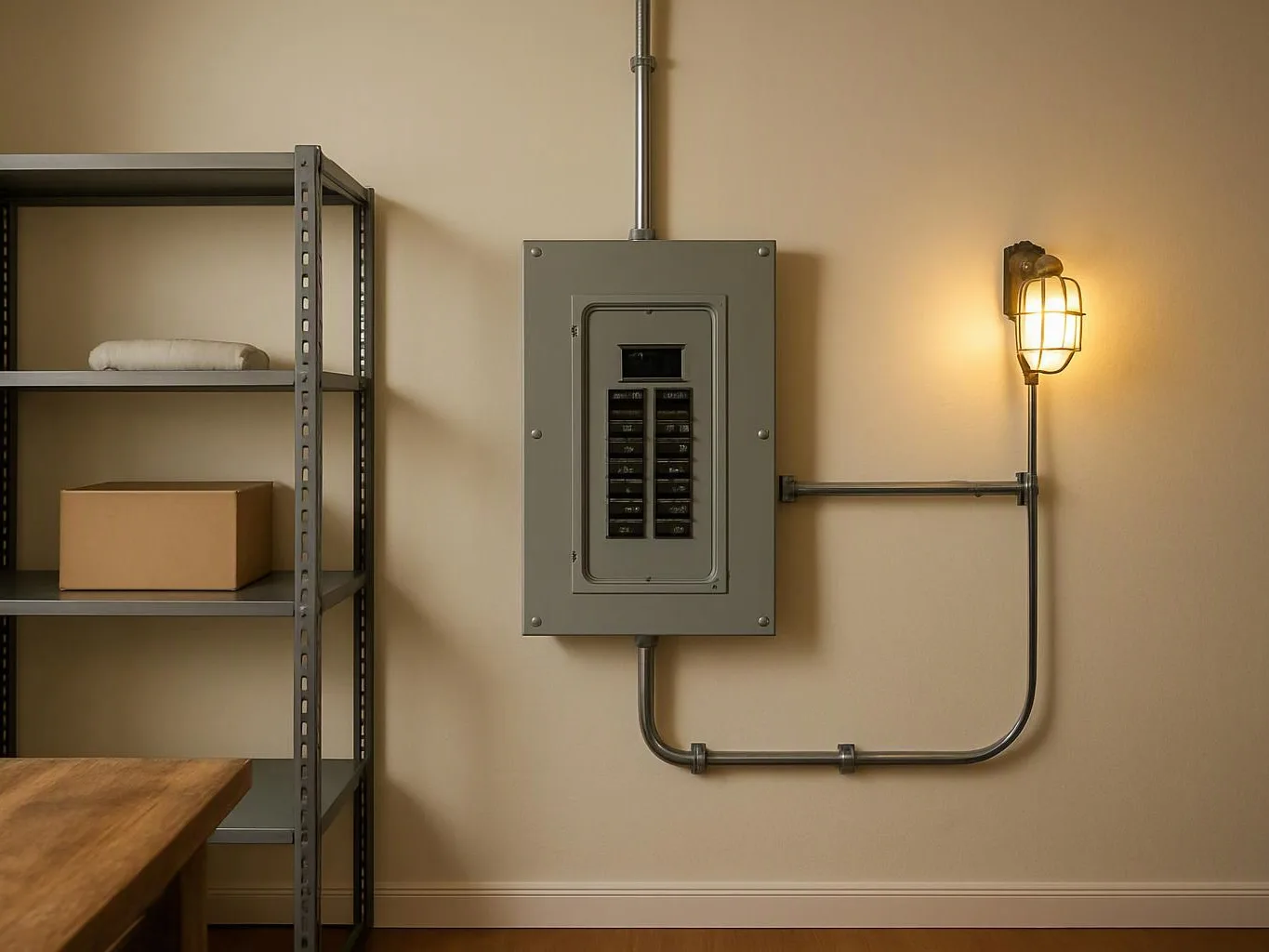
Planning starts with checking the electrical panel, grounding and bonding, service configuration, breaker space, and the equipment the system needs to protect. Our team uses these details to define the installation location and project scope.
Does the Electrical Panel Need an Upgrade?
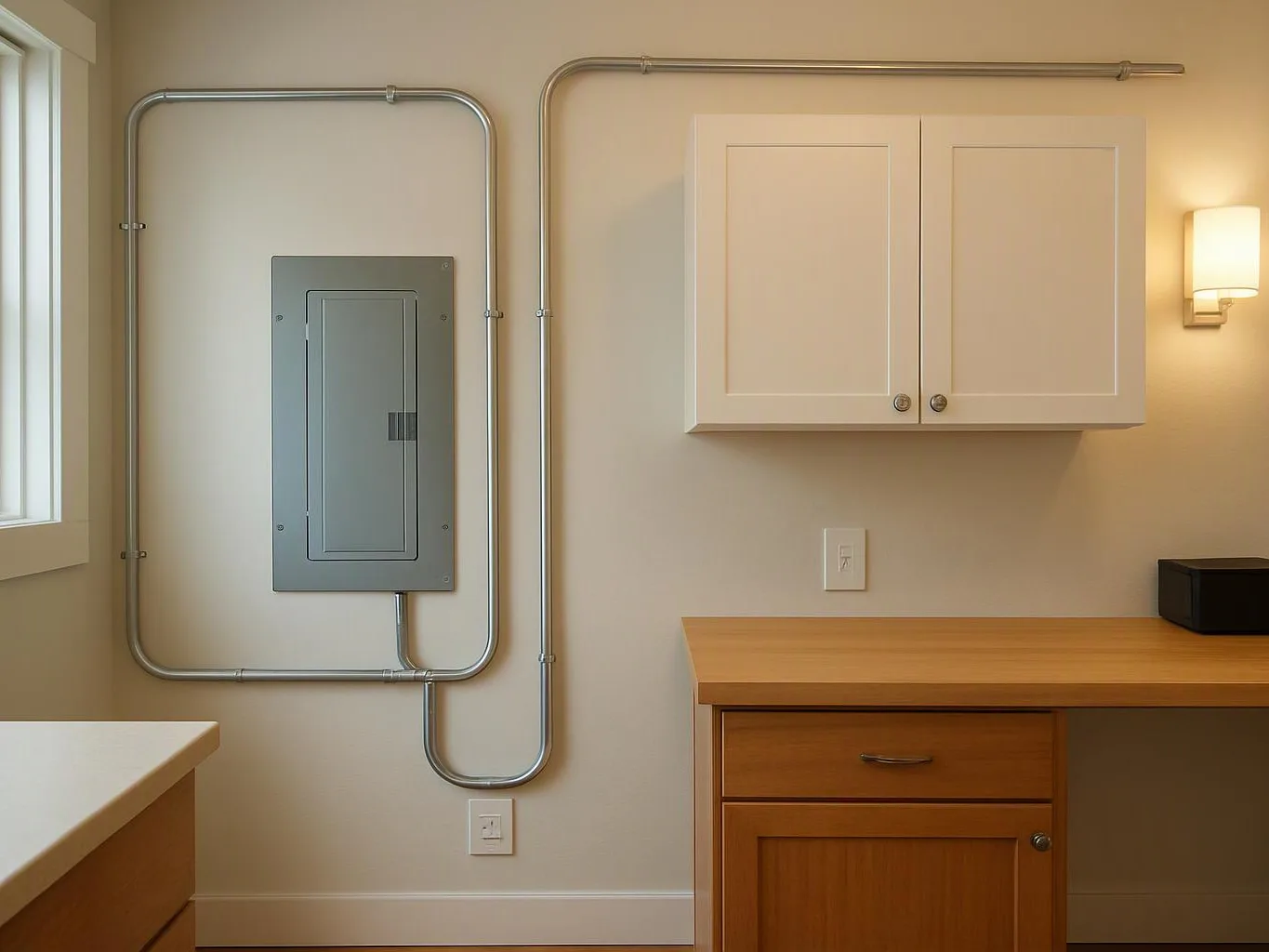
An electrical panel may need related work when its configuration, condition, available space, or service equipment does not support the planned surge protection installation.
We check the circuit breaker connection, busbar condition, panel capacity, and service equipment before recommending panel modifications. If the existing panel supports the work, the project scope can stay focused on surge protection.
When Do Surge Protection and Panel Work Belong in the Same Project?
Whole-home surge protection and electrical panel work belong in the same project when the existing equipment cannot safely support the planned protection. Our team connects the panel decision to the full electrical system instead of treating each task as unrelated.
How Do Surge Protection and Electrical Panel Work Together?
Surge protection and electrical panel work together through a planned sequence that accounts for compatibility, grounding, and access. We review the full project scope before deciding how the work should be bundled.
Which Surge Protection Features Should You Discuss?
Surge protective device features depend on the electrical service, installation location, connected loads, manufacturer requirements, and the protection approach for the property.
We can discuss whether a Type 1 surge protective device, Type 2 surge protective device, or another panel-mounted approach fits the service configuration. The decision may also involve nominal discharge current, voltage protection rating, and the device’s indicator status.
Our team follows the manufacturer instructions for wiring, breaker selection, placement, and verification. We explain what the status indicator means so you know what to look for after installation.
What Does Service Electric Check During Installation?
Service Electric checks the electrical panel, surge protective device, circuit breaker, grounding system, bonding, and electrical wiring during installation. We use the equipment instructions to guide the connection and complete functional verification.
What Changes the Cost of This Surge Protection Project?
The project cost depends on the surge protection equipment, panel configuration, grounding condition, wiring access, and any related electrical panel or service work; Service Electric can prepare an exact quote after reviewing those conditions.
A straightforward panel connection may have a different scope from work that requires panel modifications, service entrance changes, or grounding and bonding repairs. We explain which conditions affect the quote and what the planned work includes.
Our project quote is based on the actual electrical system, installation location, selected surge protection device, and related work identified during the inspection.
How Can You Prepare for a Surge Protection Installation?
You can prepare by identifying sensitive equipment, locating the main electrical panel, noting existing protection, and sharing electrical service information with Service Electric.
Make a simple list of important home electronics and appliances connected to the electrical system. Tell our team about any existing power strips, panel-mounted protection, service changes, or electrical concerns.
Keep the area around the main electrical panel accessible for inspection. Photos of the panel and available service information can also help us understand the starting conditions before the visit.
Plan Your Whole-Home Surge Protection Project
Service Electric reviews the electrical system and project requirements so we can explain the recommended whole-home surge protection scope and prepare an exact quote.
We connect the inspection findings to the installation plan, including panel compatibility, grounding, connected equipment, wiring access, and any related service work. Contact our team to discuss your electrical system and plan the next step.
Questions About Whole-Home Surge Protection
Can whole-home surge protection be added to an existing electrical panel?
Yes, whole-home surge protection can often be added to an existing electrical panel when the panel has compatible equipment, safe wiring, grounding, bonding, and available breaker space. Service Electric checks those conditions before recommending the connection.
Does whole-home surge protection protect appliances and electronics?
Yes, whole-home surge protection helps divert transient voltage away from connected circuits, appliances, and electronic equipment. The level of protection depends on the device, electrical system, grounding, wiring, and connected loads.
Where is a whole-home surge protector installed?
A whole-home surge protector is commonly installed at or near the main electrical panel or service equipment, based on the electrical system and manufacturer instructions. We select the installation location after checking panel compatibility, wiring access, and grounding.
Do I need surge protection if my home already has power strips?
Power strips do not provide the same whole-system approach as a panel-mounted surge protective device. Whole-home protection addresses transient voltage at the electrical system, while power strips protect only the equipment connected to them and depend on their own features and condition.
What should I show the electrician before planning whole-home surge protection?
Show Service Electric the main electrical panel, service equipment, existing surge protection, important home electronics, appliances, and any available electrical service information. These details help us review the installation location, connected loads, grounding, and project scope.