Questions about sudden electrical faults and urgent repairs
How does an emergency electrical repair visit move from the first call to the last step?
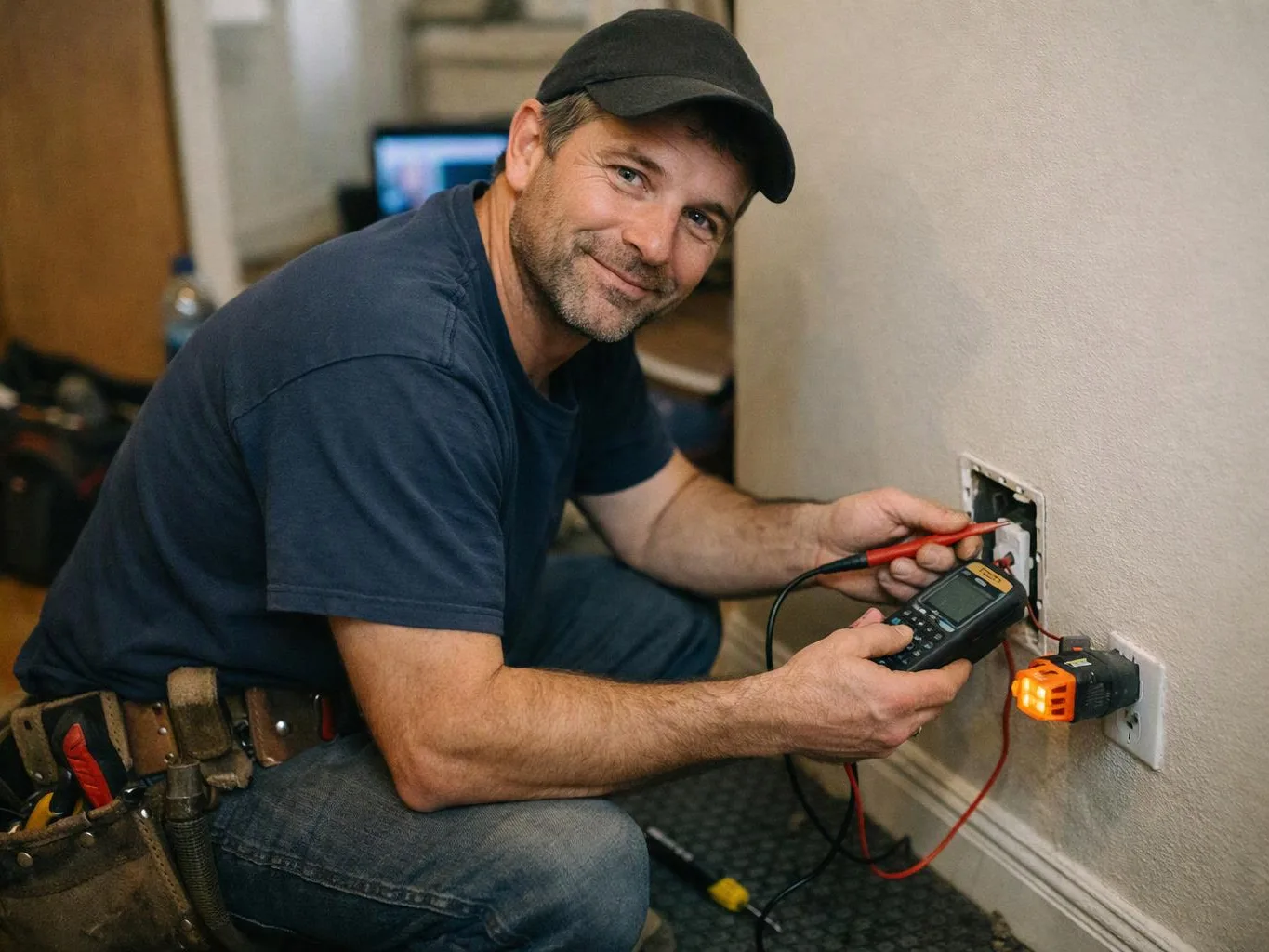
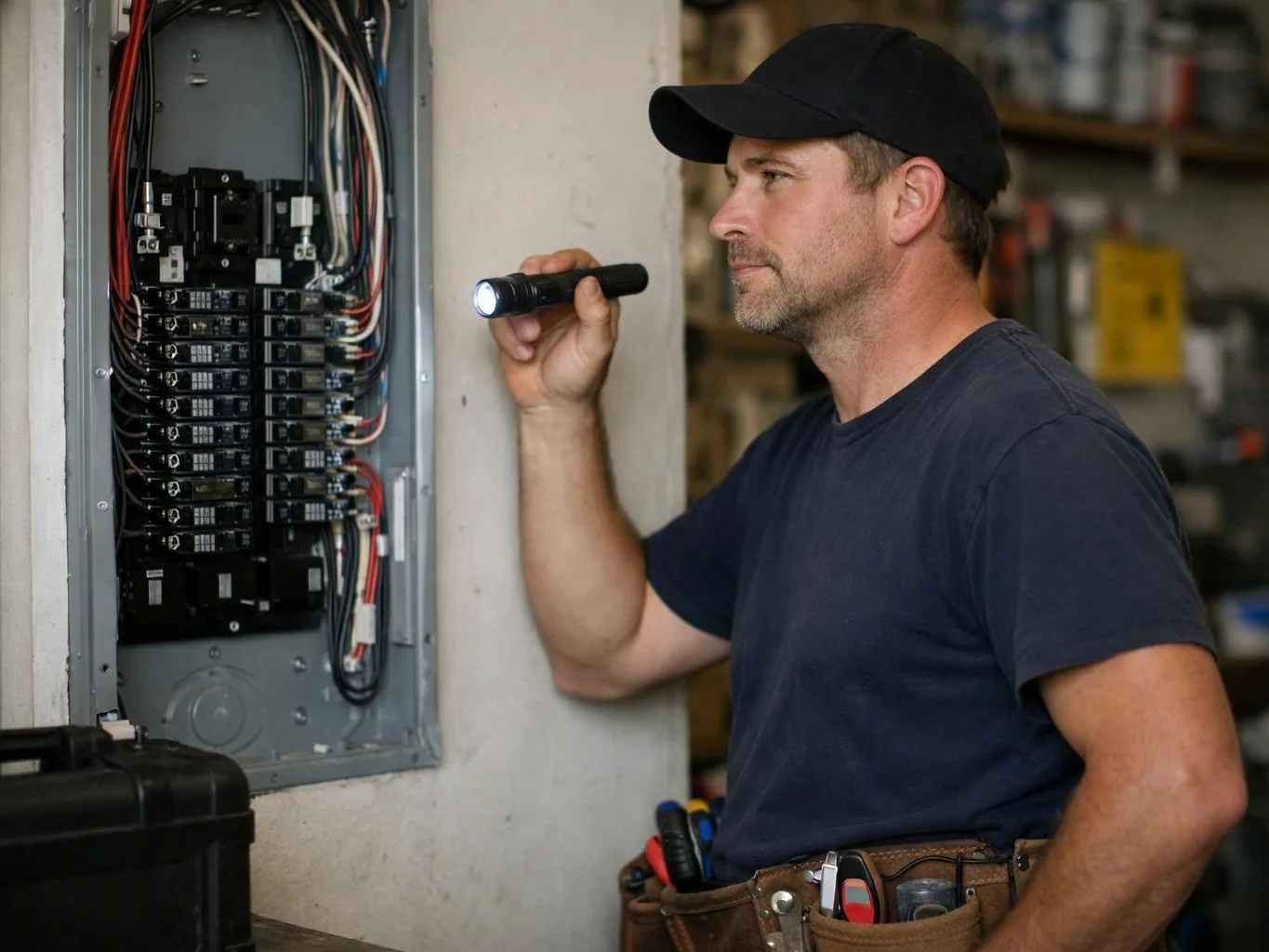
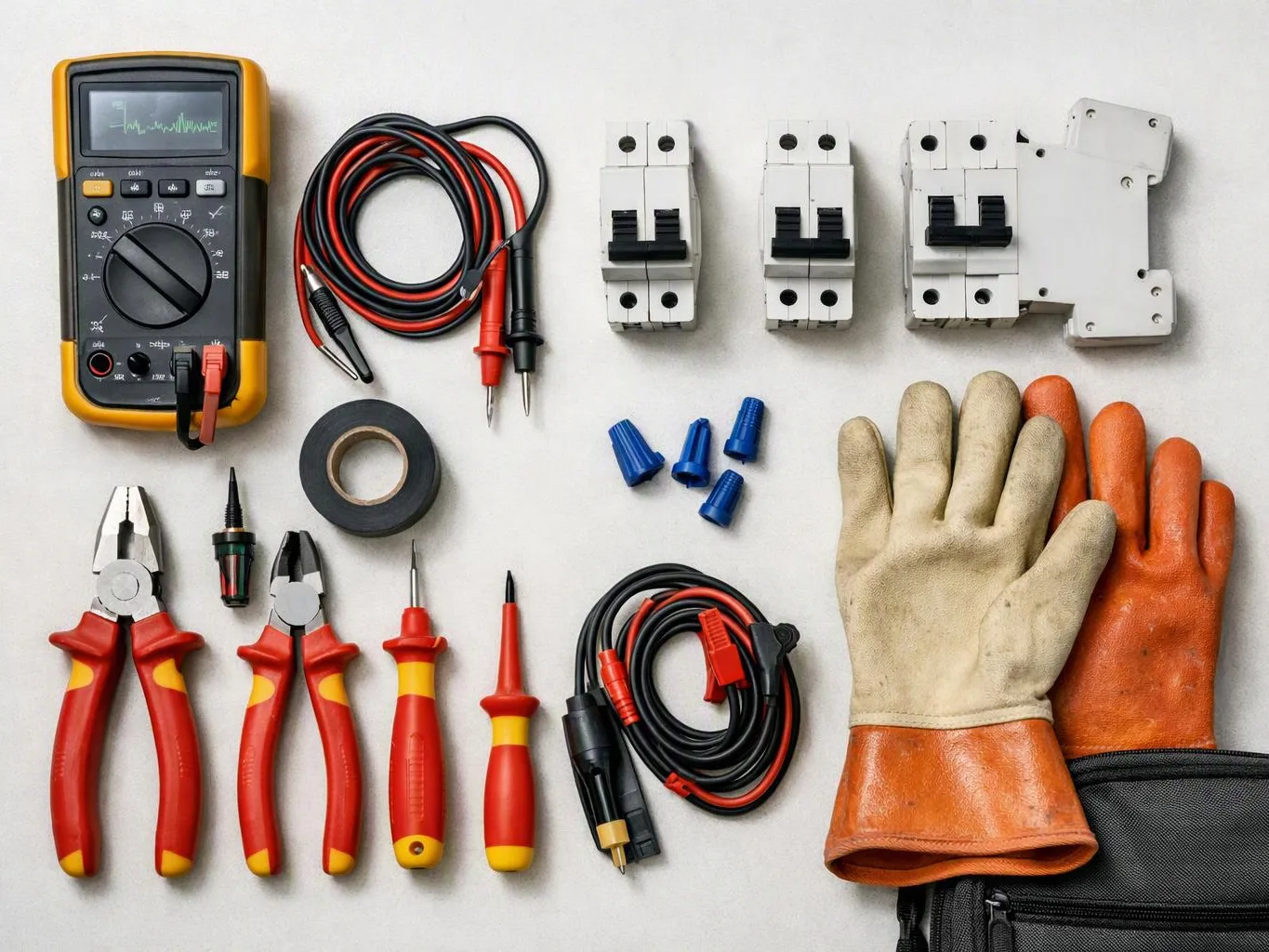
The visit moves from symptom review to circuit isolation, fault tracing, repair planning, and testing. We first record what failed and what warning signs appeared. Next, we check the panel and affected circuit, explain the repair scope, complete supported work, and verify the circuit before discussing follow-up needs.
Which part of the property decides the repair scope?
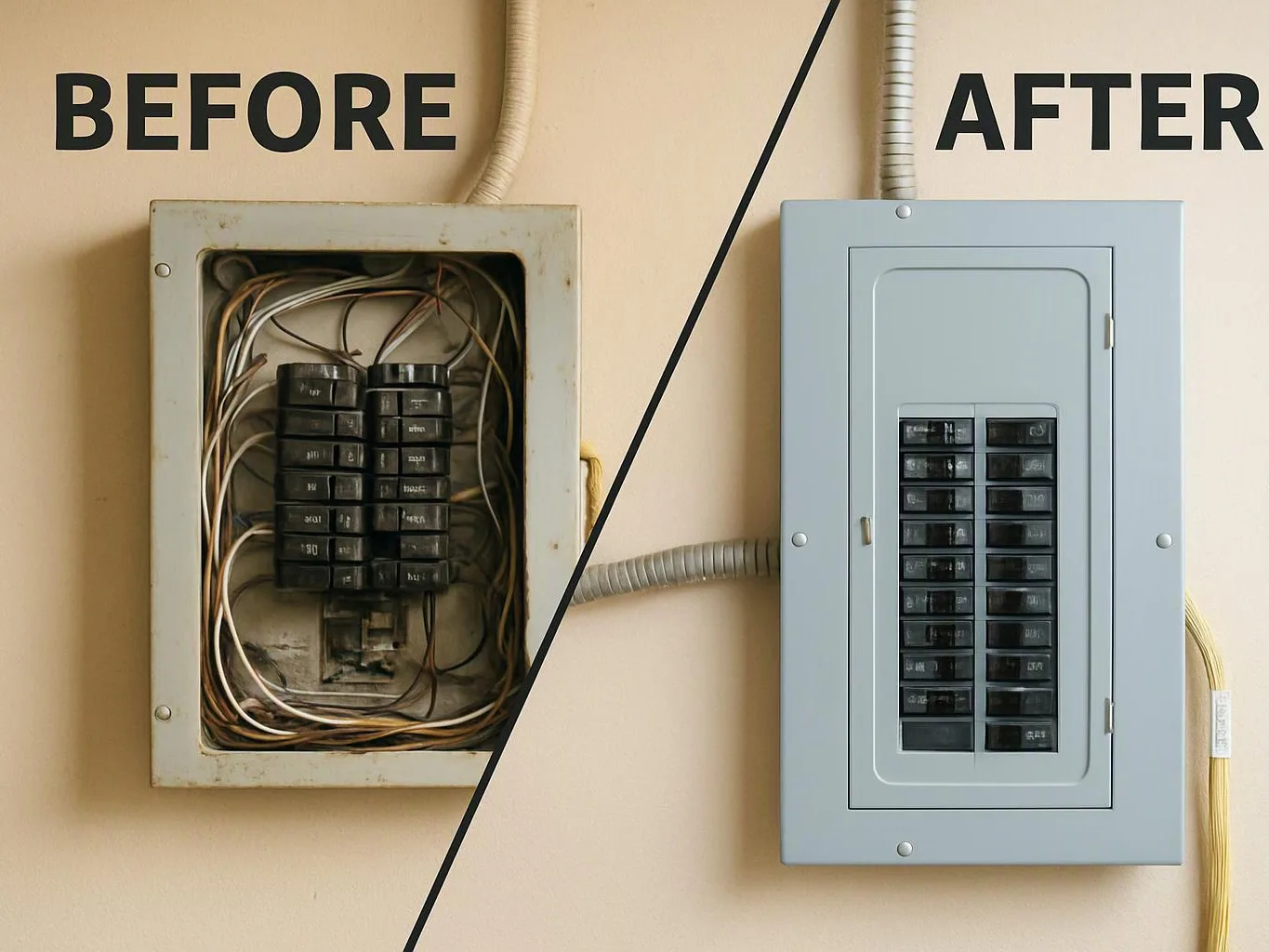
The affected circuit and its connection to the panel usually decide the repair scope. A failed outlet may need a focused repair, while a panel fault, service entrance issue, or overloaded circuit can require broader electrical work. We inspect the panel, wiring path, connected load, and access before explaining the work.
When does a tripped breaker need urgent electrical service?
A tripped breaker needs urgent service when it trips again, feels hot, buzzes, or accompanies an odor, smoke, or sparking. Leave the breaker off and stop using the affected equipment. We check the circuit and connected load to identify whether the cause is a bad device, wiring fault, overload, or breaker problem.
How can a customer tell whether this repair fits the property?
Emergency electrical repair fits a property with an active fault that affects safety, power, or electrical function. Flickering lights, dead outlets, warm switch plates, and repeated breaker trips are useful details to report. Planned lighting, fan, or new construction work belongs in a scheduled electrical service request when no urgent fault exists.
What information should I give Service Electric before the visit?
The most useful information is the affected area, the failed equipment, recent changes, and any heat, odor, noise, or sparks. Tell us whether one breaker trips or the whole property loses power. Photos can help when they are safe to take, but do not open the panel or touch damaged wiring.
Why might a repair become a panel or wiring project?
A repair becomes broader when the fault comes from limited circuit capacity, repeated overheating, damaged conductors, or a panel that cannot support the load. We explain those findings before recommending panel work, a subpanel, grounding correction, or wiring replacement. The final scope follows the condition we find, not the first symptom alone.