Electrical Troubleshooting: When to Call a Professional
Electrical troubleshooting starts with safe visual checks, identifying the affected circuit, and documenting recurring symptoms; Service Electric handles testing, wiring repair, and circuit breaker repair when the problem involves exposed wiring, heat, sparks, repeated trips, or an unresolved power loss.
Request an EstimateWhat Can Homeowners Safely Check First?
Homeowners can safely check whether the issue affects one device, one room, or the whole property, then inspect accessible switches, outlets, and breakers without removing covers or touching wiring.
Start with a safe visual inspection. Do not remove an electrical panel cover, pull out an outlet, or handle damaged electrical wiring.
Our team can continue the investigation when a visual check does not explain the power loss. Electrical troubleshooting may require circuit testing inside the panel or at the affected outlet.
Warning Signs That Require Professional Electrical Troubleshooting
Electrical warning signs such as heat, burning odors, sparks, shocks, exposed wiring, and repeated breaker trips require Service Electric to investigate the electrical system.
Stop using the affected device or area when a warning sign appears. Contact us when the condition involves energized parts, hidden wiring, or a circuit that will not stay on.
We isolate the affected circuit before examining the cause. Our crew then determines whether the repair involves wiring, a device, the load, or the circuit breaker.
What Flickering Lights and Repeated Breaker Trips May Indicate
Flickering lights and repeated breaker trips can indicate a loose connection, overloaded circuit, faulty appliance, or wiring fault that needs electrical testing.
A loose connection can interrupt current as the circuit carries a load. An overloaded circuit can trip its circuit breaker when connected equipment demands more power than the circuit can safely carry.
A faulty appliance can also cause flickering or trips when it starts, heats, or changes operating modes. We use circuit testing to separate an appliance problem from an issue in the electrical wiring.
Do not keep using a circuit that trips repeatedly. We inspect the electrical panel, review the connected load, and trace the fault before recommending electrical wiring repair or circuit breaker repair.
What to Check When One Room Loses Power
A homeowner should check nearby GFCI outlets and the matching circuit breaker when one room loses power, but unresolved or recurring loss requires Service Electric to trace the circuit.
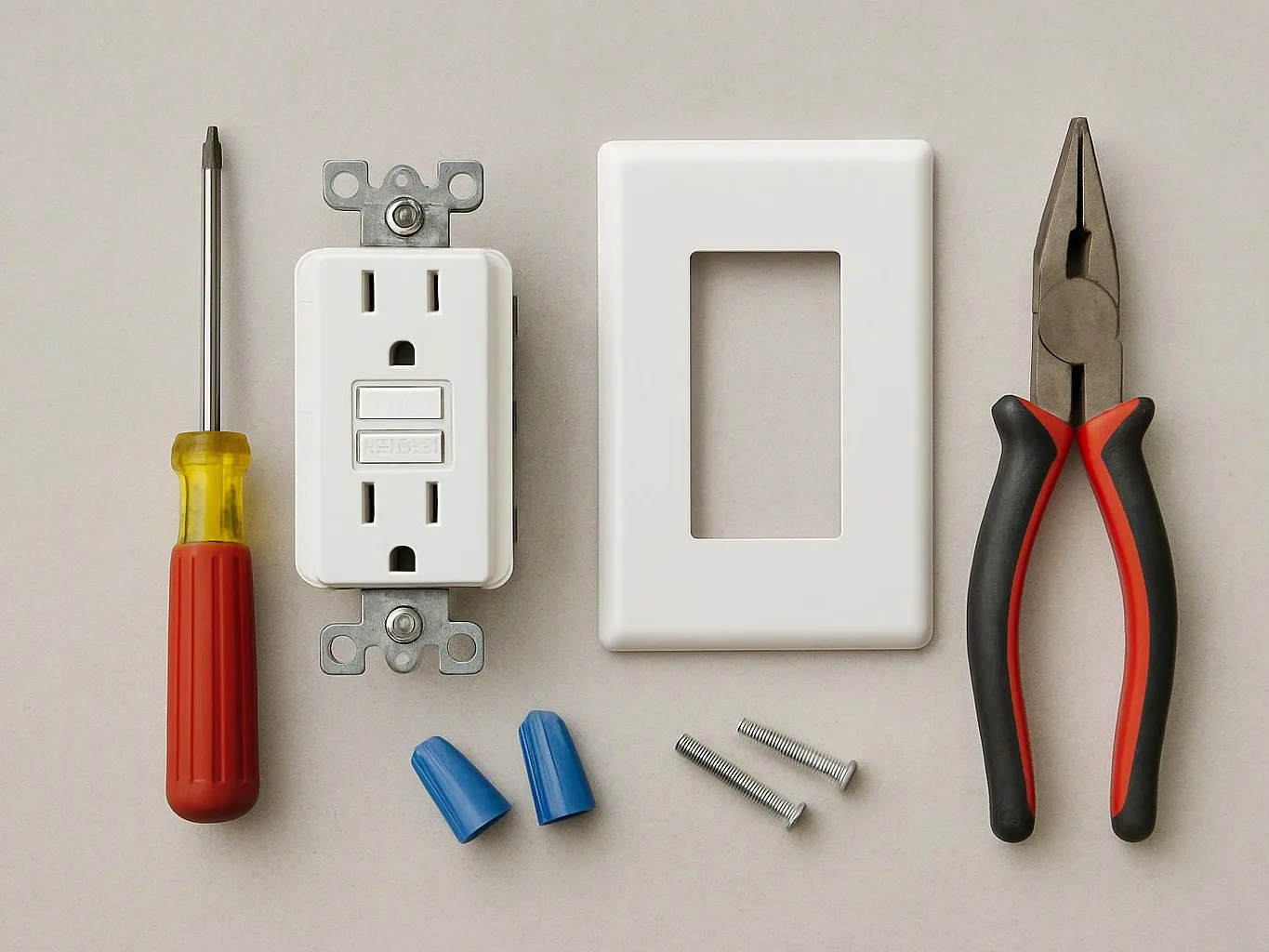
Check whether the affected outlet has a reset button or whether another GFCI outlet nearby may protect the room. Press a reset button only if the outlet is dry, intact, and free of heat or discoloration.
Next, look at the electrical panel for a tripped circuit breaker. If a safe reset does not restore power, or the breaker trips again, leave the circuit off.
We trace the room power loss through the circuit path. Our team checks the outlet, connections, protective devices, and panel to locate the interruption.
How to Troubleshoot Electrical Problems After a Power Interruption
After a power interruption, homeowners should unplug damaged or malfunctioning devices, check accessible breakers and GFCI outlets, and arrange electrical troubleshooting when power does not return safely.
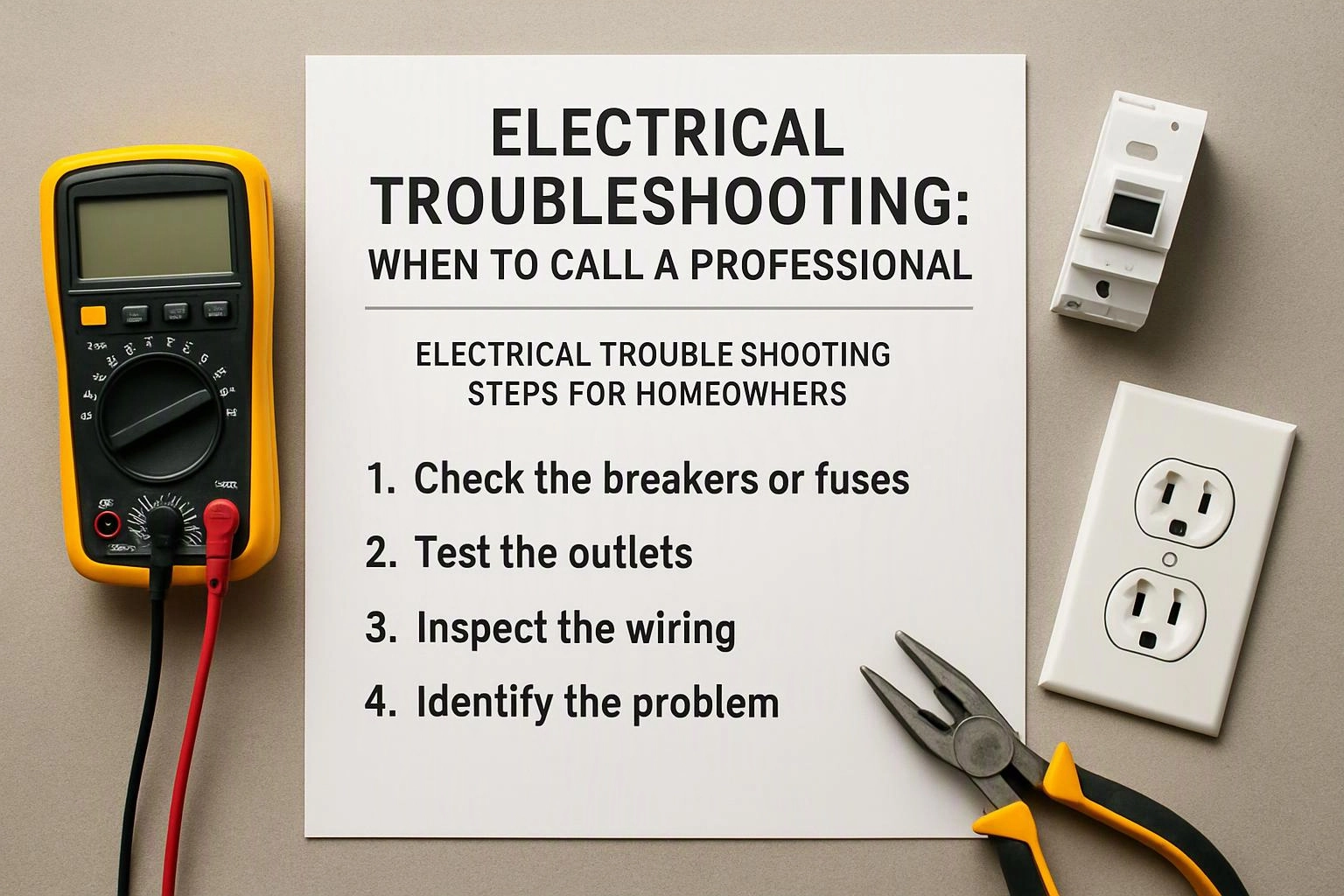
Unplug equipment that will not start, smells hot, shows damage, or behaves differently after the interruption. Do not reconnect a device that may have experienced a surge until its condition is clear.
Check accessible circuit breakers and GFCI outlets without opening the electrical panel or touching wiring. A breaker that trips again points to a condition that needs investigation.
We check whether the interruption affected a single branch circuit or a broader part of the electrical system. Our testing helps identify a damaged appliance, circuit fault, or wiring issue.
How to Document a Recurring Electrical Problem
Documenting the affected area, electrical symptom, connected devices, and conditions when the issue occurs helps Service Electric isolate an intermittent fault.
Bring these troubleshooting notes to our team. Clear details help us compare the symptom with circuit test results and focus the inspection.
DIY Checks or Service Electric Troubleshooting?
Homeowners can perform limited external checks, while Service Electric should perform electrical testing, wiring repair, and circuit breaker repair when the fault is unsafe, hidden, or recurring.
Use the comparison below to decide when an observation ends and electrical service begins. Do not open covers or touch wiring to continue a diagnosis.
| Factor | What you can do yourself | What we do |
|---|---|---|
| Visible condition | Look for damage, heat, odors, or an outlet or switch that is not working. | We investigate the cause and check related circuit components. |
| Breaker or GFCI | Check accessible controls and perform one safe reset when there is no sign of damage. | We test the circuit when the breaker or GFCI will not stay reset. |
| Electrical wiring | Do not remove covers or handle loose or exposed wiring. | We locate wiring faults and complete electrical wiring repair when needed. |
| Recurring issue | Document the symptoms, devices, and conditions. | We use the notes and electrical testing to isolate the fault. |
How Service Electric Diagnoses the Electrical Problem
Service Electric diagnoses the electrical problem by reviewing the symptoms, tracing the affected circuit, testing accessible components, and identifying whether wiring repair or circuit breaker repair is needed.
We begin with your description of the problem and the conditions that cause it. Our team then examines the affected outlets, switches, connected equipment, and electrical panel.
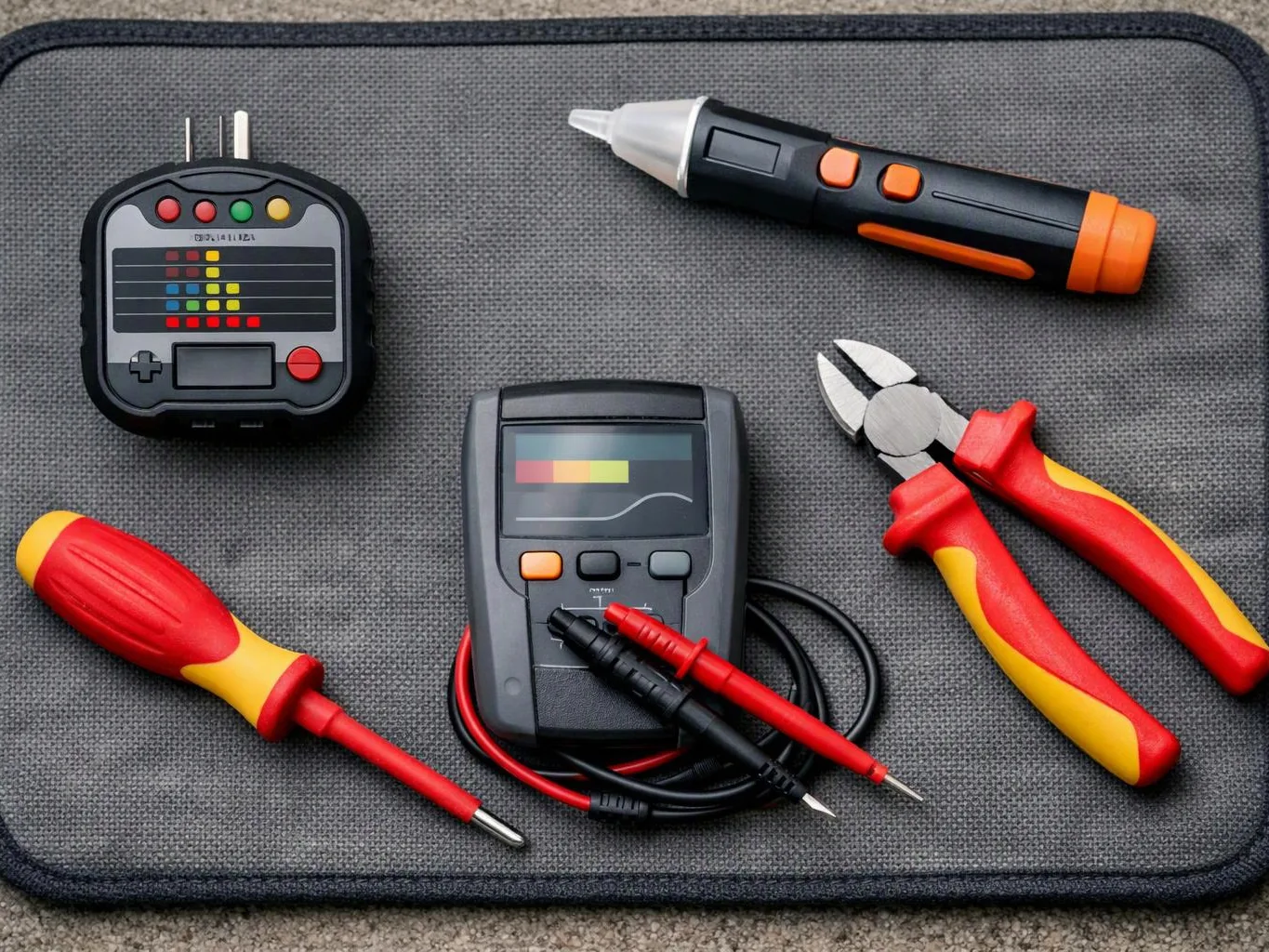
Circuit testing helps us separate a device fault from a circuit fault. We use the results to determine whether the next step involves electrical wiring repair, circuit breaker repair, or another component.
Our diagnosis focuses on electrical safety as well as restored function. We explain the condition we find and the work needed to correct it.
What Information Should You Give the Electrician?
Describe when the electrical symptom began, which areas or devices are affected, what the circuit breaker did, and whether the problem returns after a reset.
Tell us which outlet, light switch, room, or appliance is involved. Include any flickering, heat, odor, sparking, buzzing, or electric shock.
Explain whether the issue followed a power interruption and whether a breaker or GFCI outlet reset changed the condition. Mention connected appliances and whether the problem appears during a particular load.
Share any prior repair history and your troubleshooting notes. These details help our crew connect the reported symptom to the affected circuit.
Questions About Electrical Troubleshooting
Should I keep resetting a circuit breaker that keeps tripping?
Service Electric recommends stopping when a circuit breaker trips again after a safe reset. Repeated trips can point to an overloaded circuit, faulty appliance, or electrical wiring fault that we need to test.
Why do my lights flicker when an appliance turns on?
Lights can flicker when an appliance changes the load on a circuit or when a loose connection or wiring fault is present. We test the appliance and circuit to identify the cause.
Can a power interruption damage household wiring?
A power interruption can be followed by symptoms involving appliances, protective devices, or wiring. We inspect and test the affected circuit when power does not return safely or unusual behavior continues.
What should I do if an outlet feels warm?
Stop using a warm outlet and unplug equipment only if doing so is safe. Do not touch damaged parts, and contact us to investigate the connection and circuit.
Can an electrician find an intermittent electrical fault?
Yes, Service Electric can investigate an intermittent electrical fault by reviewing the symptoms, tracing the affected circuit, and performing electrical testing. Your notes about timing, loads, and resets can help us narrow the investigation.
Electrical troubleshooting is the right next step when a power problem is recurring, unexplained, or connected to heat, sparks, shocks, or exposed wiring. Contact Service Electric so our team can assess the circuit and explain the repair path.