Circuit Breaker Problems: Repair, Replacement, and Safety
Circuit breaker problems that prevent a reset require you to stop using the affected circuit, check for a safe overload, and call Service Electric when the breaker trips again, will not latch, or shows damage.
Request an Estimate
Circuit breaker repair starts with safe isolation and a clear diagnosis. Service Electric separates connected loads, tests the branch circuit, and identifies whether an overload, fault, damaged wiring, or failed breaker caused the power loss.
What Should You Do When a Circuit Breaker Will Not Reset?
A circuit breaker that will not reset should be left off while you disconnect loads and arrange electrical troubleshooting if it trips again or will not latch.
A breaker that keeps tripping is warning of a condition that may create a shock hazard or damage equipment. Our team performs electrical troubleshooting before restoring the circuit.
Signs a Circuit Breaker Problem Needs Attention
These signs show that a circuit breaker problem needs inspection instead of repeated resets.
We inspect the panel, connections, and affected wiring when these symptoms appear. Heat, noise, or burning odors can point to fault current or a loose connection.
Common Causes of Circuit Breaker Problems
A circuit breaker problem usually comes from excessive load, a fault, damaged components, or a connection issue.
Our crew tests the circuit to separate an appliance problem from a wiring or panel problem. The repair depends on the source of the fault.
How to Identify an Overloaded Circuit
An overloaded circuit carries more electrical demand than its wiring and breaker can safely support, so the breaker trips when connected loads operate together.
An overloaded branch circuit often serves several appliances through extension cords or a power strip. The breaker may trip when the combined appliance load rises, even when each device works normally on its own.
You can unplug devices and test the circuit with fewer loads. We check the circuit load, wiring, breaker rating, and electrical connections to determine whether the circuit overload is the true cause.
How We Diagnose a Breaker That Will Not Reset
Service Electric diagnoses a non-resetting breaker by separating connected loads, testing the circuit, and locating the fault before recommending repair or replacement.
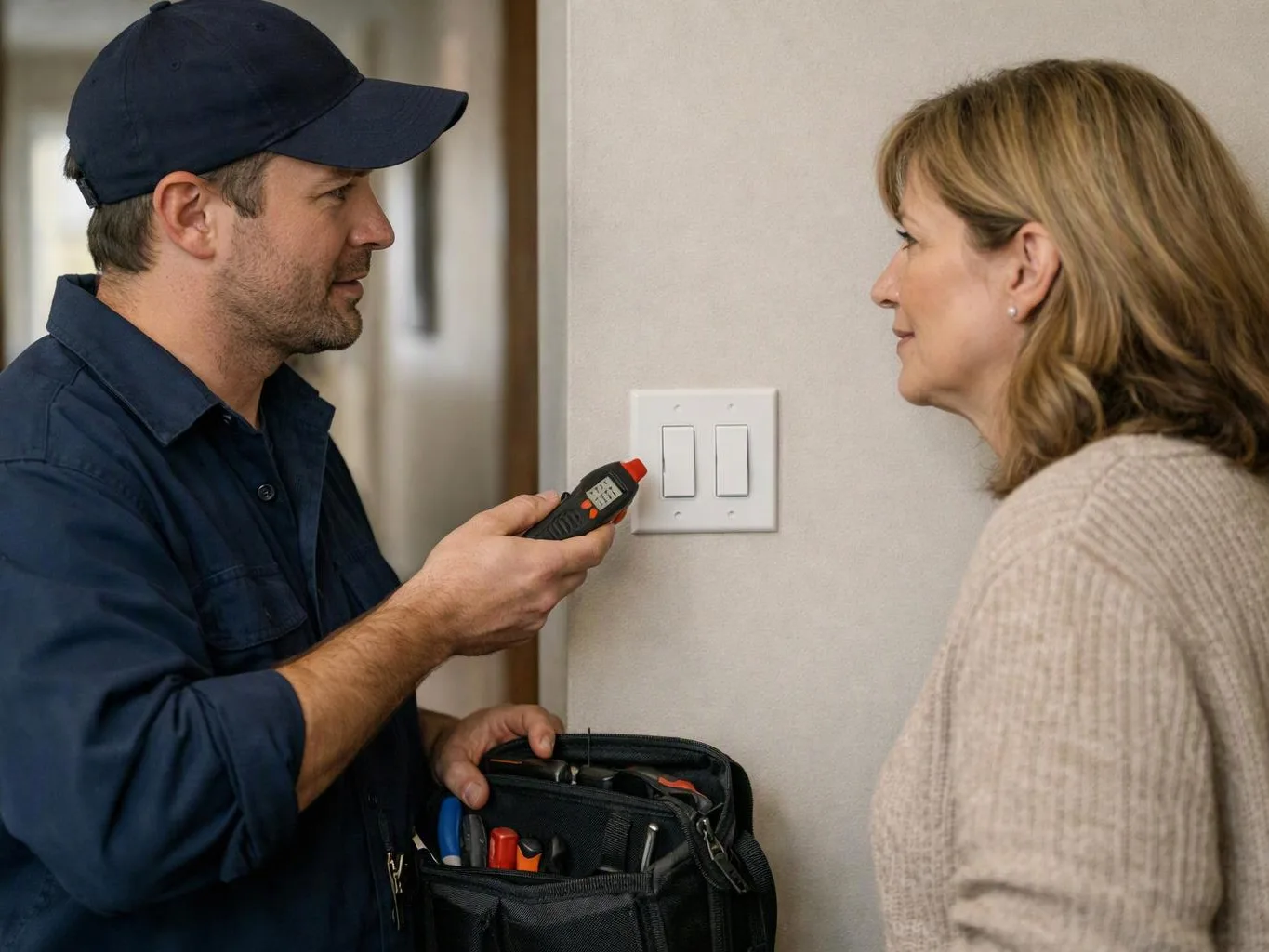
Our electrical troubleshooting process begins with safe isolation at the electrical panel. We inspect the breaker handle, terminal connections, branch circuit, and visible wiring.
We use voltage testing and continuity testing where safe and appropriate. Circuit testing helps us identify a short circuit, ground fault, damaged wiring, faulty appliance, or breaker that no longer operates correctly.
After the fault is located, we explain the corrective work and connect you with Circuit Breaker Repair when repair is the appropriate path.
Circuit Breaker Repair or Replacement: Which Is Needed?
Circuit breaker replacement is appropriate when the breaker is damaged or no longer operates correctly, while repair addresses an underlying wiring, connection, or load problem.
| Option | When it fits | Work involved |
|---|---|---|
| Circuit breaker repair | The breaker operates, but an unsafe load, connection, or circuit condition causes the trip. | We correct the underlying wiring, connection, appliance, or load problem. |
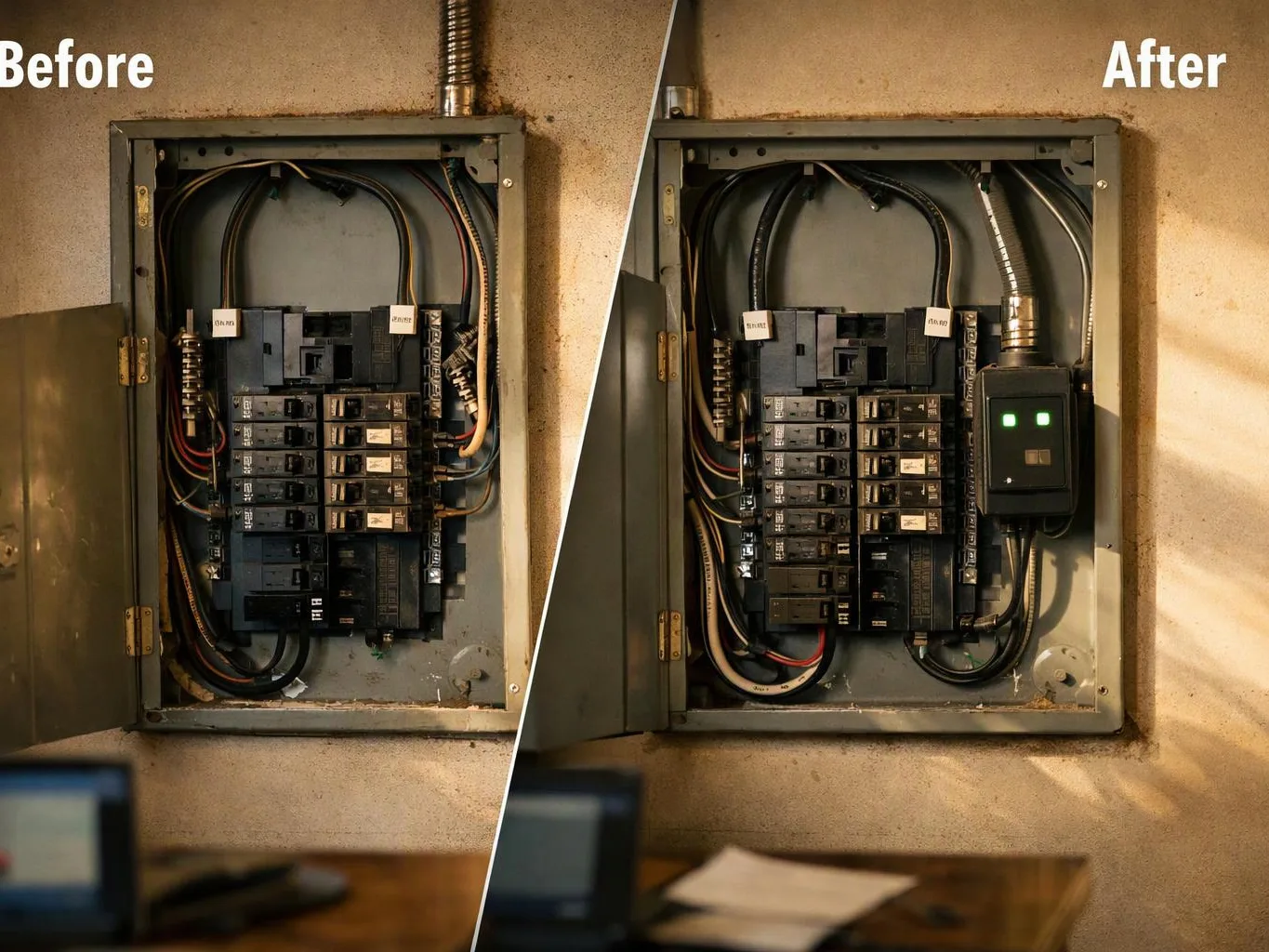
| Circuit breaker replacement | The breaker is damaged, worn, overheated, or fails to latch and operate correctly. | We install a compatible breaker and verify safe operation in the electrical panel. |
| Code-compliant repair | The diagnosis shows an unsafe installation or damaged wiring. | We correct the unsafe condition and test the repaired circuit. |
We do not choose replacement based only on the fact that a breaker trips. Our diagnosis shows whether the electrical panel component or the connected circuit needs attention.
What You Can Safely Check Before Electrical Service
Homeowners can safely check connected appliances and visible conditions without opening the electrical panel or touching wiring.
Unplug devices from the affected circuit and look for water exposure, smoke, scorch marks, or visible damage around outlets and cords. Do not handle wet equipment or continue using an appliance that appears damaged.
Leave the breaker off when the panel feels warm, a burning smell is present, or the breaker will not stay on. We handle testing and repairs that require access to the panel, wiring, or electrical connections.
Circuit Breaker Safety Checklist for Homeowners
A circuit breaker safety checklist helps you avoid shock hazards while you decide whether the circuit needs service.
Our team uses safe isolation before working on a circuit. A tripped breaker does not make every part of an electrical panel safe to touch.
How to Prevent Repeated Circuit Breaker Trips
Preventing repeated breaker trips starts with controlling circuit overload and correcting the cause of excessive appliance load.
We can test the affected branch circuit and check whether the electrical system needs a wiring repair or another corrective measure. Repeatedly resetting the breaker does not solve the underlying condition.
How to Evaluate the Proposed Electrical Repair
An electrical repair plan should identify the failed component or unsafe condition, explain the corrective work, and distinguish necessary repair from optional improvements.
A useful electrical diagnosis connects the symptom to a root cause. The proposed repair should state whether circuit testing found an overload, short circuit, ground fault, damaged wiring, faulty appliance, or faulty breaker.
Review the repair scope for the affected branch circuit, the work planned at the electrical panel, and the testing that will confirm safe operation. We explain why a circuit breaker repair or circuit breaker replacement is recommended.
Ask for a written quote that separates required corrective work from optional improvements. The cost depends on the failed component, access, wiring condition, panel compatibility, and the amount of testing and repair required.
When Should You Call Service Electric?
You should call Service Electric when a breaker will not reset, trips after connected loads are removed, shows heat or damage, or leaves a circuit without power.
Contact us promptly when you notice a burning odor, scorch marks, a warm electrical panel, buzzing, or flickering lights. Our team performs electrical troubleshooting to locate the fault before restoring service.
We inspect the panel, test the branch circuit, and explain whether the solution requires circuit breaker repair, circuit breaker replacement, wiring work, or correction of a faulty appliance.
Request an electrical service quote through Service Electric so we can review the symptoms and proposed repair scope.
Questions About Circuit Breaker Problems
Why does my circuit breaker trip immediately after I reset it?
Service Electric treats an immediate trip as a sign of an active short circuit, ground fault, damaged wiring, faulty appliance, or breaker problem. Leave the breaker off and disconnect accessible loads without opening the panel.
Can a bad appliance cause a circuit breaker to trip?
Yes, a faulty appliance can cause a circuit breaker to trip when it develops an internal fault or draws unsafe current. We isolate the appliance from the branch circuit and test the circuit to confirm the cause.
Is a circuit breaker that feels warm dangerous?
Yes, a warm circuit breaker can signal an overloaded circuit, loose connection, damaged wiring, or failing breaker. Leave the circuit off and contact Service Electric for panel inspection and circuit testing.
Why does a breaker trip when nothing appears to be plugged in?
A breaker can trip with no visible plug-in load when fixed wiring, lighting, an unseen connected device, a ground fault, or the breaker itself has a problem. We test the branch circuit and separate the possible fault sources.
Can I replace a circuit breaker myself?
No, replacing a circuit breaker involves shock and arc flash hazards and requires correct panel compatibility and circuit testing. Service Electric handles circuit breaker replacement and verifies the repaired electrical panel.