How do electricians identify an electrical problem?
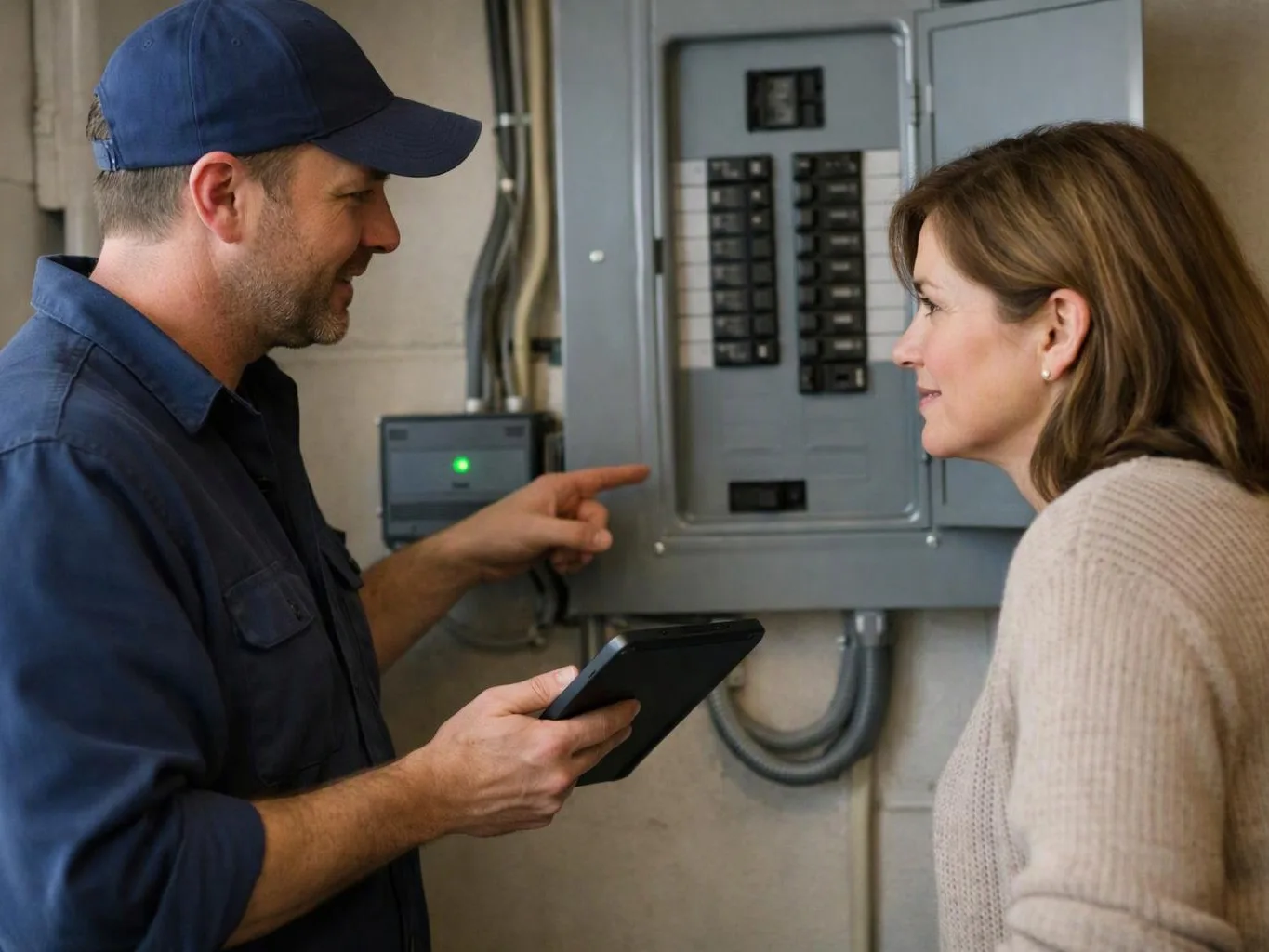
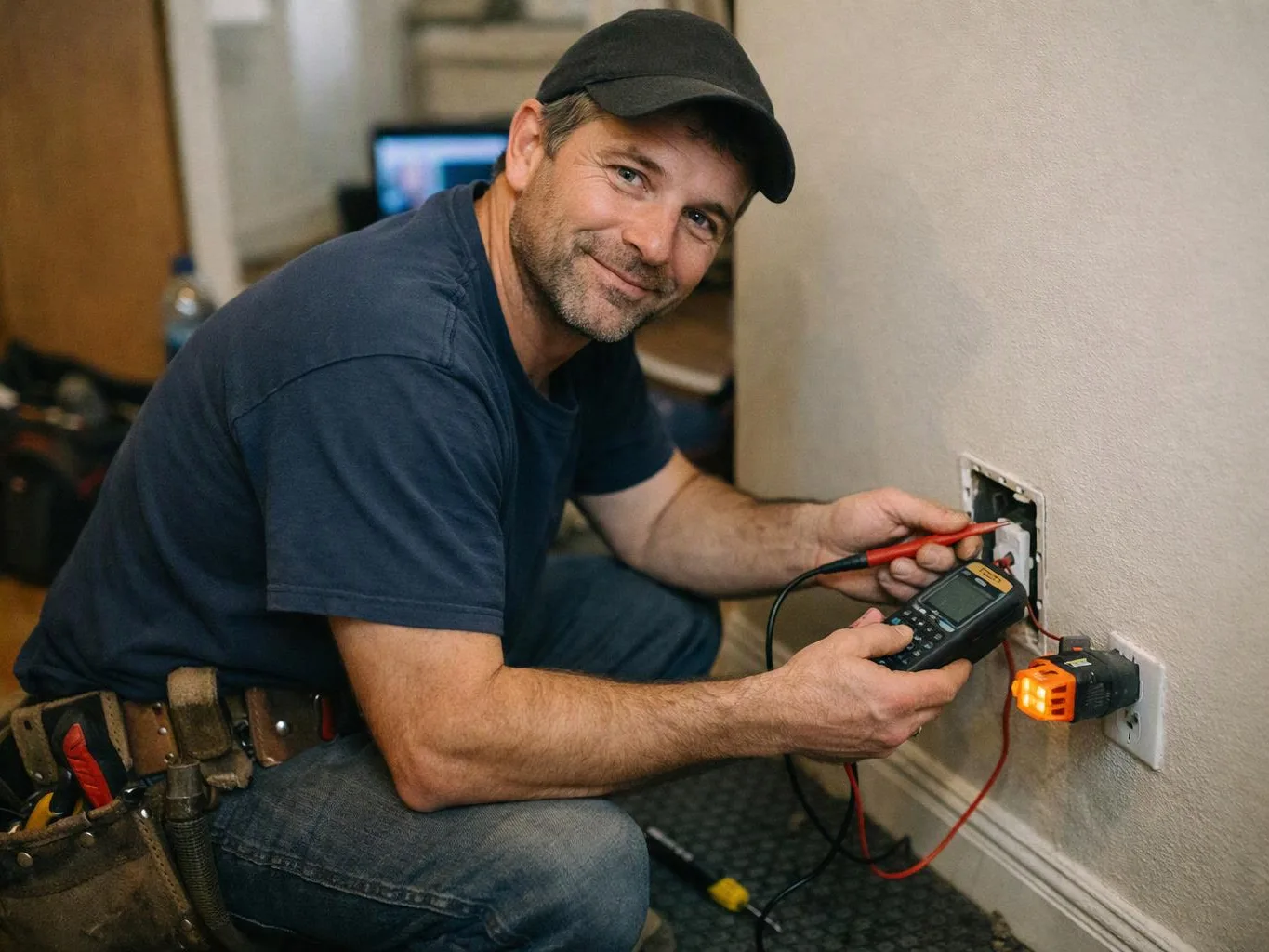
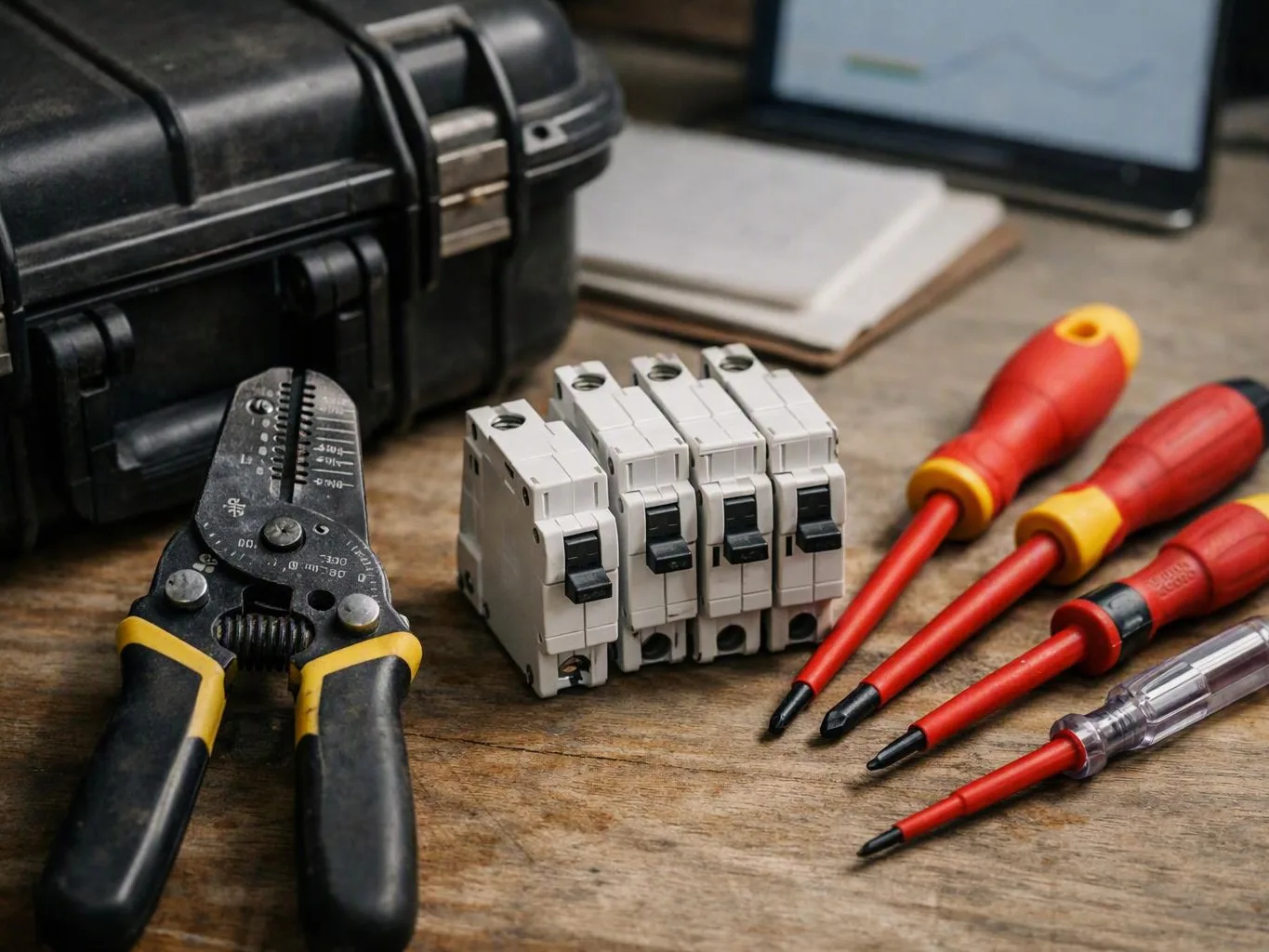
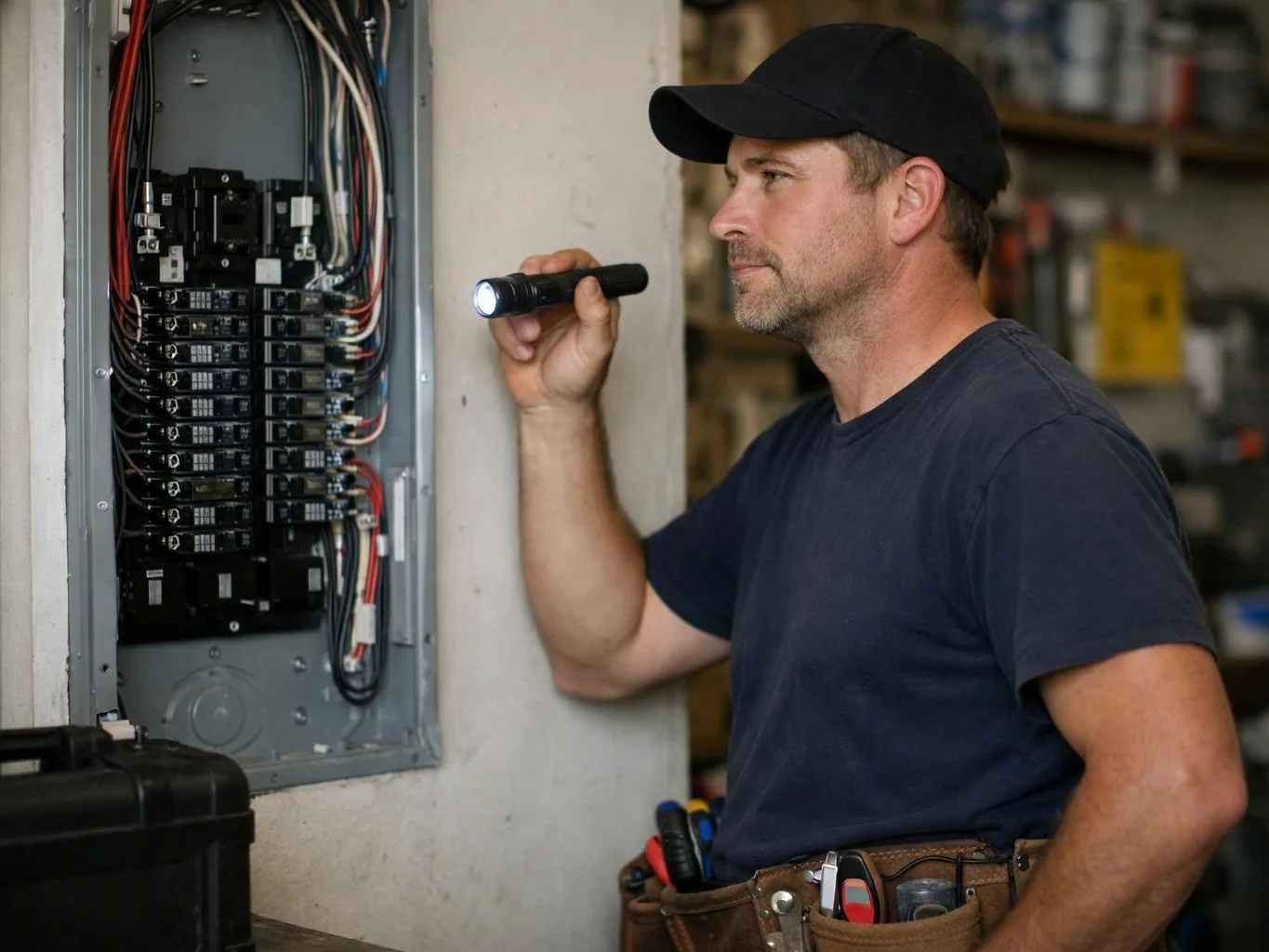
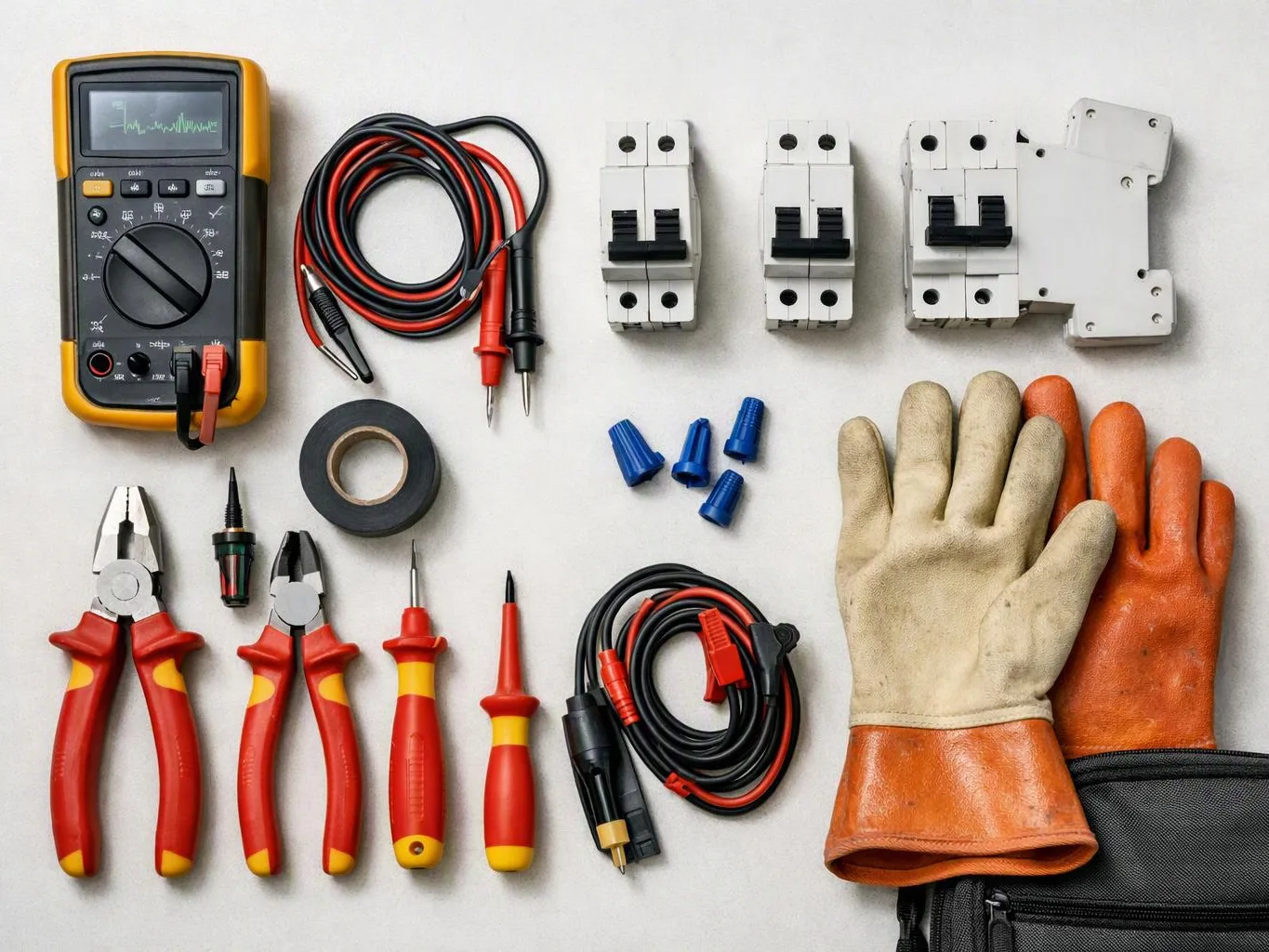
Voltage testing identifies whether power reaches the affected circuit and device. We then inspect the panel, isolate the circuit, and use continuity testing or circuit mapping to locate the fault. The test results show whether the issue involves a breaker, connection, outlet, switch, or wiring. We explain the finding before setting the repair scope.
What should be ready before electrical troubleshooting starts?
Access to the panel and affected rooms helps us begin the inspection. Please note which devices stopped working, which breakers moved, and whether you noticed heat, noise, or odor. Keep people away from sparking or hot equipment. Property owners or approved occupants should also identify any locked rooms or restricted areas.
Which warning signs make an electrical fault urgent?
A burning smell, sparking outlet, buzzing panel, or hot switch plate makes the fault urgent. Turn off the affected circuit if you can do so safely, and stop using the damaged device. We inspect the source and isolate the unsafe section before discussing repair.
When should I call the utility company for a power outage?
The utility company handles supply problems outside your property, while we inspect faults inside the property. Check whether nearby services also lost power, then tell us whether only certain rooms, outlets, or circuits are affected. We can troubleshoot the property-side equipment when the outage appears local.
Why does one outlet fail while others still work?
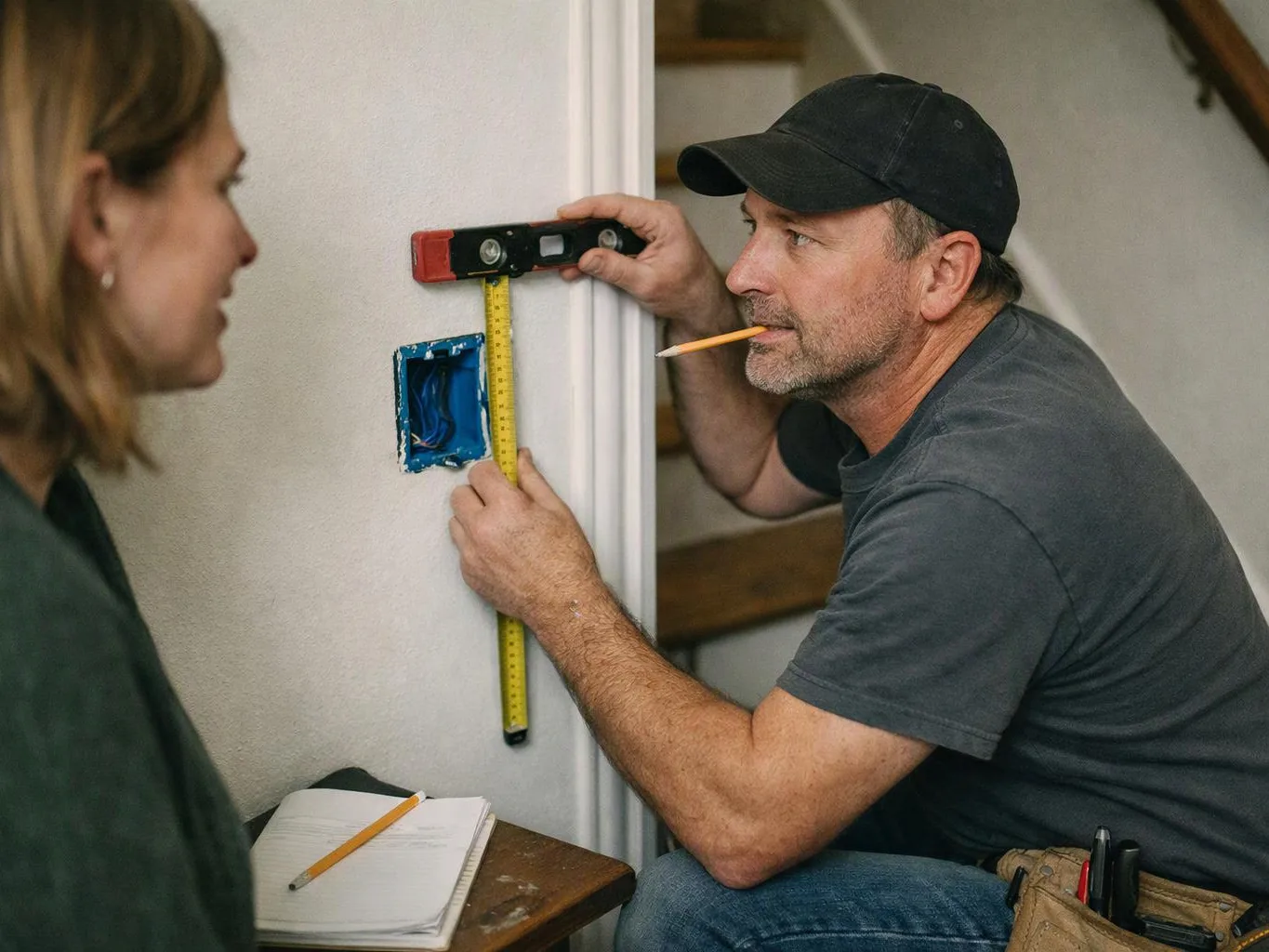
One outlet can fail because of a tripped upstream device, loose connection, damaged receptacle, or circuit fault. We test the outlet and the nearest working point to trace the supply path. Do not keep resetting a breaker or using an outlet that feels warm or shows damage.
What should a customer ask before agreeing to electrical troubleshooting?
Ask which circuit or part was tested, what fault was found, and which repair the quote covers. We explain whether the work involves a device, breaker, wiring connection, panel, or access behind a finished surface. You should also ask what testing will confirm the repair.
How is troubleshooting matched to the property before work starts?
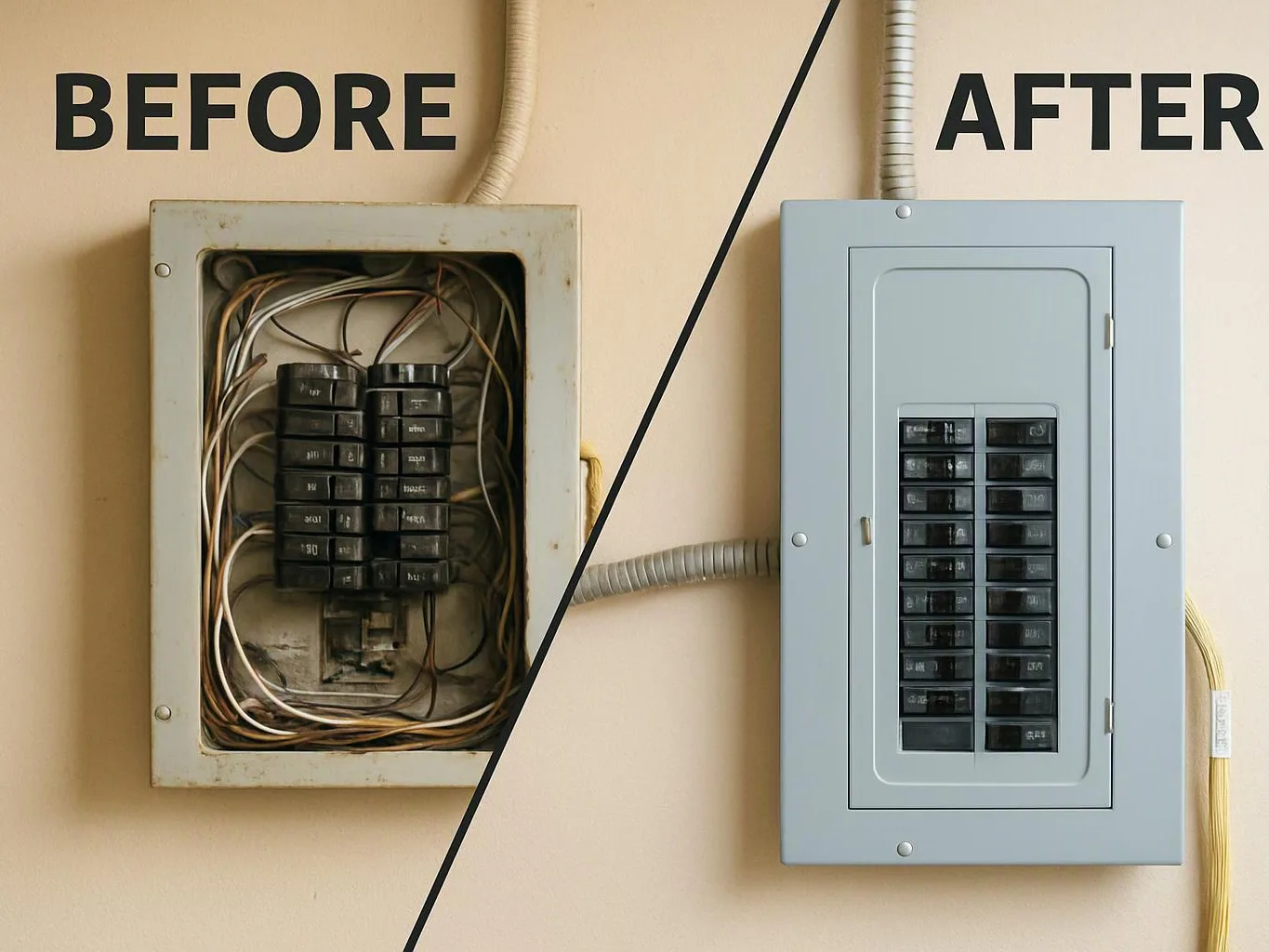
The property type, affected circuit, panel access, and visible wiring guide the inspection plan. Residential and commercial systems may have different layouts and operating needs. We start with the reported symptom, then adjust testing to the panel, circuit path, and equipment connected to it.