How do electricians identify an electrical problem?
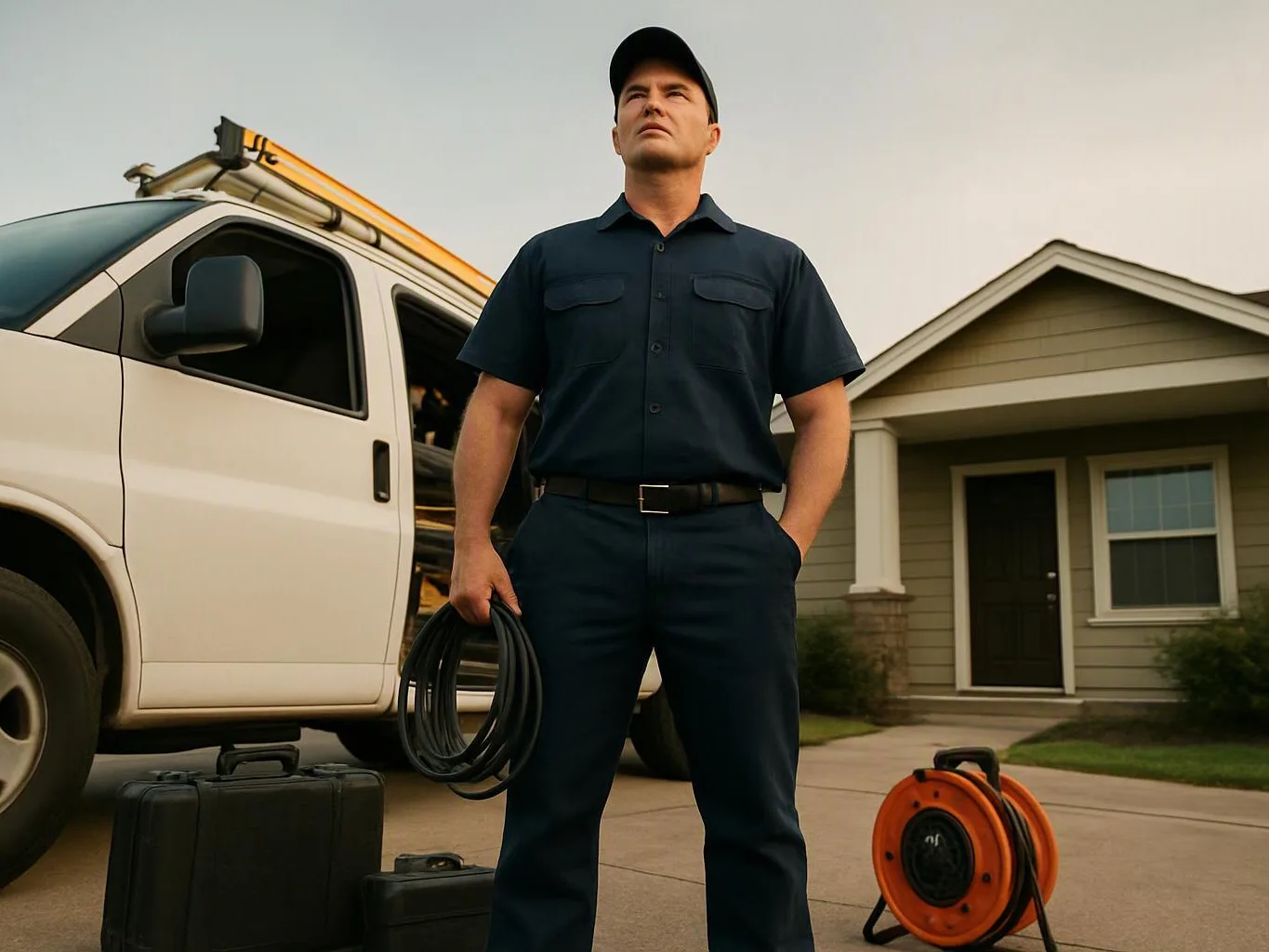
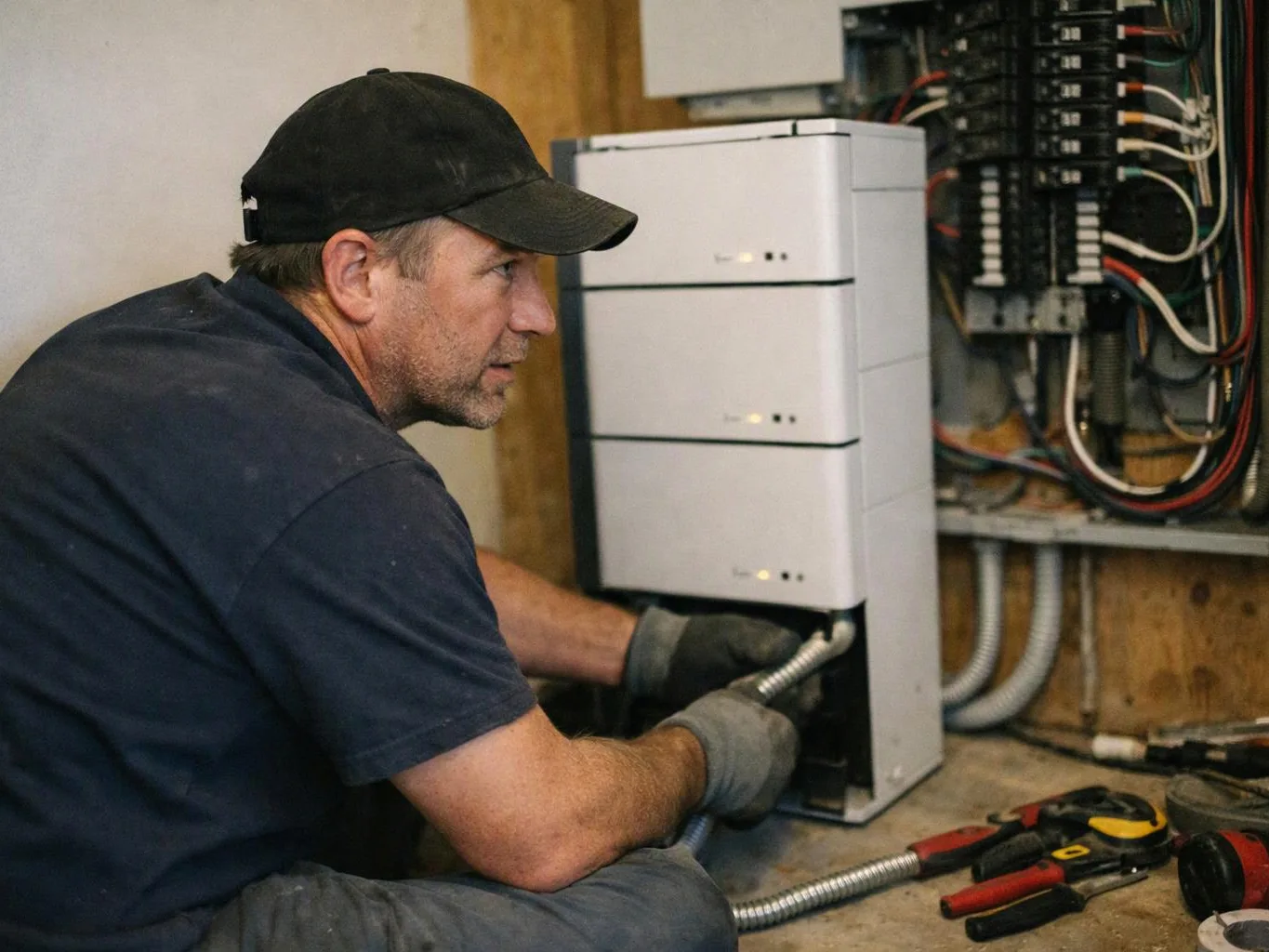
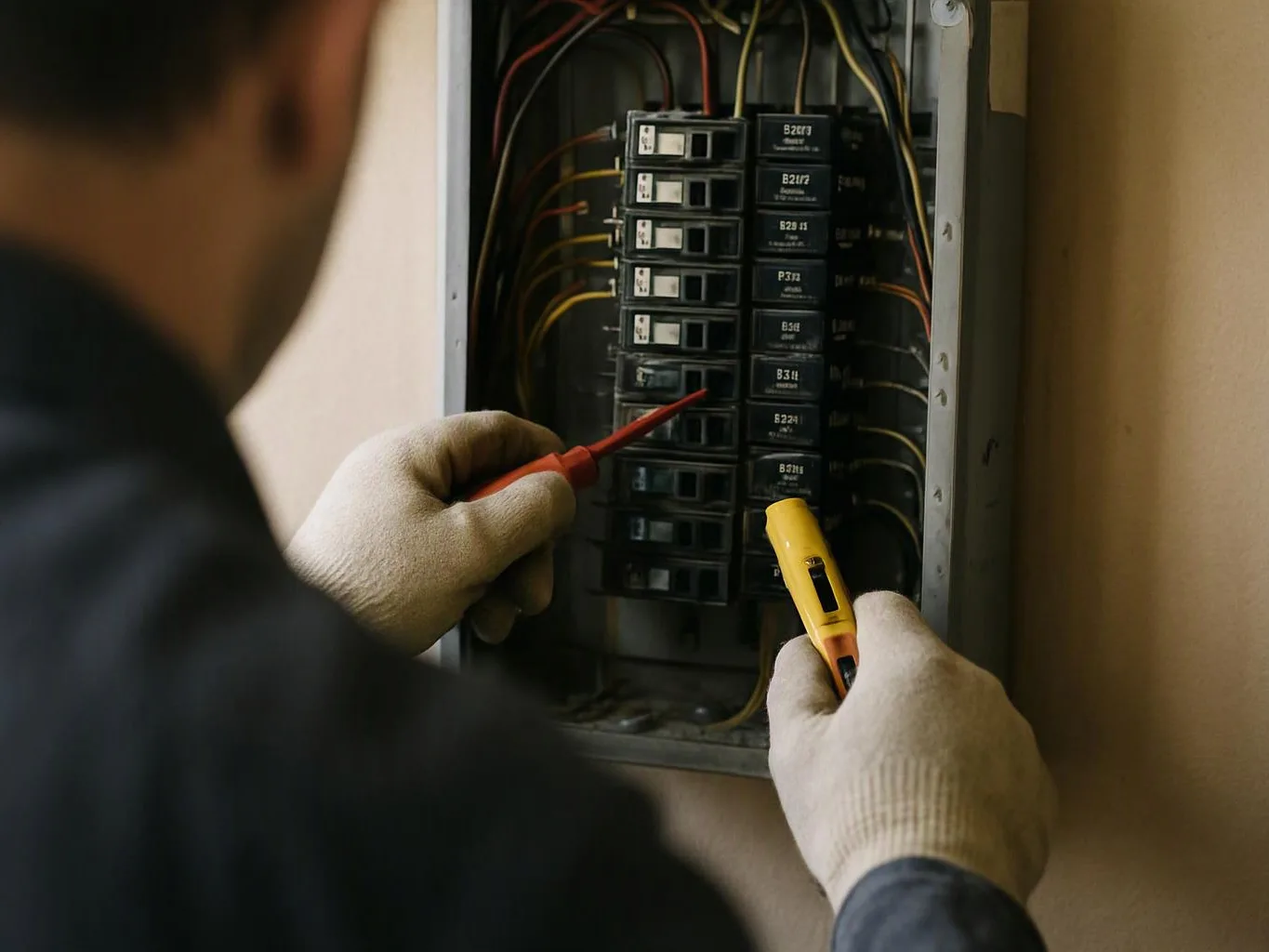
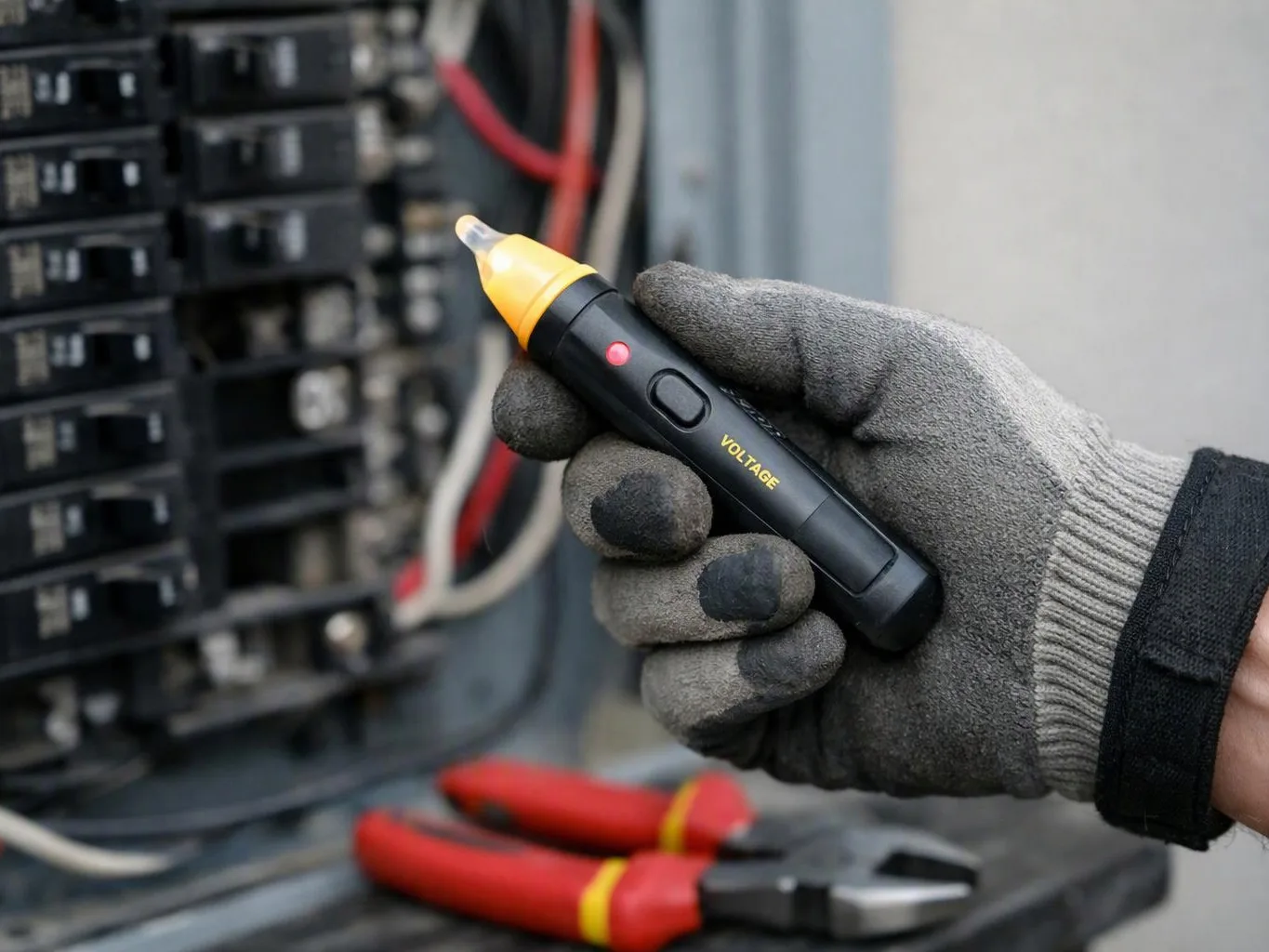
Continuity testing identifies whether a circuit path is complete, and Service Electric combines it with voltage checks and circuit tracing. We first isolate the circuit, then test breakers, outlets, switches, and wiring. Thermal scanning can show unusual heat at a panel or connection. The results point to the fault and guide the repair scope.
What should be ready before electrical troubleshooting starts?
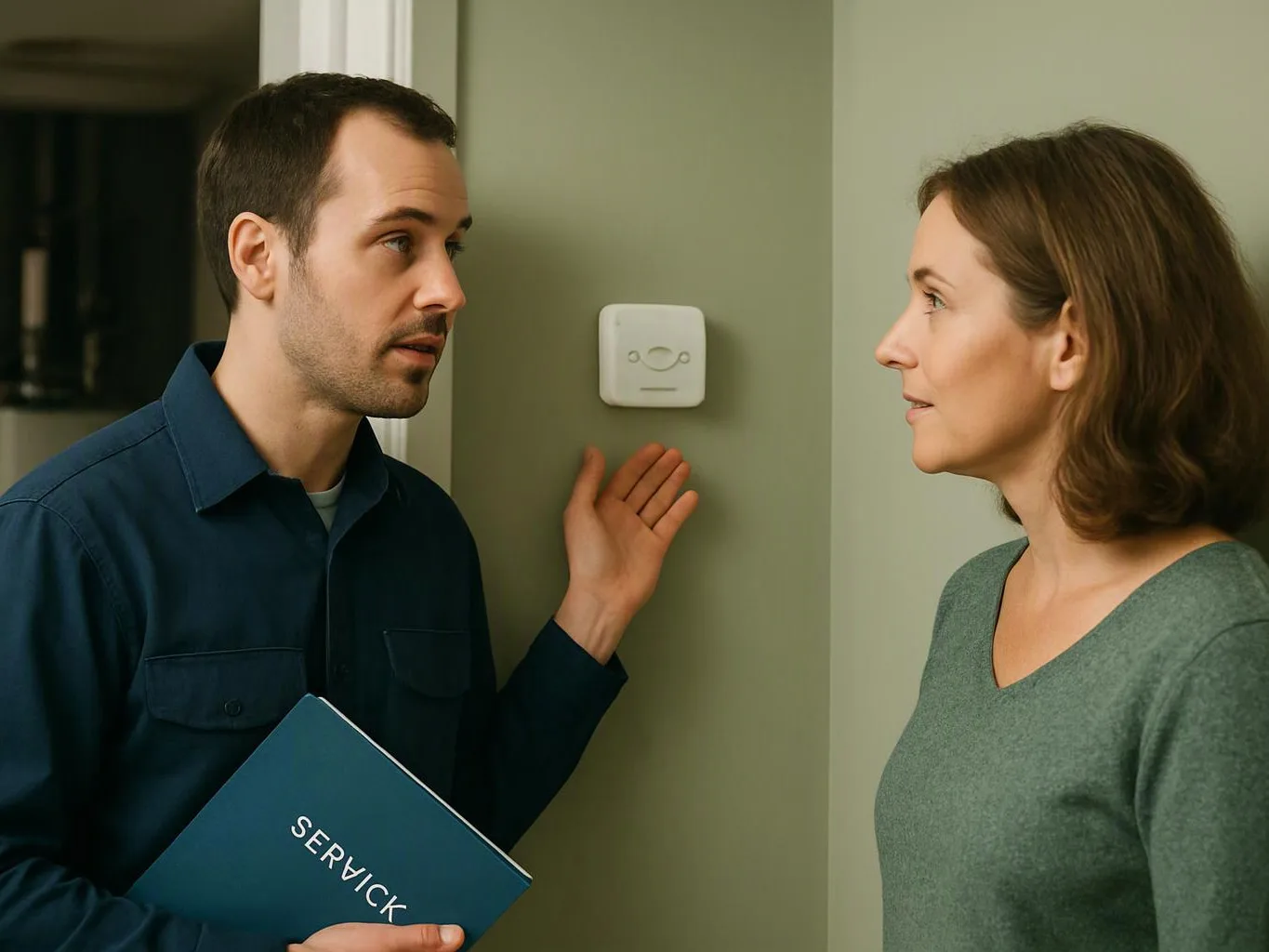
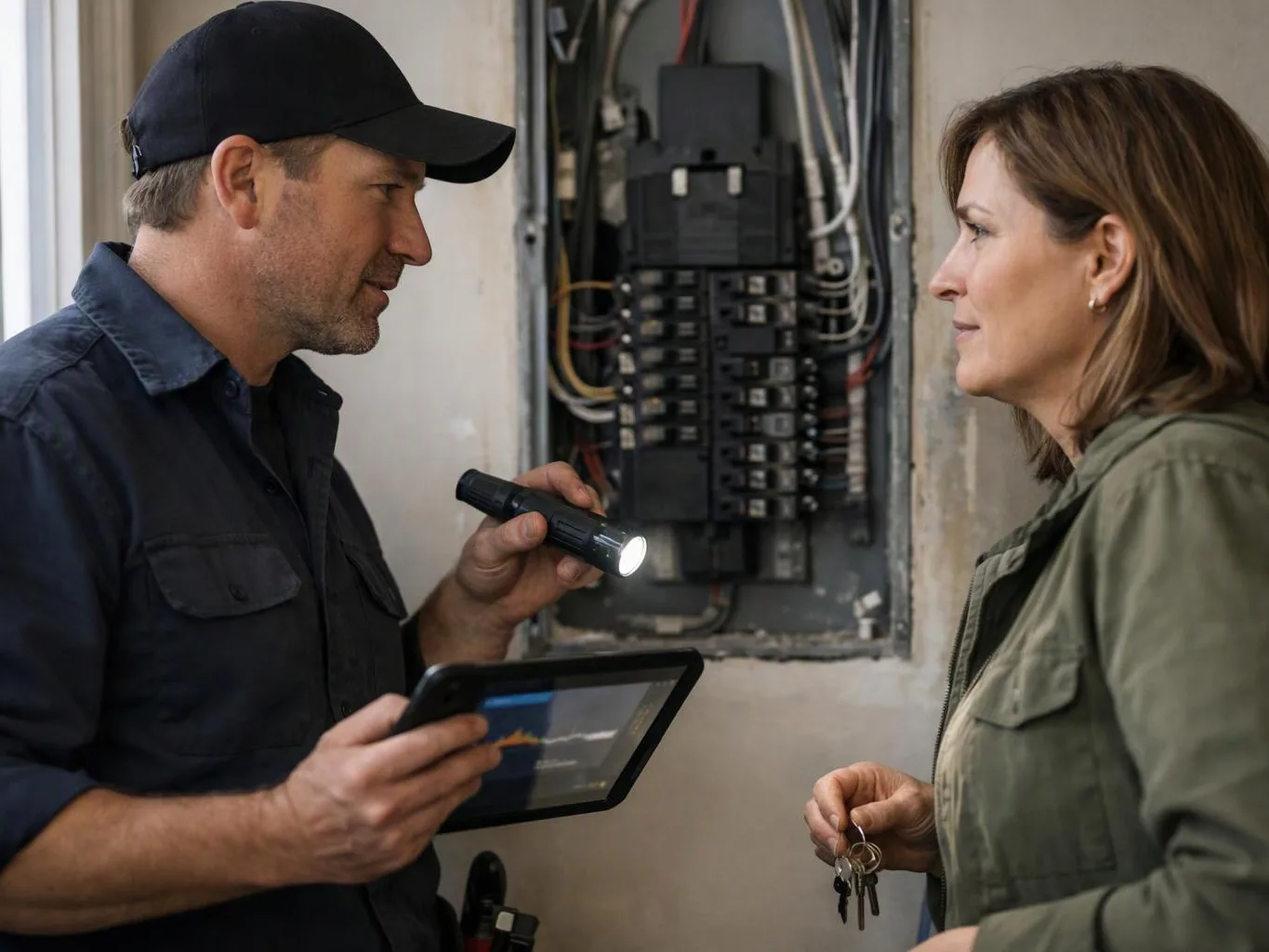
Access to the electrical panel and affected devices should be ready before testing begins. Keep rooms, equipment, outlets, and switches clear. Note when the fault happens and what was running. Customers should also share any burning smell, buzzing, warm plate, or sparking so our team can set safe priorities.
Which condition on the property changes the time for fault testing?
Limited access, unclear circuit paths, damaged wiring, and faults across several rooms can add diagnostic work. Circuit mapping becomes more important when labels are missing or breakers serve unexpected areas. We explain the scope after checking the property and affected circuit, without promising a fixed duration before diagnosis.
Why do lights flicker while other outlets still work?
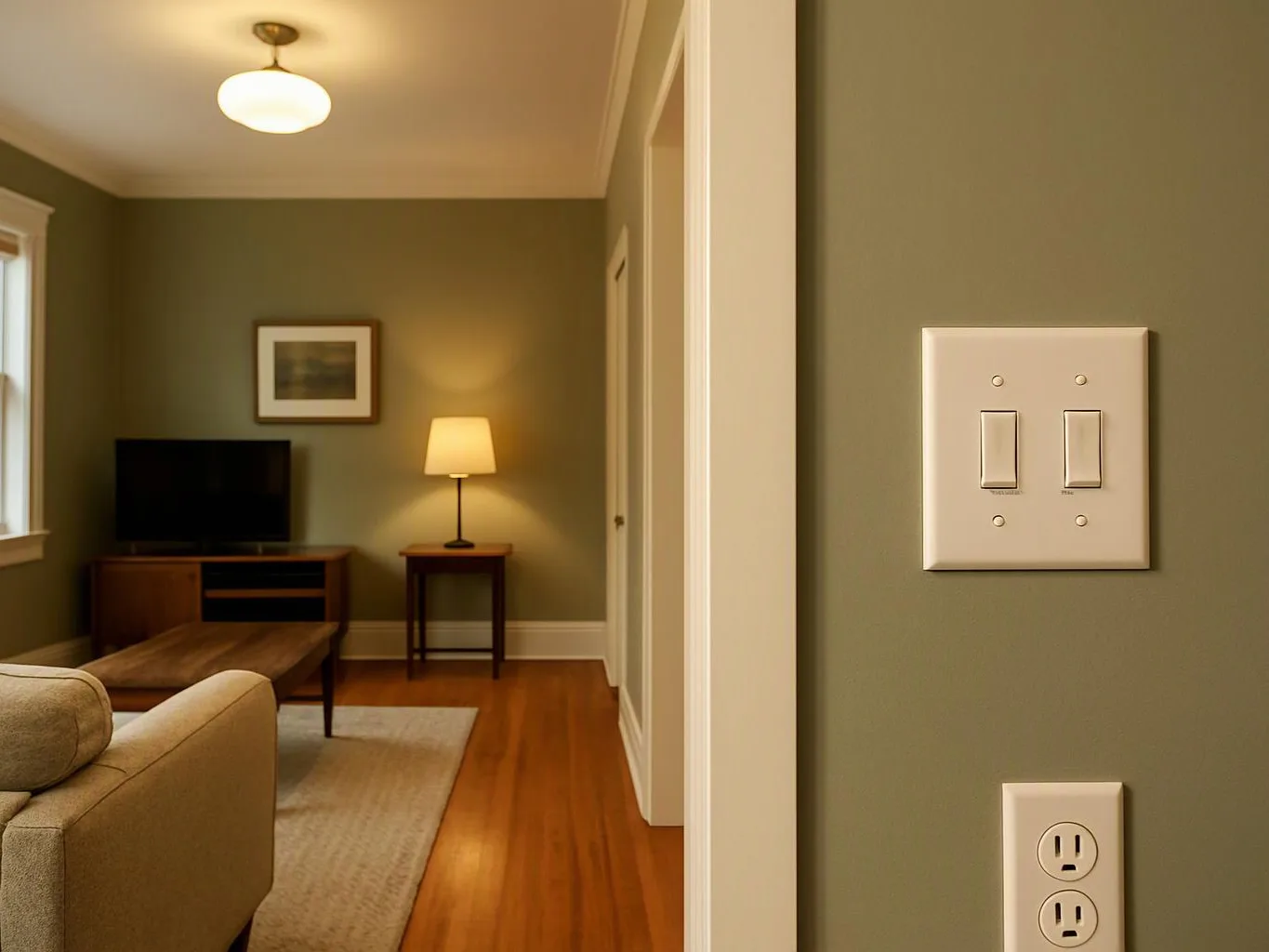
Flickering lights can result from a loose connection, failing switch, overloaded circuit, or unstable supply to one part of the system. We compare voltage at the light, switch, and panel, then inspect related connections. Stop using any fixture that smells hot, sparks, or shows a warm plate.
What makes a fault repair cost more on one property?
The fault location, circuit access, damaged parts, wiring condition, and need for related repair work drive the quote. A problem at one accessible outlet differs from a fault hidden across several connections. We diagnose the issue first and explain the recommended scope before work starts.
Should I reset a breaker that keeps tripping?
A breaker that keeps tripping should not be reset repeatedly because the circuit may have a short, overload, or damaged device. Unplug equipment if it is safe, leave the breaker off, and request electrical troubleshooting. We test the circuit and connected loads to identify the cause.
When does an electrical fault become an urgent safety issue?
An electrical fault becomes urgent when you notice burning smells, sparking, smoke, a buzzing panel, or heat at an outlet or switch. Turn off the affected circuit if you can do so safely and keep clear of damaged parts. Our 24-hour emergency electrical availability supports urgent calls.