What type of light switch should be installed?
A single pole switch suits one control location for one light. A three-way switch suits two control locations, while a dimmer or motion sensor requires compatible wiring and a matching light. Service Electric checks the circuit, box, and fixture before recommending the control.
Which part of the property decides the installation scope?
The switch box and circuit decide most of the installation scope. Box depth, conductor condition, grounding, access, and the number of control locations all matter. A damaged box or wider wiring fault can move the work beyond a simple switch replacement.
Which material changes how long the installation takes?
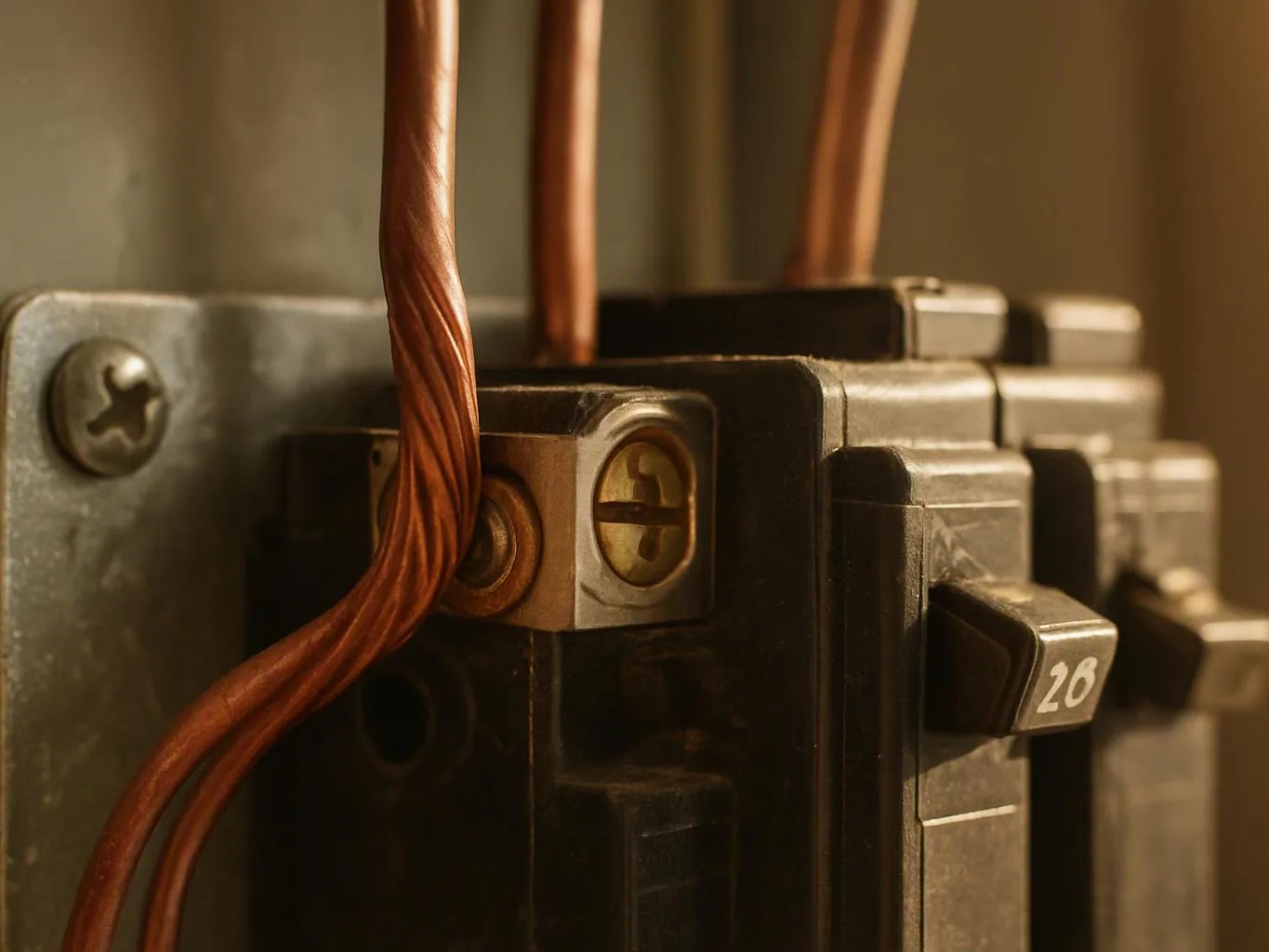
The existing wiring material can change the work needed for a switch replacement. Aluminum conductors, brittle insulation, crowded boxes, or missing grounding need closer inspection before connection. We identify the conductor type and explain any added repair scope before proceeding.
How does a switch installation visit move from the first call to the last step?
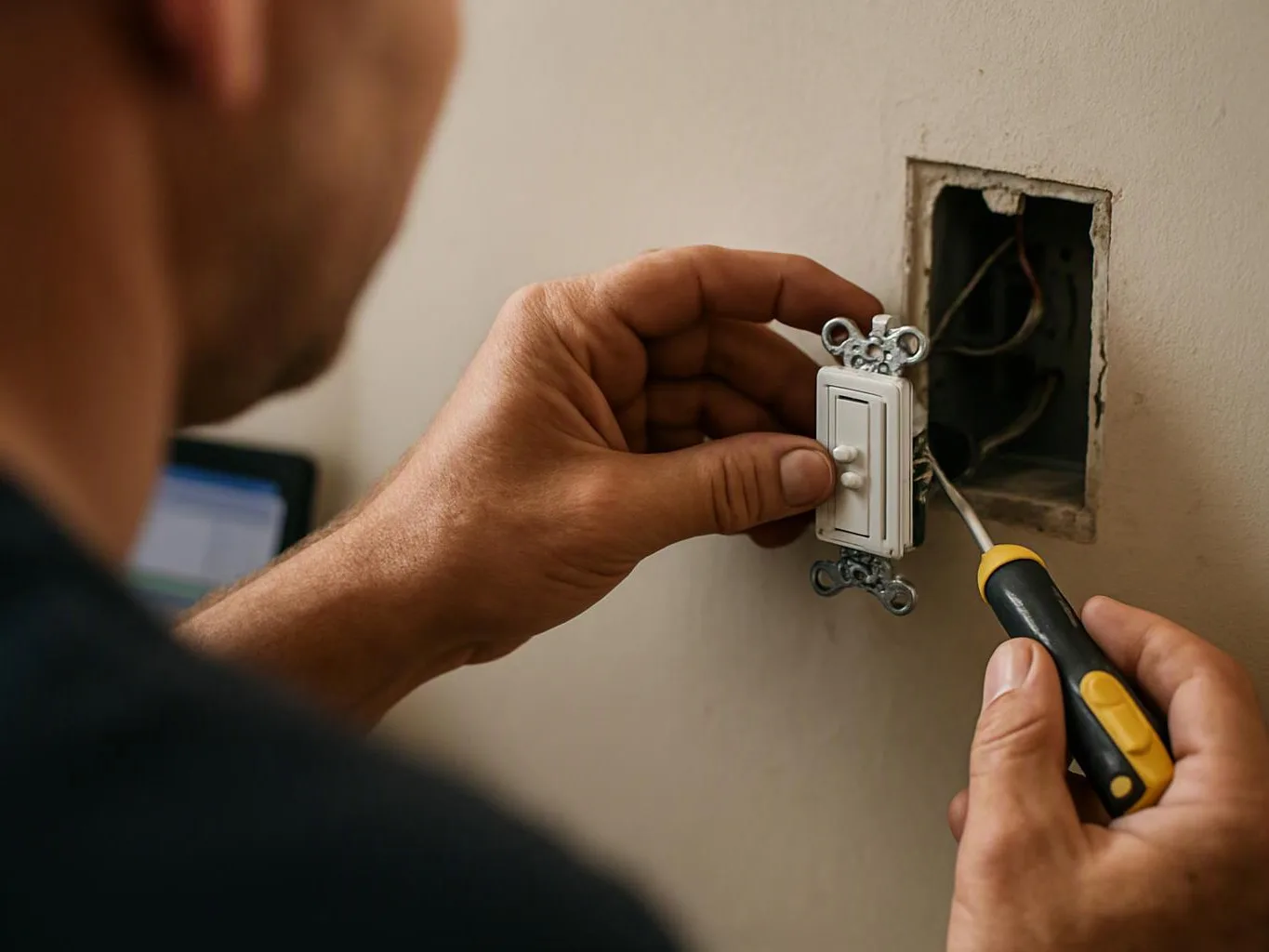
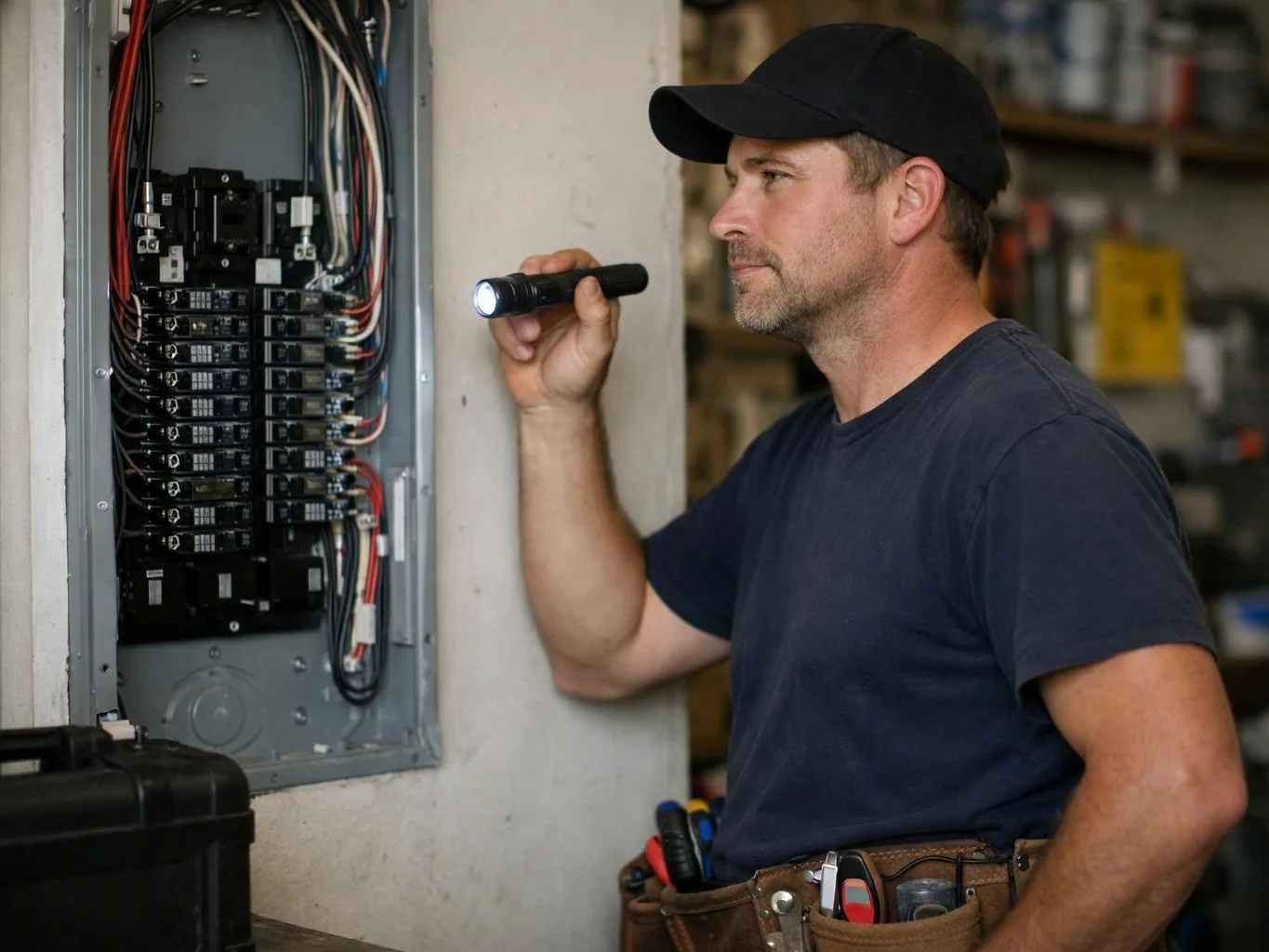
The visit moves from scope review to circuit isolation, box inspection, switch connection, and testing. We first confirm the control locations and fixture, then verify the circuit before opening the box. The final step checks the switch, light, and connected load.
When should a light switch be turned off?
A light switch should stay off when it sparks, smells burnt, feels hot, or makes a buzzing sound. These signs can indicate a loose connection or circuit problem. We can inspect the switch and wiring before the customer uses the control again.
Why might a dimmer fail after installation?
A dimmer can fail when its load, wiring, or connected light is incompatible. We check the fixture type, load, neutral needs, box space, and conductor connections before selecting the control. Flicker or buzzing after installation calls for testing instead of repeated switch replacement.
What information should I give Service Electric before the visit?
The useful details are the room, fixture type, number of control locations, and visible switch symptoms. Customers should also mention buzzing, heat, sparking, flickering, or a breaker that trips. These facts help us plan the assessment and identify urgent safety concerns.