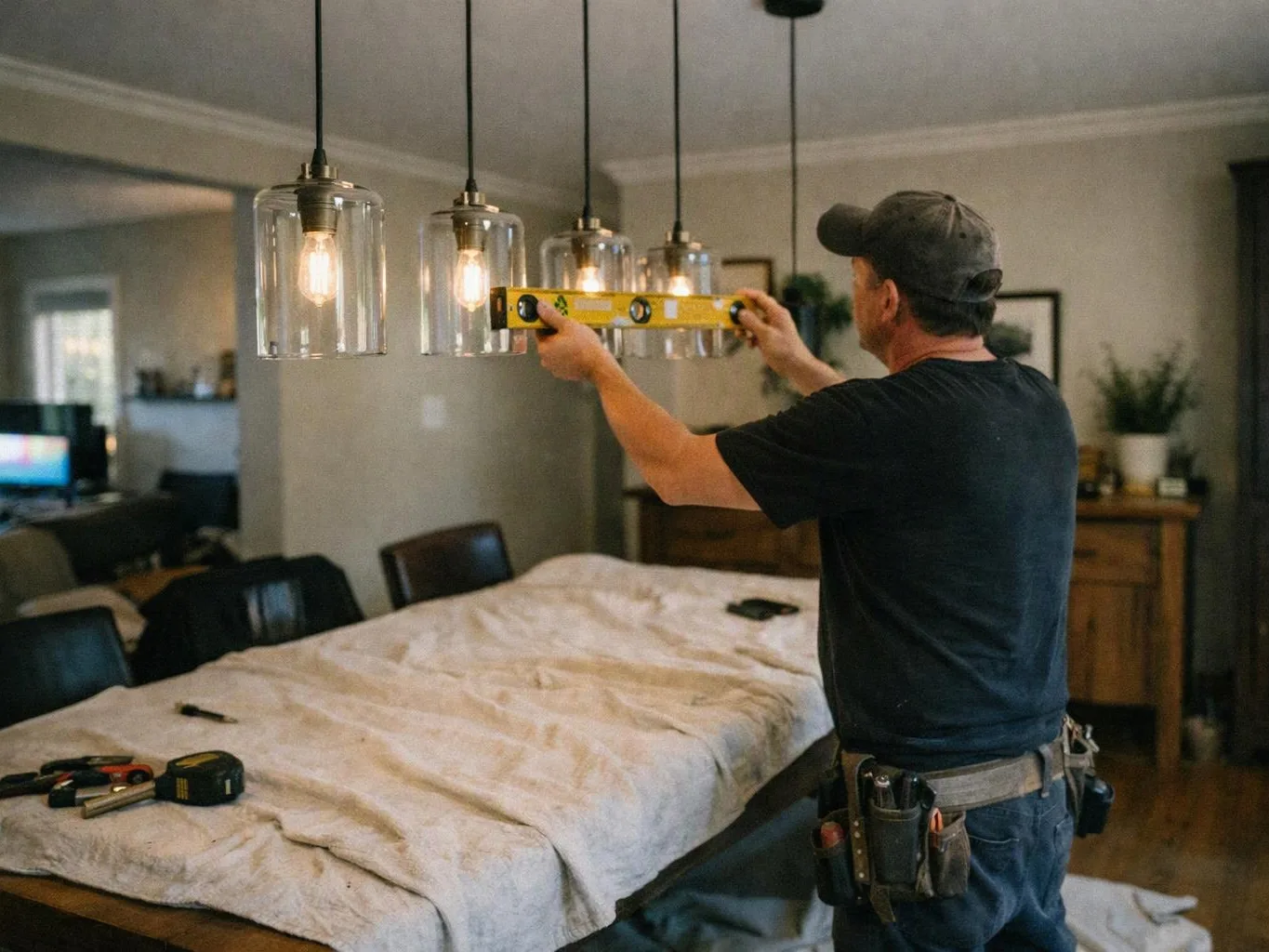
Whole-Home Rewiring: Signs, Planning, and Repair Options
Whole-home rewiring may be needed when outdated, damaged, overloaded, or unsafe wiring affects multiple circuits; Service Electric assesses the residential electrical system, explains repair or rewiring options, and plans the work around the home's condition.
Request an EstimateWhat Signs Suggest a Home May Need Whole-Home Rewiring?
Whole-home rewiring becomes more likely when multiple circuits show persistent safety or performance problems, especially when wiring damage or outdated materials affect the wider electrical system.
Outdated wiring may have brittle or damaged insulation that exposes conductors to heat and contact risks. We inspect the wiring insulation, connections, electrical panel, and branch circuits to identify whether the concern is limited or widespread.
Frequent breaker trips, flickering lights, warm outlets, or a burning smell can point to overloaded circuits or loose connections. An electrical shock, sparking, or visible damaged wiring needs prompt attention because these signs may indicate an electrical safety hazard.
We use a rewiring assessment to connect visible symptoms with the condition of the residential electrical system. The assessment helps us decide whether targeted work can address the fault or whether replacement wiring is the safer system-wide choice.
When Is Electrical Wiring Repair Enough?
Electrical wiring repair is usually appropriate when the problem is localized and the broader wiring system remains suitable for safe operation.
Localized wiring damage, a loose connection, a faulty outlet, or a defective switch may be repairable without changing every circuit. We isolate the fault, inspect related circuit breakers and conductors, and repair the affected part when the surrounding system supports safe operation.
An electrical inspection helps us determine whether the issue is isolated or connected to wider concerns. We also review circuit capacity and electrical load before recommending a repair.
Whole-Home Rewiring Compared With Targeted Wiring Repair
Whole-home rewiring addresses the wider electrical distribution system, while targeted wiring repair addresses a defined fault; the right choice depends on wiring condition, safety risk, access, and the home's electrical demands.
Project cost and timeline depend on the rewiring scope, wall access, circuit count, panel condition, grounding needs, and the amount of electrical wiring installation required. We explain these cost drivers in the project quote instead of treating every home as the same.
| Factor | Whole-Home Rewiring | Targeted Wiring Repair | Decision Guide |
|---|---|---|---|
| Cost drivers | More labor and materials because more circuits and access points are addressed. | Lower scope when the fault is limited to a defined part. | The wiring condition and work area guide the quote. |
| Project timeline | Broader planning and installation access are usually required. | A smaller work area may simplify planning. | Wall access, circuit mapping, and system condition affect the schedule. |
| Maintenance | New wiring can create a more consistent system for future service. | The repaired area is improved while older wiring may remain elsewhere. | We document the work completed and note remaining system concerns. |
| Best use case | Widespread outdated, damaged, or unsafe wiring. | A localized fault in an otherwise suitable system. | Choose based on assessment findings, not one symptom alone. |
Why Choose Whole-Home Rewiring?
Whole-home rewiring can make sense when several parts of the system need coordinated improvement. We connect the work to your home's present electrical load and future plans.
Our team can review the full scope through Whole-Home Rewiring planning. The work may also fit well with a home renovation when wall and ceiling access is already available.
Why Choose Targeted Electrical Wiring Repair?
Targeted electrical wiring repair suits a defined problem when the rest of the system remains appropriate for safe use. We focus on fault isolation before deciding how much work is needed.
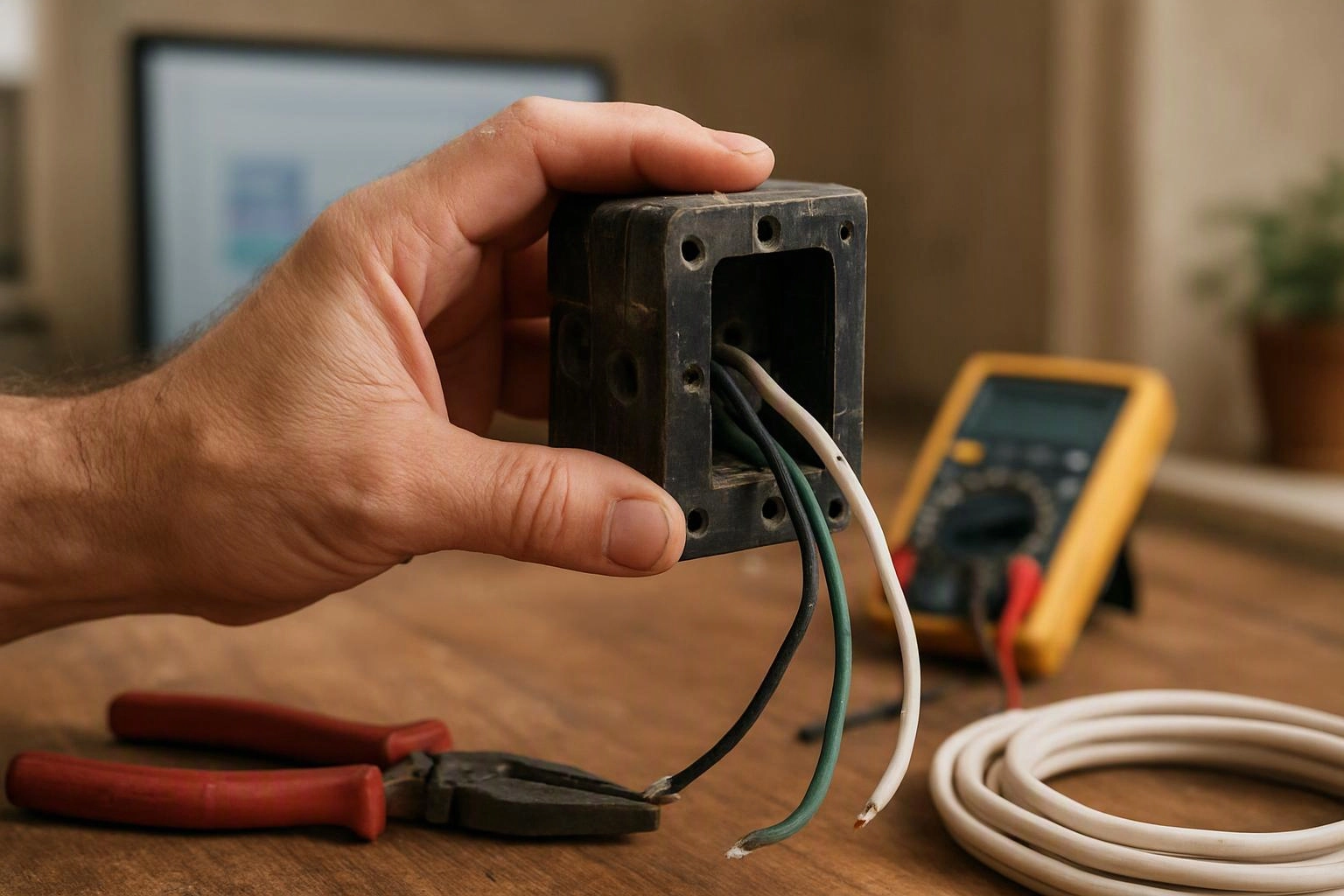
Repair may be a practical choice when an electrical inspection finds no broader pattern of damage or overload. We explain any remaining concerns so you can plan future work with clear information.
What Should Homeowners Plan Before Rewiring?
Homeowners should plan rewiring around the existing electrical condition, present and future electrical loads, fixture locations, access requirements, and the home's daily use.
We begin with a home electrical assessment and review the existing circuits, electrical panel, grounding, and electrical load. A load calculation helps us plan circuit capacity for appliances and other equipment.
Outlet placement and lighting layout should match how each room is used. We also discuss appliance circuits, switches, light fixtures, and future electrical needs before finalizing the wiring layout.
Wall and ceiling access affects how our crew can route replacement wiring and complete the work. Coordinating rewiring with a home renovation may reduce disruption when walls or ceilings are already open.
What Does an Electrical Wiring Installation Plan Include?
An electrical wiring installation plan sets out how the residential electrical system will be assessed, mapped, installed, and checked. We use the plan to keep the rewiring scope clear.
Our quote explains the planned electrical wiring installation, included access work, repair needs, and customer priorities. A panel upgrade may be included when the existing panel cannot support the planned electrical load.
Which Electrical Problems Should You Never Handle Yourself?
Homeowners should not handle exposed, overheated, sparking, water-damaged, or panel-related electrical problems; Service Electric should assess and perform work that requires electrical system access.
Exposed conductors, a burning electrical odor, an overheated outlet, or sparking can indicate an immediate electrical shock hazard. Water-damaged wiring can also remain dangerous after the visible moisture is gone.
Do not remove the electrical panel cover, alter circuit breakers, or attempt repairs on energized wiring. We assess the hazard, identify the source, and complete the needed electrical wiring repair or installation.
If you notice smoke, active sparking, or a serious shock hazard, move away from the area and contact emergency services when needed. Do not touch the affected outlet, switch, appliance, or wiring.
How Service Electric Approaches a Rewiring Project
Service Electric approaches a rewiring project with an electrical assessment, a defined rewiring scope, and a plan based on customer priorities.
We inspect the residential electrical system, map the circuits, and identify whether electrical wiring repair can address the concern. When the system needs broader work, our team develops an electrical wiring installation plan for replacement wiring, grounding, outlets, switches, lighting, and panel needs.
Our project quote explains the work included, the main cost drivers, installation access, and any related electrical panel or circuit work. We keep the discussion focused on the home's condition and the way you use each space.
Request an assessment through our contact page so we can review the electrical system and explain the appropriate repair or rewiring path.
Questions About Whole-Home Rewiring
Can old wiring cause flickering lights?
Yes, old wiring can contribute to flickering lights when connections are loose, circuits are overloaded, or wiring insulation has deteriorated. Service Electric checks the affected lighting circuit and related loads to determine whether repair or wider rewiring is appropriate.
Does a home inspection identify wiring problems?
A home inspection may identify visible wiring concerns, but a focused electrical inspection gives us a closer review of circuits, connections, the electrical panel, grounding, and electrical load. Service Electric uses that assessment to define the needed repair or rewiring scope.
Can electrical repairs be completed without rewiring the whole house?
Yes, electrical repairs can be completed without whole-home rewiring when the problem is localized and the wider system remains suitable for safe operation. We isolate the fault and explain when a targeted repair is appropriate.
What should homeowners do before electrical rewiring begins?
Homeowners should identify appliance needs, preferred outlet and lighting locations, renovation access, and future electrical plans before electrical rewiring begins. We use those priorities with the electrical assessment and circuit map to prepare the installation plan.
Can rewiring be combined with a home renovation?
Yes, rewiring can be combined with a home renovation when wall and ceiling access supports the planned electrical work. We coordinate the wiring layout, outlets, switches, lighting, and appliance circuits with the renovation scope.