Skip to content

Bidirectional Electric-Vehicle Home Backup Integration in Edna, Texas

Supported charger work starts bidirectional home backup integration in Edna. We check the vehicle, electrical system, and backup gateway before planning the work.

Licensed & InsuredWarranty AvailableSame-Day ServiceUpfront, Transparent Pricing

Quick Summary: Vehicle-to-home backup integration in Edna, Texas

Bidirectional electric-vehicle home backup integration in Edna is provided by Service Electric for homes needing vehicle-based backup power. The work includes checking a supported charger, electrical capacity, and backup gateway, with residential and commercial electrical coverage available 24 hours a day.

  • What we do: Service Electric provides bidirectional electric-vehicle home backup integration in Edna, Texas, including charger, vehicle, panel, and backup gateway checks.
  • What is included: Charger connection review, load calculation, panel assessment, backup gateway planning, grounding checks, and testing.
  • What you get: The home has a defined electrical path for vehicle backup power, with required equipment and next steps identified.

Why does my electric-vehicle backup system keep stopping in Edna, Texas?

A backup system can stop when the charger, vehicle, panel capacity, or gateway does not work together. Service Electric checks those parts and traces the power path before recommending a repair or installation step.

Scope and Service Overview for Edna

This service is for property owners who want an electric vehicle to support home backup power. The job centers on equipment fit, electrical capacity, and a safe connection between the vehicle and the home.

A standard EV charging installation only sends power to the vehicle. Bidirectional work adds a controlled path back to the property, so the panel, transfer equipment, and backup gateway need closer review.

The main buyer decision is equipment compatibility. We check whether the supported charger, compatible vehicle, and home electrical system can work together before we define the installation scope.

  • Confirm that the vehicle and charger support bidirectional power flow.
  • Review panel capacity and complete a load calculation.
  • Check the planned location for the charger and backup gateway.
  • Trace the connection between the charger, panel, and backup equipment.
  • Test the system after installation or repair.
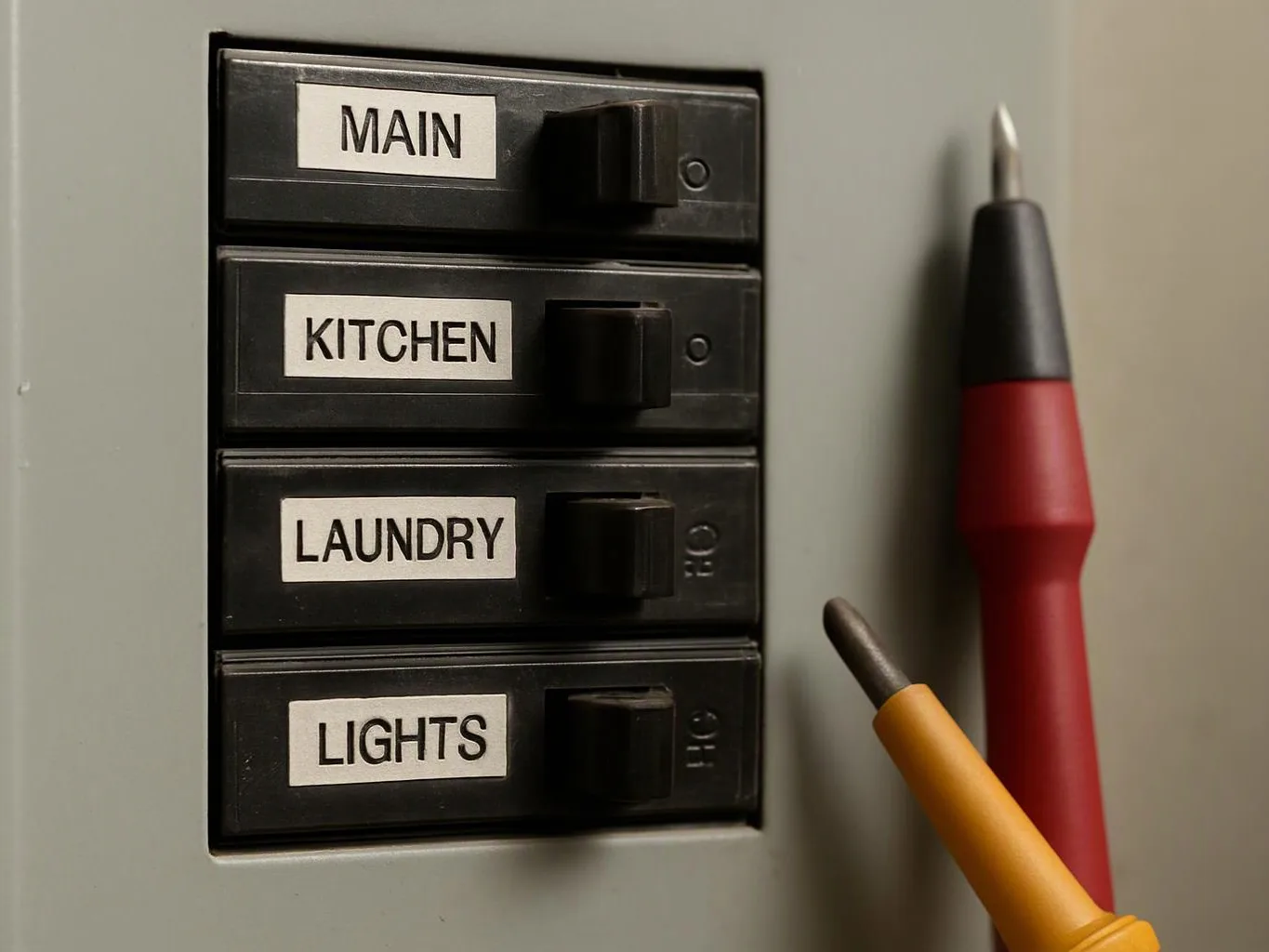
A breaker panel shows labeled switches for main, kitchen, laundry, and lights beside two test probes

Service Overview

Bidirectional electric-vehicle home backup integration is an electrical service that lets a compatible vehicle send power back to a property through approved equipment.

  • Vehicle backup integration differs from standard EV charging because power must flow from the home to the vehicle and back again.
  • Service Electric provides this work for properties in Edna and surrounding communities.

What bidirectional backup integration changes for the customer

Your electric vehicle can become part of the property's backup power plan when the equipment is compatible.

A load calculation shows whether the existing panel can support the planned setup.

Testing and verification help identify wiring or connection problems before normal use.

The work gives you a clearer choice between using the existing panel, adding a subpanel, or planning a panel upgrade.

Service Electric explains the equipment path so you know what the installation includes.

What vehicle backup integration includes for your home

Service Electric provides comprehensive Bidirectional electric-vehicle home backup integration in Edna. Here's what you get:

  • We review the supported charger and its connection to the home's electrical system.
  • We check the compatible vehicle requirements for bidirectional power flow.
  • We assess panel capacity and identify whether a panel upgrade or subpanel installation is needed.
  • We plan the connection for the backup gateway and related protection equipment.
  • We inspect grounding, circuit paths, and other electrical connections tied to the work.
  • We test the completed system and explain the next steps.
Process

How we complete vehicle backup integration

1

Review the vehicle and charger

We confirm the vehicle and charger support bidirectional power flow and note their connection requirements.

2

Check panel capacity

We inspect the electrical panel and complete a load calculation for the charger and planned backup loads.

3

Map the backup power path

We trace the circuits and plan the connection between the charger, panel, and backup gateway.

4

Set the electrical scope

We identify needed wiring, grounding work, protection, subpanel work, or panel upgrades before installation begins.

5

Test the completed connection

We test the related circuits and verify that the installed equipment follows the planned power path.

What you get from a careful vehicle backup assessment

Equipment fit before installation

The vehicle, charger, panel, and backup gateway must match. We check those links before setting the job scope, so the quote reflects the actual electrical work.

A load check for the home

Electrical capacity controls what the system can support. We review the panel and circuits, then identify any need for a service entrance upgrade, subpanel, or other electrical work.

A clear limit for this service

This service isn't the right fit when the vehicle or charger doesn't support bidirectional power. We explain that limitation before recommending related electrical work.

Vehicle backup options by electrical requirement

The equipment choice changes the electrical work needed for a vehicle-based backup setup.

Electrical optionWhat it supportsWhat we check
Standard EV chargingPower flows from the home to the vehicle.We check the charger circuit and panel capacity.
Bidirectional vehicle backupPower can flow between the vehicle and the home through compatible equipment.We check the vehicle, charger, backup gateway, circuits, grounding, and panel capacity.

The Service Electric Standard

  • Issue Assessment
  • Safety First
  • Clear Explanations
  • Suitable Materials

Questions about vehicle-based home backup power

What should be ready before electric-vehicle backup integration starts?

A supported charger, compatible vehicle, and accessible electrical panel should be ready before work starts. We also need the equipment details and the planned backup loads. Those facts help us complete the load calculation, map the circuit path, and define the required gateway connection.

Who provides bidirectional home backup integration?

Service Electric provides bidirectional home backup integration for residential and commercial electrical systems. We review the charger, vehicle, panel, grounding, and backup gateway as one connected job. Our team then explains the installation or repair scope before work proceeds.

Which property condition changes the work time?

Existing electrical capacity changes the work time because a panel upgrade or subpanel can add work to the installation. Circuit access, grounding, wiring condition, and gateway location also affect the scope. We inspect those conditions before giving a project estimate.

What should I ask before agreeing to this electrical work?

Ask whether the vehicle and charger support bidirectional power, how the panel will be checked, and where the backup gateway will connect. We explain the load calculation, circuit path, testing, and any added electrical work before you approve the scope.

How does a backup gateway connect to the home panel?

A backup gateway connects the vehicle-based power source to the home's electrical system through a controlled electrical path. We inspect the panel, map the circuits, check grounding, and verify the connection after installation. The exact path depends on the equipment and panel layout.

Why might a normal EV charger not support home backup?

A standard EV charger may only send power to the vehicle and lack equipment for reverse power flow. Bidirectional backup requires a compatible vehicle, supported charger, control equipment, and a suitable home electrical system. We check each part before recommending integration.

When is a panel upgrade part of vehicle backup integration?

A panel upgrade becomes part of the work when the existing service lacks capacity for the charger and planned backup loads. We complete a load calculation and inspect the panel first. That review shows whether the current panel, a subpanel, or a service upgrade fits the job.
Contact

Request a Free Estimate for Vehicle Backup Integration in Edna

Need bidirectional home backup integration for your vehicle? Request a free estimate, and urgent requests get priority scheduling.

A recessed ceiling light glows warmly against a textured beige surface

ZIP Codes We Serve in Edna, Texas

77957

Bidirectional electric-vehicle home backup integration in Other Areas

(361) 405-6801