Skip to content

Bidirectional Electric-Vehicle Home Backup Integration in Victoria, Texas

We connect bidirectional EV power with your home’s electrical system for backup use. Our licensed and insured electricians assess the panel, load, and transfer setup.

Licensed & InsuredWarranty AvailableSame-Day ServiceUpfront, Transparent Pricing
Bidirectional electric-vehicle home backup integration connects an EV battery to a home in Victoria for backup power. Service Electric checks the electrical system, identifies the loads that matter, and plans the connection around safe isolation and testing. The work suits homeowners who want an EV to support selected home circuits during an outage. We also serve commercial properties that need a clear plan for vehicle-based backup power.

What EV backup integration changes at home

Selected circuits have a planned path to stored EV power.

The load plan separates essential circuits from nonessential demand.

Testing confirms the transfer and isolation controls before normal use.

What Bidirectional electric-vehicle home backup integration Covers

Bidirectional electric-vehicle home backup integration is an electrical system that sends stored EV power to selected building loads.
  • Bidirectional EV backup differs from standard EV charging because power flows from the vehicle back into the building.
  • The service requires a planned connection between the vehicle, charging equipment, electrical panel, and protected circuits.
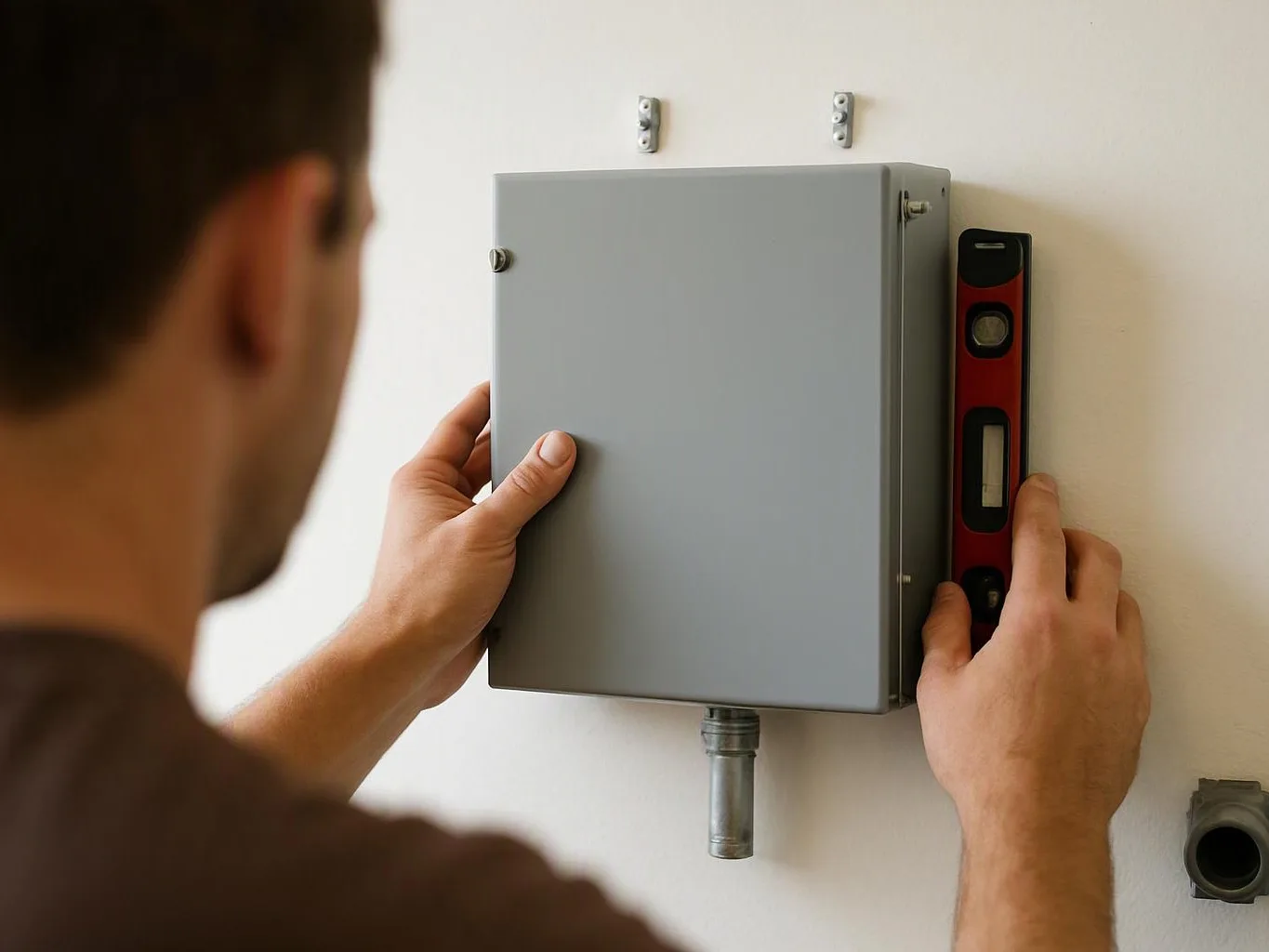
A man holds a wall-mounted gray electrical box while checking its level with a red spirit level
About

How EV backup power connects to selected circuits

This service links a bidirectional EV charger or related control equipment with selected building circuits. The goal is controlled power flow, not a direct connection from the vehicle to household wiring. We start with the electrical panel and the loads you want supported. A load calculation helps us judge the available capacity, while circuit tracing shows where those loads connect. We then plan the transfer and isolation points so utility power and vehicle power remain controlled. The project scope can change with panel capacity, wiring condition, grounding, equipment compatibility, and the number of protected circuits. We explain those factors before recommending the work. Free estimates are available. Our view is straightforward: the load plan matters more than the vehicle alone. A compatible EV cannot provide useful home backup if the panel, controls, or protected circuits are not planned together.

Process

Steps for connecting an EV to home backup circuits

1

Review the EV and building system

We identify the vehicle, charging equipment, service panel, and circuits that could take backup power.

2

Complete the load calculation

We measure expected demand and compare it with available panel capacity before selecting protected loads.

3

Map the backup circuit path

Circuit tracing identifies the wiring route and shows where transfer and isolation controls belong.

4

Install the planned connection

We install suitable electrical parts and connect the bidirectional equipment to the approved backup path.

5

Test transfer and power flow

We test isolation, transfer controls, grounding, and selected circuits before explaining the system to you.

What to prepare before EV home backup work

Gathering system details helps us assess the vehicle, panel, and backup goals before the visit.

  • Vehicle and charger details: Have the EV model and bidirectional charging equipment information available.
  • Backup circuit priorities: List the circuits you want supported, such as refrigeration, lighting, or selected outlets.
  • Panel access: Keep the electrical panel and planned equipment locations accessible for inspection.
  • Recent electrical changes: Share details about panel upgrades, generator work, or new circuits connected to the property.

The Service Electric Standard

Issue Assessment

We assess the EV, panel, load demand, and protected circuits before recommending a backup connection.

Safety First

We isolate power sources, check grounding, and test transfer controls before operating vehicle backup power.

Clear Explanations

We explain the selected circuits, control points, operating limits, and test results before handing over the system.

Questions about EV-powered home backup

Who installs bidirectional EV home backup connections?

Service Electric installs bidirectional EV home backup connections for residential and commercial properties. We assess the EV equipment, panel capacity, protected circuits, and isolation controls before planning the work. The final check covers power flow, grounding, transfer operation, and circuit performance.

What makes this different from standard EV charging?

Bidirectional charging sends power from the EV battery back to selected building circuits. Standard charging sends power only into the vehicle. We plan the panel connection, protected loads, and isolation controls so vehicle power does not mix with utility power in an uncontrolled way.

What changes the cost of an EV home backup project?

Project cost depends on panel capacity, wiring condition, equipment compatibility, protected circuit count, and the control work required. We assess those parts before recommending repairs or installation. Free estimates are available, and the estimate reflects the actual electrical scope rather than the vehicle alone.

Can every EV provide backup power to a house?

No, an EV needs compatible bidirectional equipment and a planned building connection for home backup. We review the vehicle and charger details, then check the panel and protected circuits. If the system is not compatible, we explain the electrical limitation before work begins.

What should I do if backup power stops during an outage?

Turn off unnecessary loads and stop using the backup system if equipment smells hot, buzzes, or shows a protection warning. We inspect the panel, controls, wiring, and connected demand to find the cause. Do not open energized equipment or repeatedly reset a warning without an electrical assessment.

Does the service include circuit testing?

Yes, our process includes testing the selected backup circuits and the transfer path. We check circuit operation, isolation, grounding, and power flow after the connection work. We also explain which loads are included so you understand the system’s planned limits.

Also Offering Bidirectional electric-vehicle home backup integration

Contact

Request an Estimate for EV Home Backup Integration

Tell Service Electric about your EV, panel, and backup goals for an estimate, and urgent requests get priority scheduling.
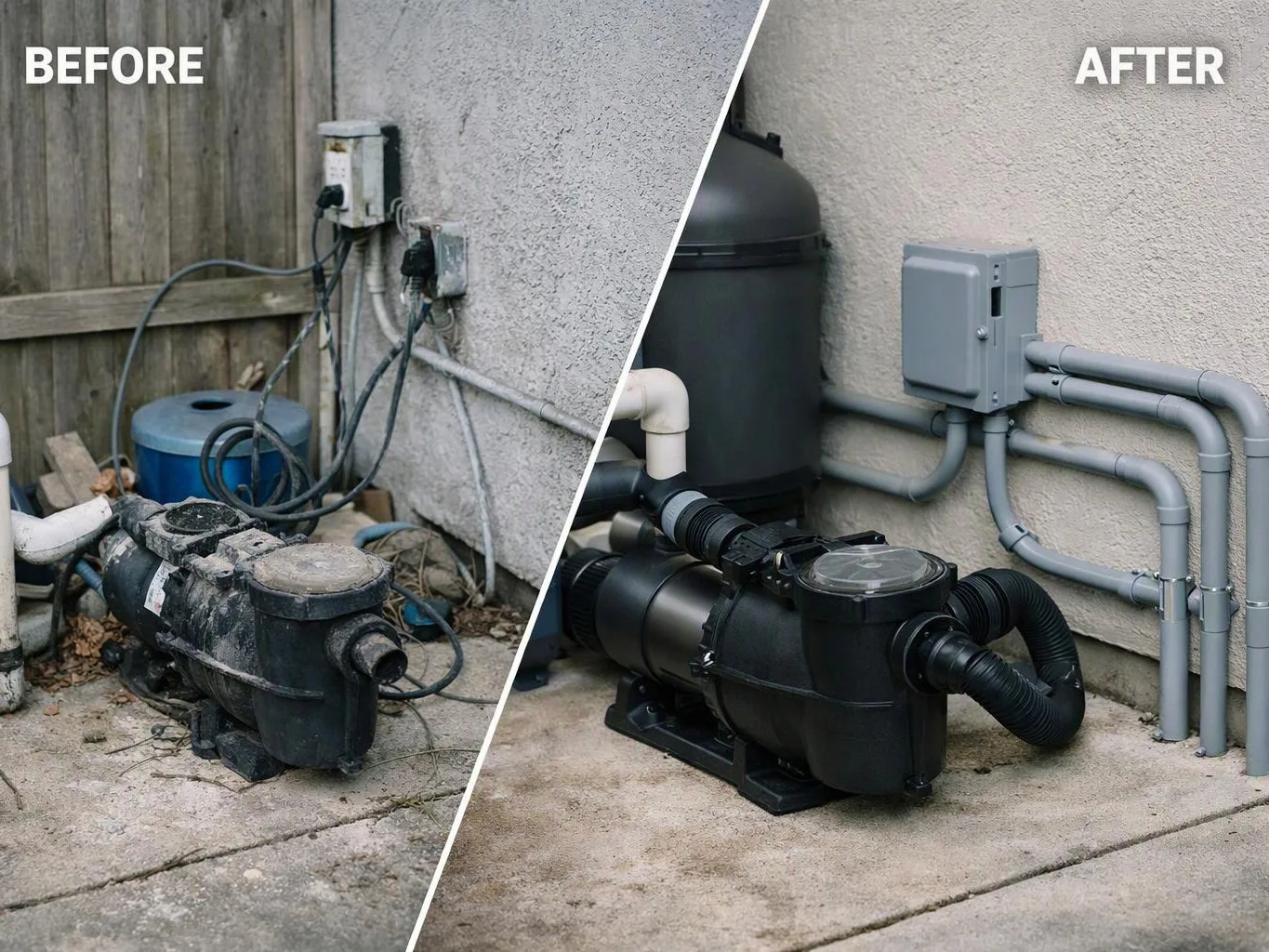
A split before-and-after view shows a dirty pool pump area replaced with neat gray piping and equipment
Scenarios

When Customers Call Us About Bidirectional electric-vehicle home backup integration

1

Planning Backup Before EV Delivery

An EV owner may want home backup ready before the vehicle arrives. The key issue is matching the planned charging equipment with the panel and the circuits that need power. We review the vehicle details, map the load path, and identify the electrical work required. The practical next step is to gather the charger information and list the circuits you want supported.

2

Backup Power Stops Under Load

A system may start correctly but stop when several household loads turn on. That points to a load, transfer, or control issue that needs testing at the panel and backup equipment. We isolate the power sources, trace the protected circuits, and check the connected demand. Tell us which loads were running when the system stopped.

3

Choosing Circuits For EV Backup

A homeowner may want every circuit backed up, but the panel and vehicle system still need a defined load plan. Refrigeration, lighting, and selected outlets may have different priorities than heating or large appliances. We review those choices with you, then map the protected circuits and explain what the system can support.
Our Other Services

Standalone home battery critical-load backup installationA standalone battery can keep selected home circuits running when grid power fails. We install battery storage, critical-load wiring and automatic controls for essentials such as refrigeration, internet equipment and medical devices.
Virtual-power-plant-ready home battery interconnectionHome batteries need the right interconnection before joining a future virtual power plant program. We connect storage to the service equipment, document the system and prepare controls for utility-approved energy management.
Emergency Electrical RepairSudden sparks, burning smells or a dead circuit need prompt attention before damage spreads. We locate the fault, isolate unsafe wiring and restore power to the affected lights, outlets or appliances.
Electrical TroubleshootingFlickering lights and unexplained outages make your property difficult to use. We test circuits, switches, outlets and connections to find the fault, then recommend a clear repair that restores dependable power.
Electrical Panel UpgradeAn outdated fuse box or crowded breaker panel can limit safer electrical use. We install a modern load center with suitable breakers and labelled circuits for appliances, lighting and future improvements.
Circuit Breaker RepairA breaker that trips repeatedly may signal an overloaded circuit, short or failing component. We test the circuit, inspect its connections and repair the cause instead of simply resetting the switch.
(361) 405-6801