Skip to content

Bidirectional Electric-Vehicle Home Backup Integration in Inez, Texas

Ground fault protection needs replacement when a device fails, but adjustment may resolve a setting issue in Inez. We check the protection path before backup operation.

Licensed & InsuredWarranty AvailableSame-Day ServiceUpfront, Transparent Pricing

Quick Summary: Bidirectional Vehicle Backup Integration in Inez, Texas

Bidirectional electric-vehicle home backup integration in Inez is provided by Service Electric for home systems that send power both ways. The work covers ground fault protection, island detection, disconnect equipment, and testing, with service available 24 hours a day.

  • What we do: Service Electric provides bidirectional electric-vehicle home backup integration in Inez, Texas, including protection checks, control review, and system testing.
  • What is included: Ground fault protection review, island detection checks, anti-islanding control review, disconnect equipment inspection, and backup system testing.
  • What you get: The vehicle backup system transfers power safely and disconnects from the utility when required.

Why does ground fault protection keep stopping my vehicle backup system?

Ground fault protection may stop vehicle backup operation when it detects current leaving the intended circuit path. Service Electric checks wiring, connections, settings, and disconnect equipment before restoring operation.
Bidirectional Vehicle Backup Integration for Inez Homes

Bidirectional electric-vehicle home backup integration links an EV, charging equipment, a home electrical panel, and utility disconnect equipment. The system needs a clear path for charging and discharging, plus controls that stop power from reaching the utility during an outage.

Customers need this service when a backup system trips, fails a protection check, or will not support selected home circuits. We inspect the connection points and decide whether the job needs a repair, a control adjustment, or replacement equipment.

The work is not the same as installing a basic wall charger. The buyer must confirm that the vehicle, charging equipment, panel capacity, and backup controls work together before choosing the installation path.

  • Confirm whether the vehicle supports bidirectional power flow.
  • Inspect the EV charging connection and home panel.
  • Check island detection and anti-islanding controls.
  • Review disconnect equipment and circuit connections.
  • Test backup transfer and return to normal utility power.
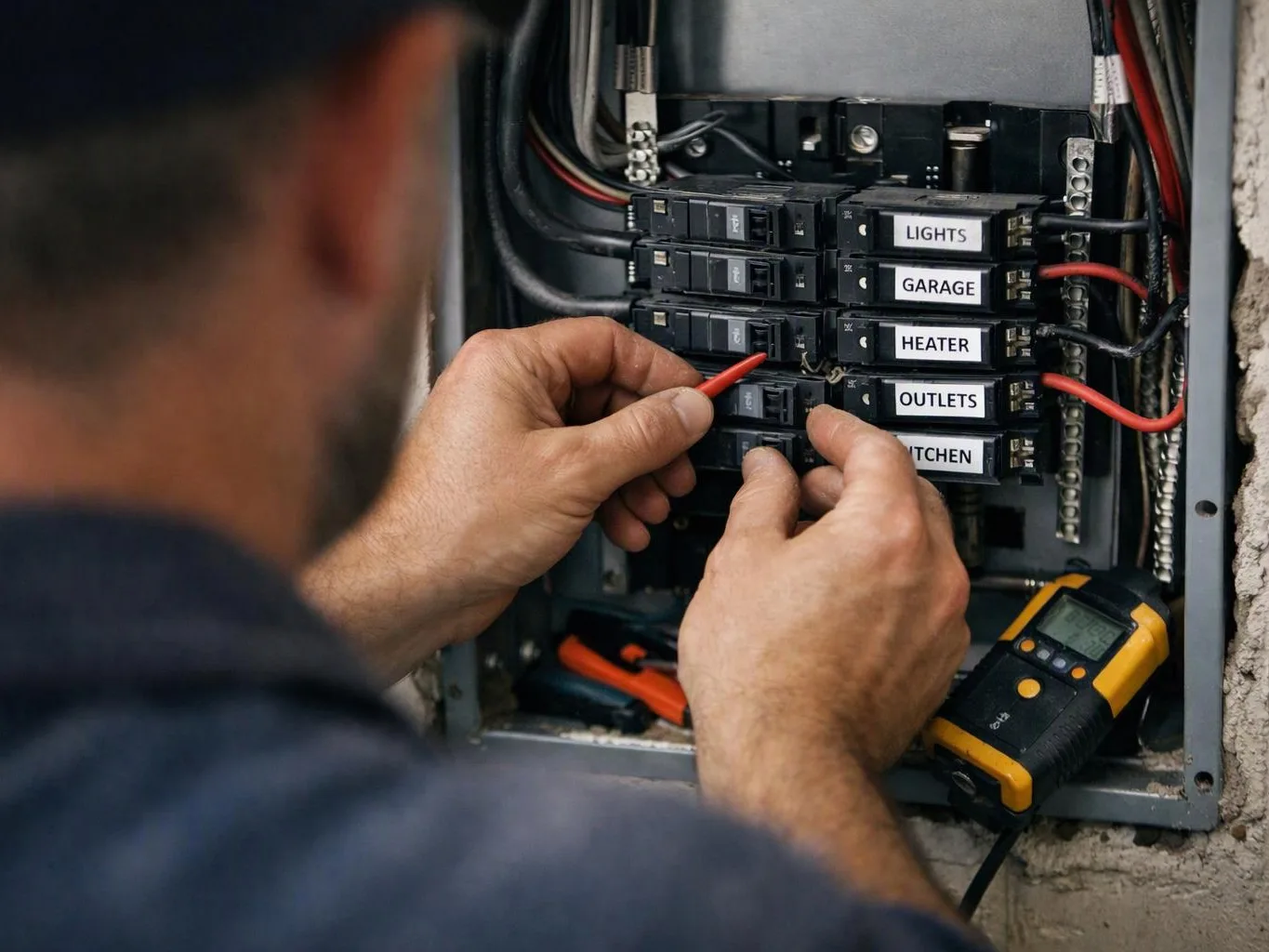
A worker adjusts wires in an open electrical breaker panel with labeled switches and a meter on the side

Service Overview

Bidirectional electric-vehicle home backup integration is an electrical system that lets an electric vehicle supply power to selected home circuits.

  • Unlike a standard EV charging installation, bidirectional backup also manages power flowing from the vehicle into the home.
  • Service Electric provides this work in Inez and surrounding communities.

A client scenario this service addresses

A homeowner may see the vehicle charge normally but lose backup power when the home tries to use the vehicle. We check the transfer path, island detection, control settings, and disconnect equipment. If the fault sits in the panel or wiring, we explain the repair scope before testing the system again.

How We Approach Vehicle Backup Protection

We trace the protection path

Our team checks the EV connection, panel, controls, and disconnect equipment together. Customers get a work decision based on the full circuit path, not one warning alone.

We separate faults from settings

A shutdown may come from damaged wiring, a failed device, or a control setting. We test each likely cause before selecting repair or replacement work.

We know when backup integration is not the right job

A standard EV charger, a utility outage outside the property, or a vehicle without bidirectional support needs a different service. We identify that limit before work proceeds.

Process

How We Check and Set Up Vehicle Backup

1

Review the vehicle and charging equipment

We confirm the vehicle and charging equipment support bidirectional power flow, then review the reported warning or operating issue.

2

Trace the home backup circuit

Our team follows the connection from the charging equipment to the panel, selected circuits, and disconnect equipment.

3

Test island detection controls

We check island detection and anti-islanding controls to confirm that utility separation works as intended.

4

Inspect connections and protection devices

We examine wiring, terminals, settings, and protection devices for damage, poor connections, or an adjustment need.

5

Verify backup transfer

We test the backup sequence and the return to utility power after the repair, adjustment, or installation work.

What Vehicle-to-Home Backup Work Includes

Service Electric provides comprehensive Bidirectional electric-vehicle home backup integration in Inez. Here's what you get:

  • We inspect the EV charging connection and the home electrical panel.
  • We check the path between the vehicle, backup equipment, and selected circuits.
  • We review island detection and anti-islanding controls for safe utility separation.
  • We inspect disconnect equipment and related wiring.
  • We test system operation after repair, adjustment, or installation work.
  • We explain the condition found and the next work decision in plain language.

What Safer Vehicle Backup Changes at Home

The home has a controlled path for power from the vehicle.

Selected circuits can receive backup power when the system supports them.

Island detection helps separate the home from utility power during an outage.

A tested disconnect path reduces confusion during backup operation.

Clear diagnosis helps you choose adjustment, repair, or replacement work.

Vehicle Charging and Bidirectional Home Backup

These two electrical services differ in how power moves and how the home separates from utility power.

Service typePower directionProtection focus
Standard EV charging installationUtility power moves to the vehicleCharging circuit and equipment protection
Bidirectional home backup integrationPower moves between the vehicle and selected home circuitsIsland detection, anti-islanding controls, and disconnect equipment

The Service Electric Standard

  • Issue Assessment
  • Safety First
  • Clear Explanations
  • Suitable Materials

Questions About Vehicle-to-Home Backup Protection

How is a bidirectional vehicle backup system protected?

Ground fault protection, island detection, anti-islanding controls, and disconnect equipment protect a bidirectional vehicle backup system. Service Electric checks these parts together so the vehicle cannot feed utility lines during an outage. We also inspect the home panel and connection wiring. A failed device may need replacement, while a control issue may need adjustment.

What tells me whether vehicle backup fits my property?

Vehicle backup fits when the vehicle and charging equipment support bidirectional power and the home has a workable connection path. We check the panel, selected circuits, disconnect equipment, and control system. Customers should identify the loads they want backed up before requesting an assessment. A standard EV charger alone does not establish backup capability.

Which part of the property decides the backup scope?

The electrical panel and the selected backup circuits usually decide the connection scope. We inspect panel capacity, circuit routing, disconnect placement, and access to the charging equipment. Customers who want more circuits supported may need a different electrical layout. We explain the practical limit after tracing the existing system.

When should a failed backup test lead to service?

A failed backup test needs service when the system will not transfer, repeatedly shuts down, or shows a protection warning. Customers should stop repeated reset attempts and note the warning or fault message. We test the vehicle connection, panel, controls, and disconnect equipment. A burning smell or sparking connection needs urgent electrical attention.

Why does the vehicle charge but not power the house?

Charging and home backup use different control paths, so normal charging does not prove that vehicle-to-home power works. We check bidirectional settings, transfer controls, island detection, and the home circuit connection. The vehicle may also lack the required backup function. We confirm the equipment path before recommending electrical changes.

Which material changes the backup installation scope?

The existing wiring and panel equipment can change the backup installation scope. We check conductor condition, terminal connections, panel space, grounding, and disconnect equipment before work begins. Older or damaged wiring may need correction before the system can be tested. The assessment identifies those conditions without assuming a replacement is needed.

What does a backup system inspection check first?

A backup system inspection starts with the vehicle connection, home panel, and reported fault. We then trace the circuit path and check island detection, anti-islanding controls, and disconnect equipment. Customers receive a clear explanation of the fault and the work decision. The inspection does not assume that every shutdown needs new equipment.
Contact

Request a Vehicle Backup Integration Quote in Inez

Ask Service Electric about bidirectional electric-vehicle home backup integration and request a quote, urgent requests get priority scheduling.

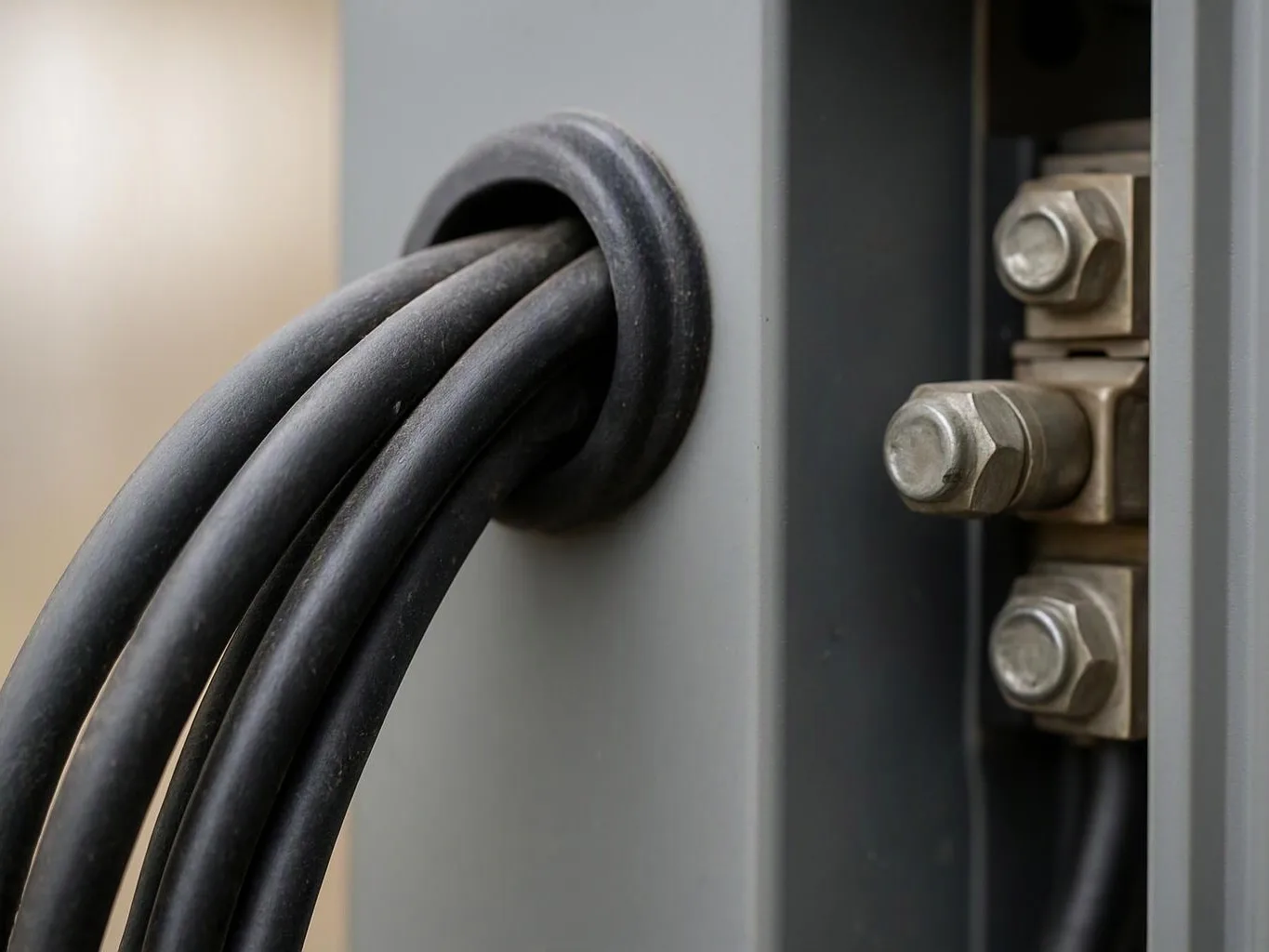
Thick black cables pass through a gray metal panel beside shiny bolted electrical connectors

ZIP Codes We Serve in Inez, Texas

77968

Bidirectional electric-vehicle home backup integration in Other Areas

(361) 405-6801