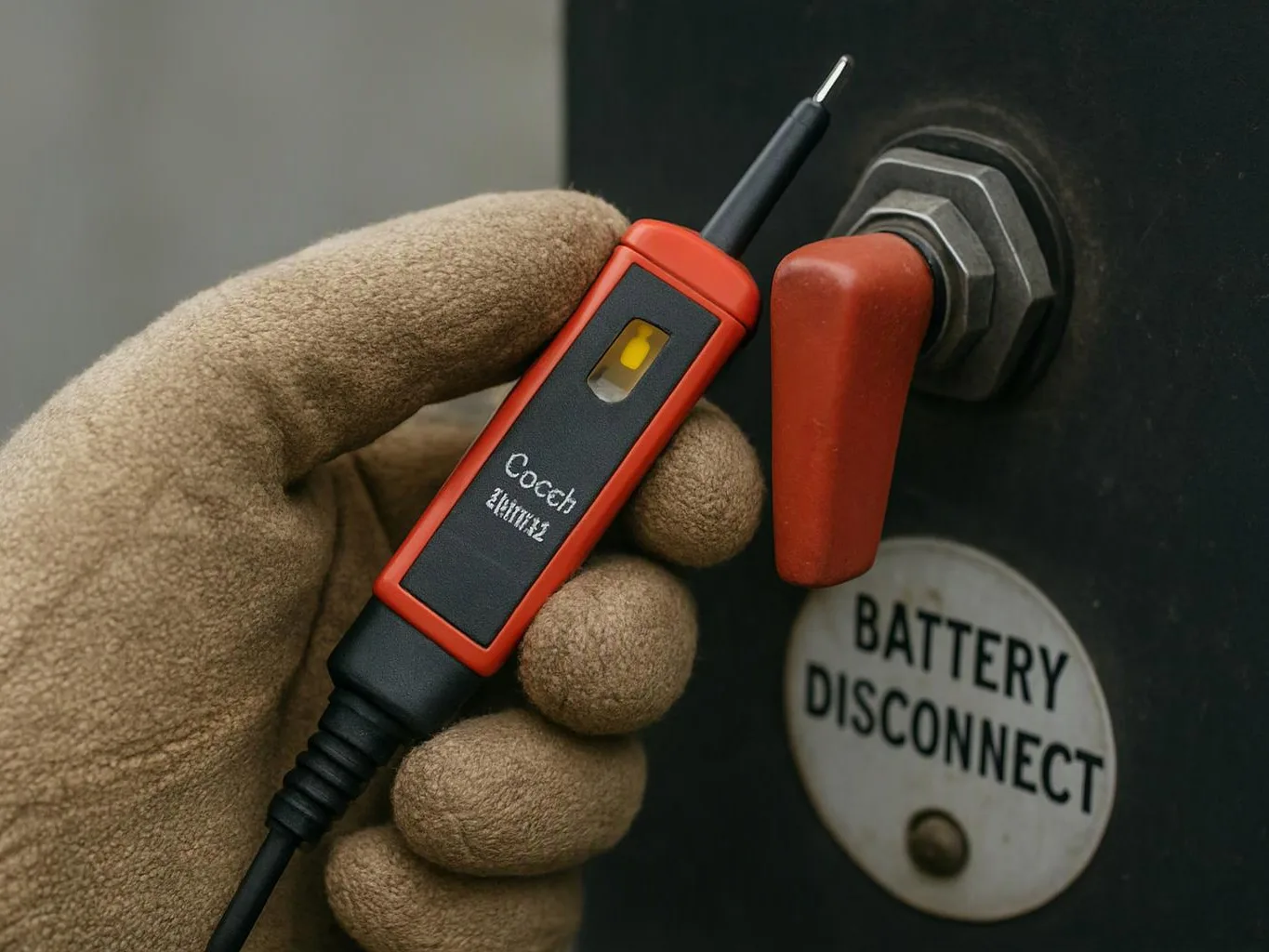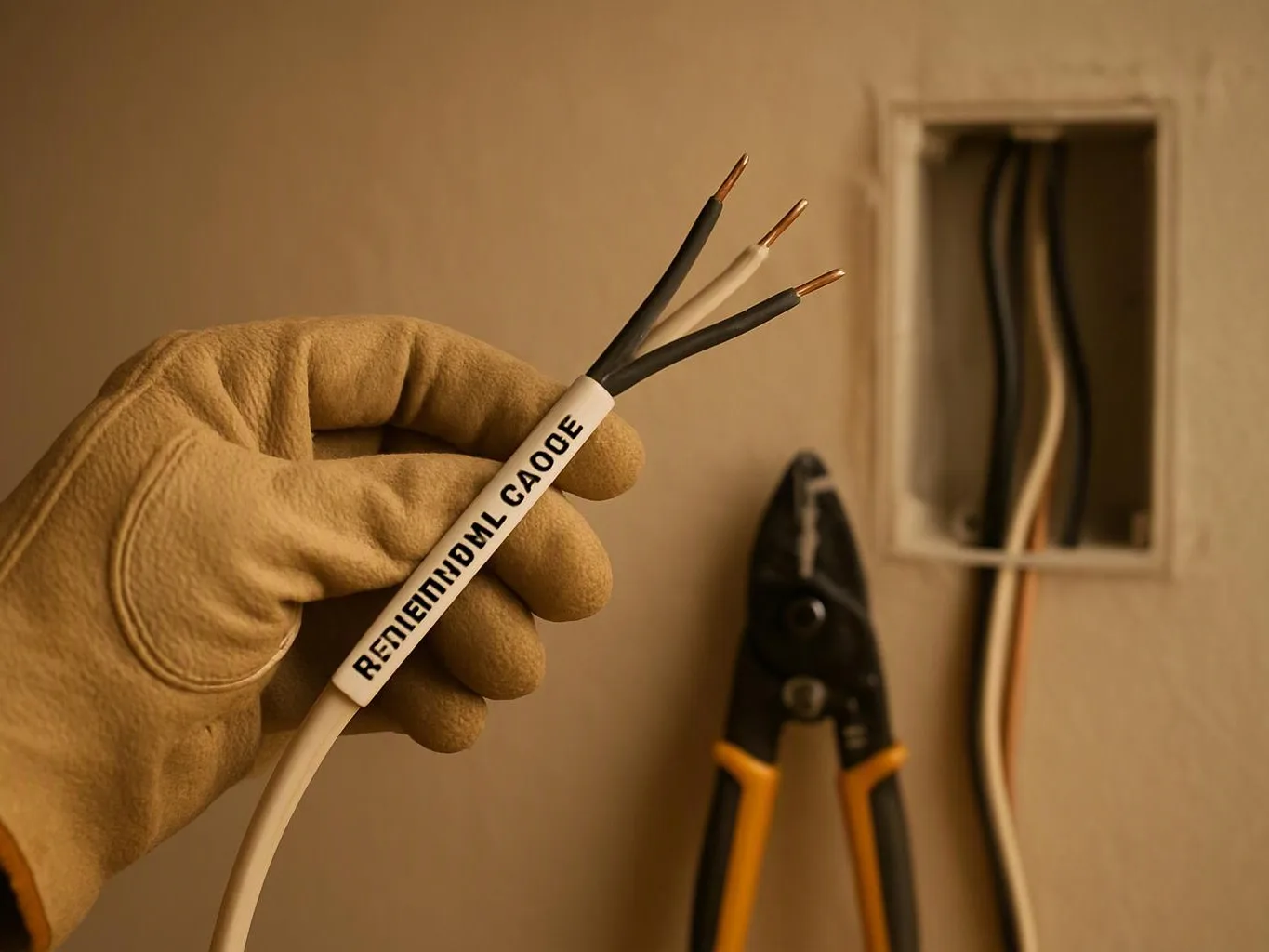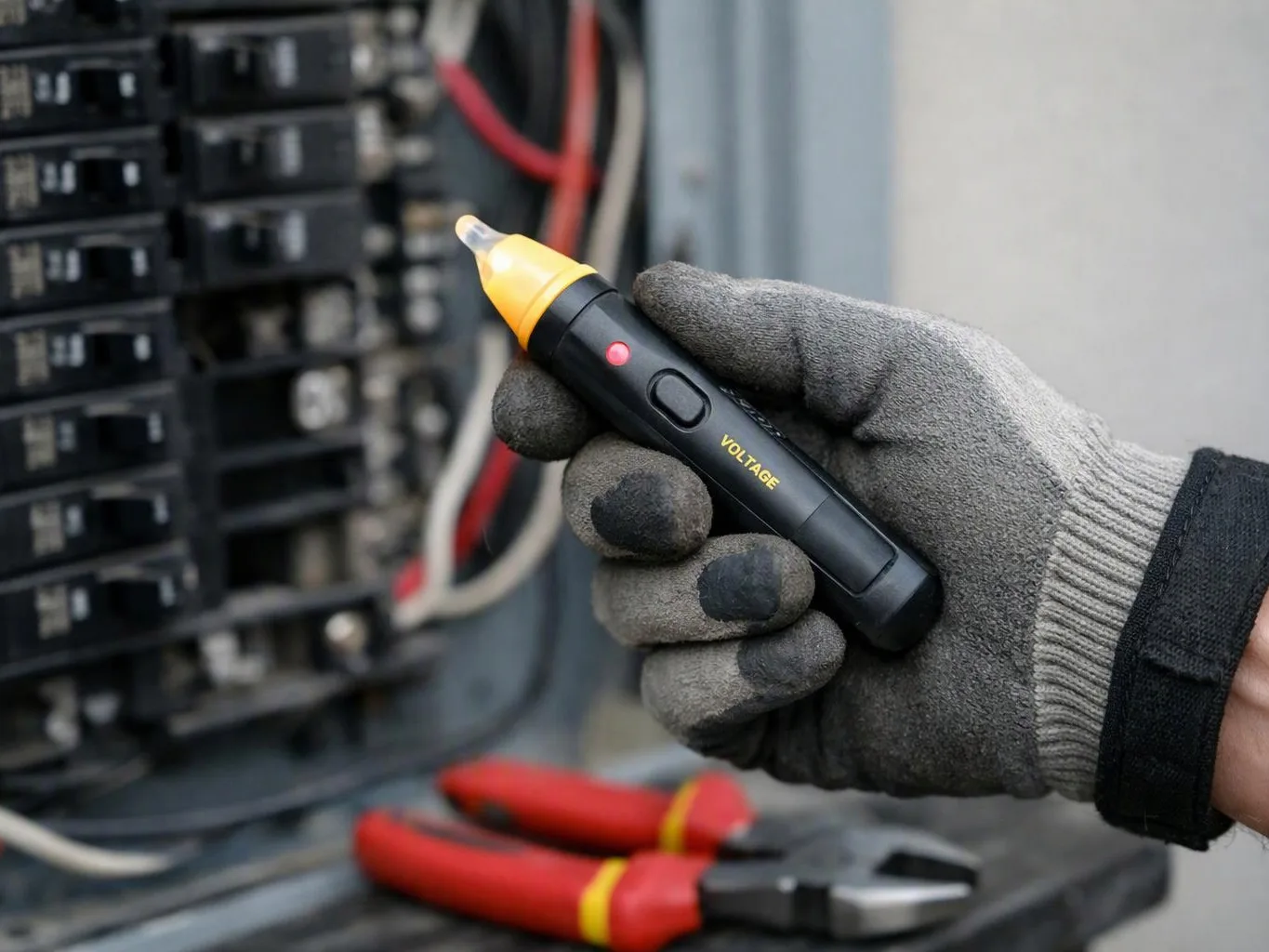
Home Battery Backup and Electrical Interconnection Planning
Home battery critical-load backup installation planning compares and coordinates battery backup, bidirectional EV integration, and virtual-power-plant-ready electrical interconnection. Service Electric matches essential circuits, battery controls, transfer equipment, utility interconnection, and future operating goals before we plan the installation.
Request an EstimateOptions at a Glance
Each backup path supports a different operating goal. We use the available equipment, the home’s critical loads, and the electrical service to guide the comparison.
How Do Home Battery, EV Backup, and VPP-Ready Systems Compare?
Home battery backup provides dedicated stored energy, bidirectional EV backup uses a compatible vehicle and charger, and VPP-ready planning prepares an eligible system for coordinated grid participation. We compare the system purpose, controls, maintenance needs, and utility interconnection before equipment selection.
| Option / System | Best For | Typical Lifespan / Turnaround | Key Trade-Offs |
|---|---|---|---|
| Standalone home battery backup | Dedicated critical-load backup | Depends on equipment and project scope | Requires battery space, controls, and ongoing maintenance access |
| Bidirectional EV home backup | Homes with a compatible EV and charger | Depends on vehicle use, equipment, and project scope | Backup depends on vehicle availability and compatibility |
| VPP-ready battery interconnection | Homes planning possible grid coordination | Depends on equipment, program rules, and project scope | Requires compatible communications and customer permission |
Cost depends on the electrical service, equipment, wiring route, controls, and utility requirements. We include those factors in the installation review instead of treating the battery or vehicle equipment as the only project cost.
1. Standalone Home Battery Backup
Standalone home battery backup supplies selected critical loads through battery storage, power-conversion equipment, and a properly controlled connection to the home electrical system. This option is best for homeowners who want dedicated backup circuits that do not depend on an EV being present.
Our Standalone home battery critical-load backup installation planning covers the battery location, inverter, transfer switch, load management, and utility interconnection.
2. Bidirectional EV Home Backup
Bidirectional EV home backup requires a compatible vehicle, bidirectional charging equipment, control hardware, and an interconnection design that safely separates backup power from the utility. This option is best for homeowners who already have an eligible electric vehicle and can keep it available when backup power is needed.
We check the vehicle, bidirectional charger, service equipment, and islanding protection together. Vehicle availability remains an important part of the backup plan.
3. VPP-Ready Battery Interconnection
VPP-ready battery interconnection prepares an eligible distributed energy resource for possible coordination through a virtual power plant. This option is best for homeowners who want backup priorities while preserving the ability to consider an approved utility or aggregator program.
We confirm that the advanced inverter, communications gateway, and utility interconnection design support the intended operating goals. Program eligibility and enrollment remain separate from the physical installation.
What Does Standalone Home Battery Backup Include?
Standalone home battery backup supplies selected critical loads through battery storage, power-conversion equipment, and a properly controlled connection to the home electrical system. A typical design may include a home battery, inverter, critical-load panel, transfer switch, and load management controls.
We review the utility interconnection and the existing electrical system before selecting the connection method. Automatic transfer or manual transfer equipment must operate with the required disconnect and safety controls.
Why Choose Standalone Battery Backup for Critical Loads?
Standalone battery backup suits homeowners who want a fixed backup power system built around essential loads. We help separate priority circuits from loads that are not needed during a power outage.
What Does Bidirectional EV Home Backup Require?
Bidirectional EV home backup requires a compatible electric vehicle, bidirectional charger, control hardware, and an interconnection design that safely separates backup power from the utility. The design must account for vehicle-to-home operation, service equipment, and islanding protection.
We coordinate the charger with the home energy management system and the critical loads. We also review how the system will disconnect from the grid connection during an outage.
Why Choose Bidirectional EV Backup for a Home?
Bidirectional EV backup can suit a home where the electric vehicle battery is available when backup power is needed. We compare vehicle availability with the home’s critical-load priorities before planning the integration.
How Do We Plan the Electrical Interconnection?
We plan the interconnection by reviewing the existing service, identifying critical loads, selecting compatible control equipment, and documenting how backup power will operate safely. Our team uses the electrical service and the main service panel as the starting point.
Our team also checks wiring routes, equipment access, and future expansion goals. The completed plan shows how the system separates from the utility and restores the intended grid connection.
What Makes a Home Battery VPP-Ready?
A VPP-ready home battery includes compatible controls and communications that can support an eligible utility or aggregator program while preserving the home’s backup priorities. A virtual power plant coordinates distributed energy resources, such as connected batteries, for demand response.
We review the advanced inverter, communications gateway, and program requirements during planning. Customer permission remains essential because the homeowner’s backup settings and operating preferences guide participation.
What Changes the Installation Quote for This Backup Plan?
The installation quote changes with the existing electrical service, equipment location, critical-load panel work, wiring route, control equipment, and utility interconnection requirements; we review those factors before preparing an exact quote. We also examine whether trenching or a longer wiring distance affects the installation scope.
Panel configuration, battery location, permit scope, and transfer equipment can change the work required. To request an exact quote, provide the service details, equipment goals, critical-load priorities, and any available EV or utility program information.
What Should Homeowners Ask Before Choosing Backup Equipment?
Homeowners should confirm how the proposed equipment will operate during an outage and how the design supports future goals. We use the following questions to keep equipment selection connected to the electrical plan.
How to Choose a Home Backup Interconnection Plan
The right plan matches the backup equipment to the home’s electrical conditions and operating priorities. We recommend checking the scope before approving equipment selection.
Questions About Home Battery and EV Backup Planning
Can a home battery back up only selected circuits?
Yes, a home battery can back up selected circuits through a planned critical-load panel and suitable transfer equipment. Service Electric identifies the essential loads and checks the service capacity before we design the backup circuits.
Can an electric vehicle power a home during an outage?
Yes, an electric vehicle can power selected home loads during an outage when the vehicle, bidirectional charger, controls, and interconnection design are compatible. We verify islanding protection and vehicle availability as part of the plan.
What is the difference between vehicle-to-home and vehicle-to-grid?
Vehicle-to-home sends energy from a compatible vehicle to selected home loads, while vehicle-to-grid refers to controlled energy exchange with the utility grid. We plan the equipment and controls around the operating function the homeowner wants.
Does a home battery need a separate critical-load panel?
A home battery may need a separate critical-load panel when the design backs up selected circuits. We review the main service panel, transfer method, load calculation, and equipment instructions to determine the required arrangement.
What happens to home battery backup during a utility outage?
Home battery backup separates the selected circuits from the utility through approved transfer equipment and islanding protection, then supplies those circuits from stored energy. We document the operating sequence during interconnection and permit planning.
Can a VPP-ready battery remain available for homeowner backup?
Yes, a VPP-ready battery can remain available for homeowner backup when its controls and program settings preserve the home’s backup priorities. We review customer permission, operating modes, and utility program requirements during planning.
What information does Service Electric need to prepare a backup installation quote?
Service Electric needs the electrical service details, main service panel configuration, preferred critical loads, equipment location, wiring route, and any EV or utility interconnection goals. We use that information to define the installation scope and prepare an exact quote.
Home battery and EV backup planning works best when critical loads, controls, transfer equipment, and utility requirements are reviewed together. Contact Service Electric to discuss the electrical interconnection plan and request a quote.