
Review the electrical panel
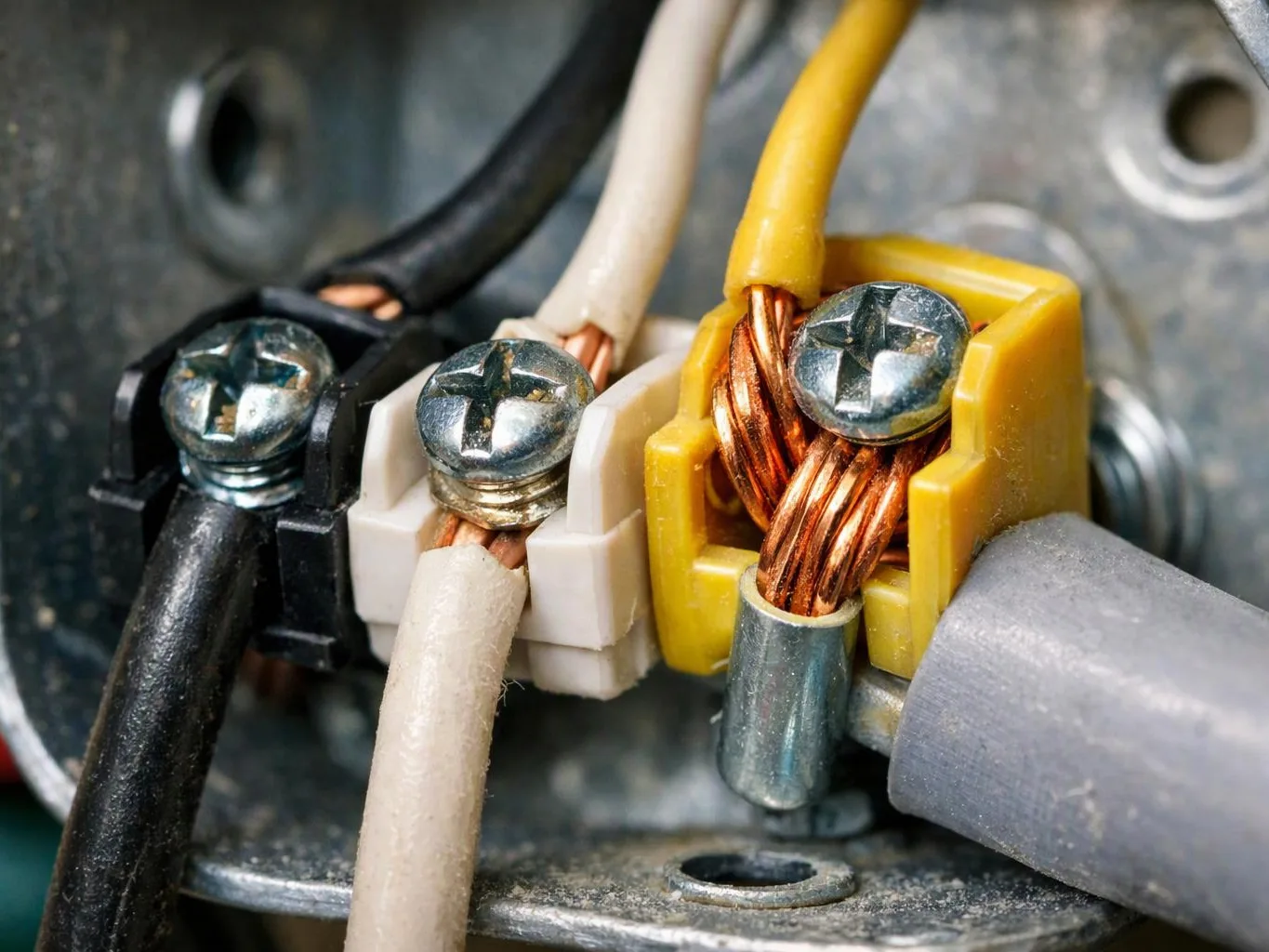
We inspect the panel, identify available connections, and review the home's electrical layout before selecting the backup path.
We install standalone home battery systems that keep selected critical circuits ready during an outage. Our electricians plan the battery connection around your home's electrical panel and backup priorities.
Critical circuits have a planned backup path during an outage.
Circuit selection helps keep battery demand focused on essential home use.
Clear labels show which loads connect to the battery.
Testing confirms the installed circuits respond as planned.
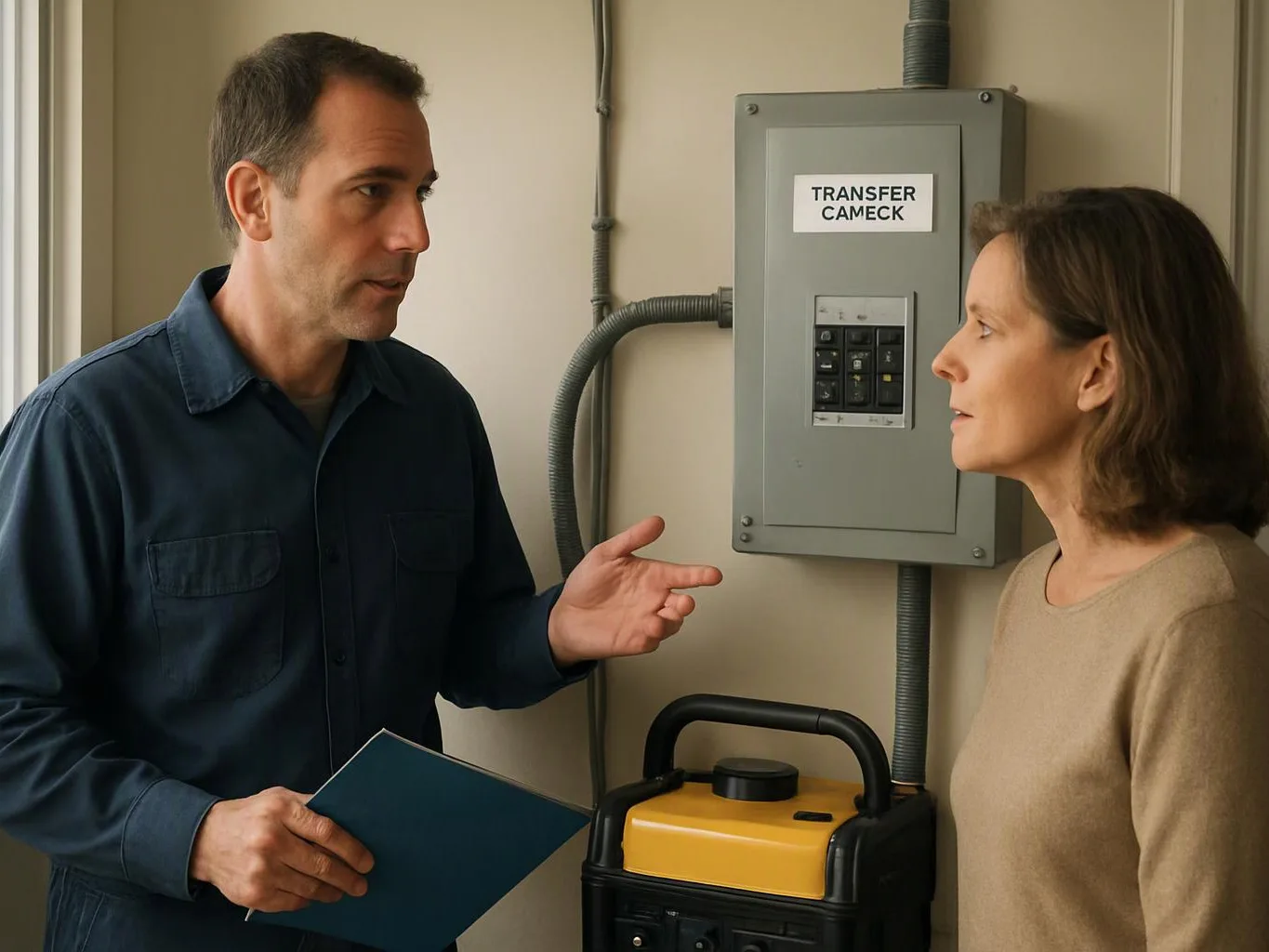
Standalone battery backup gives a home a planned source for critical circuits during an outage. Common priorities include refrigeration, lighting, communications equipment, and selected receptacles, but the final group depends on the home's panel and electrical demand. We begin with a load review and circuit tracing. The goal is to separate essential loads from circuits that could drain the battery quickly. We then plan the connection, install the needed wiring, and test the system under the selected backup scope. A critical-load system does not automatically power every appliance. Large heating, cooling, cooking, or workshop loads may need separate review because their demand can affect battery performance. We explain those limits before the work is complete.
Standalone home battery critical-load backup installation is an electrical service that connects a home battery to selected circuits for outage support.
A few details help us plan the critical-load system around how your home actually operates.
We inspect the panel, identify available connections, and review the home's electrical layout before selecting the backup path.
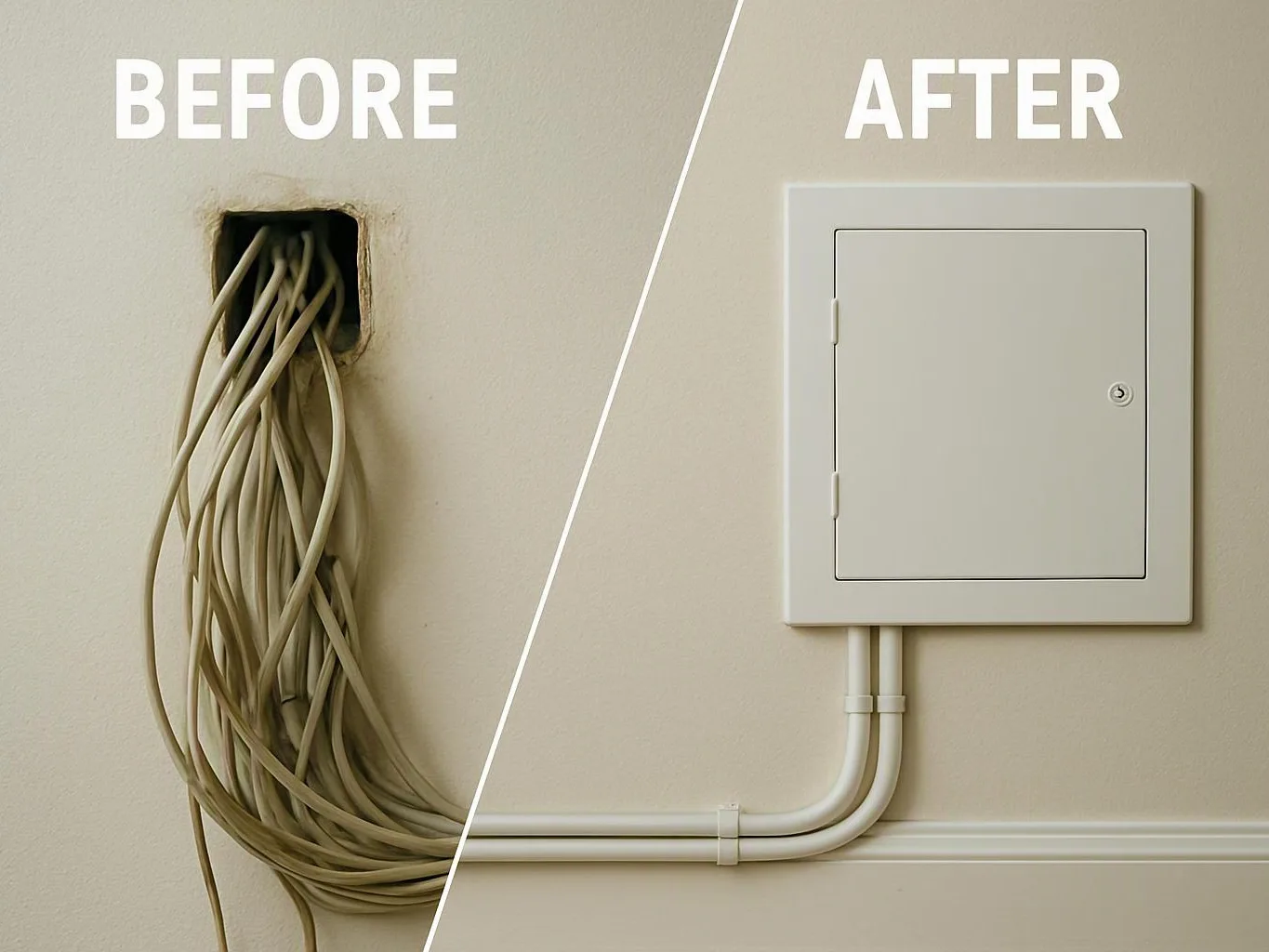
We discuss which circuits matter during an outage, then trace and label those circuits at the panel.
We match the planned battery connection to the selected loads, wiring path, panel layout, and electrical demand.
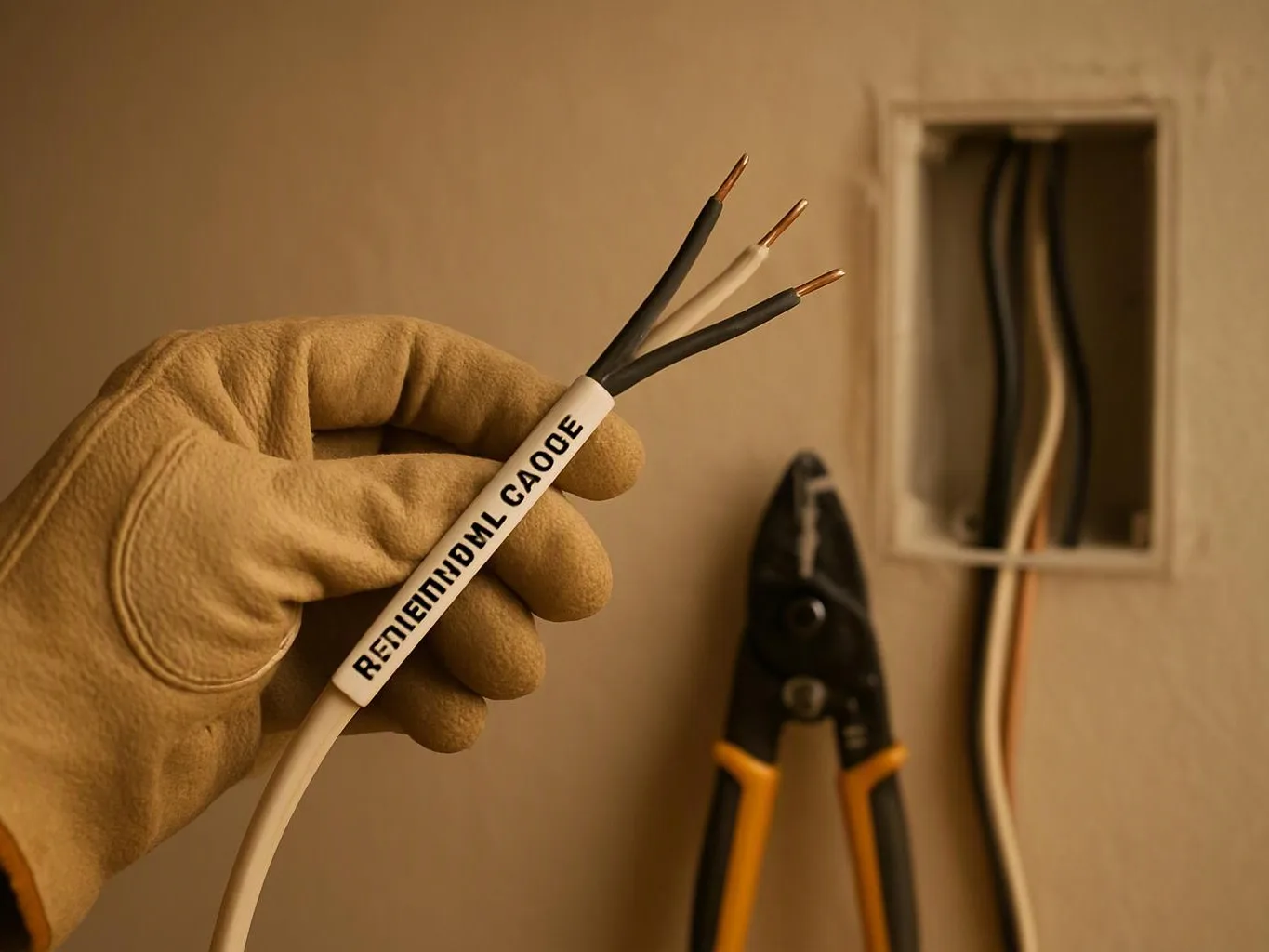
We install the required electrical connections and connect the battery to the planned critical-load backup arrangement.
We test the connected circuits, verify the backup operation, and explain the supported loads and system limits.
We assess the panel and selected loads before recommending a battery connection suited to the home's electrical demand.
We isolate electrical hazards, protect the work area, and check each battery connection during installation.
We explain the mapped circuits, backup limits, testing results, and controls before handing the system back.
Request a quote for standalone home battery critical-load backup installation, and urgent requests get priority scheduling.
A homeowner wants refrigeration, lights, and selected outlets available during an outage. The key decision is which circuits matter most and whether their combined demand fits the planned battery backup. We inspect the panel, trace those circuits, and explain the supported load group before installation proceeds.
Some outlets remain off even though the battery shows backup status. Different outlets may sit on separate branch circuits, so the visible outlet location does not prove its backup connection. We map the circuits, check the panel connection, and test the selected outlets to define the actual backup scope.
A homeowner is adding an EV charger, generator service, or other large electrical load and wants battery backup too. Those additions can change the panel load plan and the circuits chosen for support. We review the proposed loads together, then set a critical-load plan that fits the property's electrical layout.