Light Switch Repair, Replacement, and Ceiling Fan Electrical Safety
Light switch repair versus replacement depends on whether the fault is isolated and repairable or the switch is damaged, worn, or unsafe; Service Electric checks the switch, wiring, and connected fixture before recommending the appropriate work.
Request an EstimateQuick Picks
Light switch repair suits an isolated connection or mounting problem when the existing switch remains safe. Light switch replacement suits a damaged, overheated, worn, or unsuitable switch.
Should a Faulty Light Switch Be Repaired or Replaced?
A faulty light switch should be repaired when the defect is isolated and the switch remains suitable, while replacement is usually the better choice when the switch is damaged, worn, overheated, or unsafe.
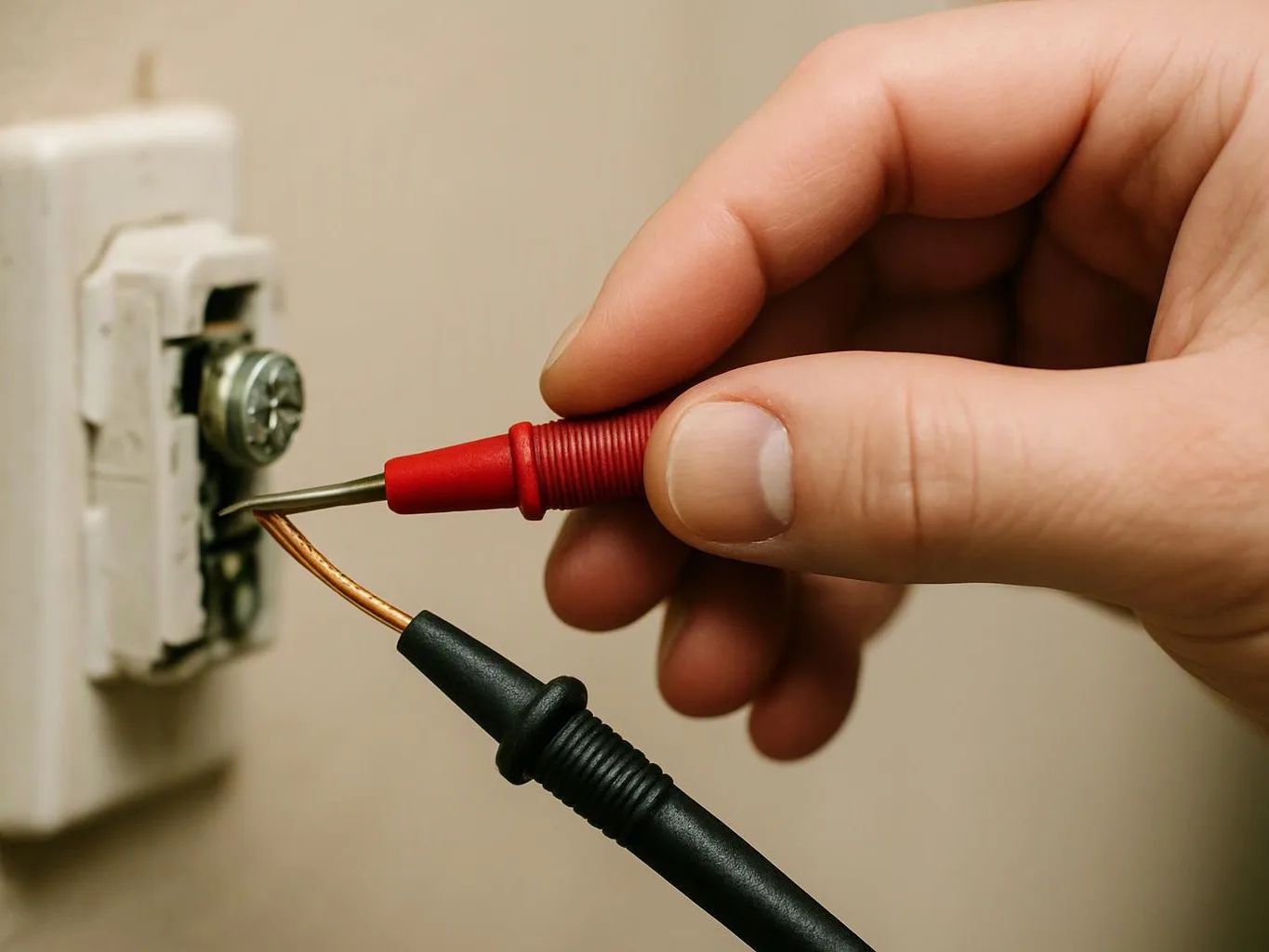
We inspect the switch mechanism, electrical wiring, switch plate, and electrical box before choosing the work. We also use the circuit breaker and circuit testing to help isolate the fault safely.
A loose switch plate or wire connection may point to a mounting or wiring issue. Burn marks, heat damage, buzzing, or unreliable operation can indicate that the switch should no longer remain in service.
Light Switch Repair Versus Replacement at a Glance
Light switch repair focuses on correcting an isolated fault while keeping a suitable switch in place. Light switch replacement removes the existing device and connects a suitable new switch after we check the wiring and box.
| Factor | Light Switch Repair | Light Switch Replacement |
|---|---|---|
| Cost drivers | The fault, wiring access, grounding, and related repairs. | The switch type, wiring, box condition, and installation work. |
| Job timeline | Often involves correcting the identified connection or mounting issue. | Includes removal, connection of the new switch, and functional testing. |
| Maintenance | Keeps a suitable switch in service after the fault is corrected. | Provides a new mechanism suited to the circuit and intended use. |
| Best use case | An isolated connection, mounting, or wiring fault. | A damaged, worn, overheated, or unsuitable switch. |
We explain the work included in the quote after checking the switch, circuit, and access. The final choice depends on safe operation, not only on the visible symptom.
When Is Light Switch Repair the Better Choice?
Light switch repair is the better choice when the switch and wiring can be made safe without replacing a serviceable component.
Best for an isolated connection, mounting, or wiring fault affecting an otherwise suitable switch. Our team can also review the repair scope through Light Switch Repair.
When Is Light Switch Replacement the Better Choice?
Light switch replacement is the better choice when the switch has physical damage, heat damage, persistent malfunction, or a mechanism that no longer operates safely.
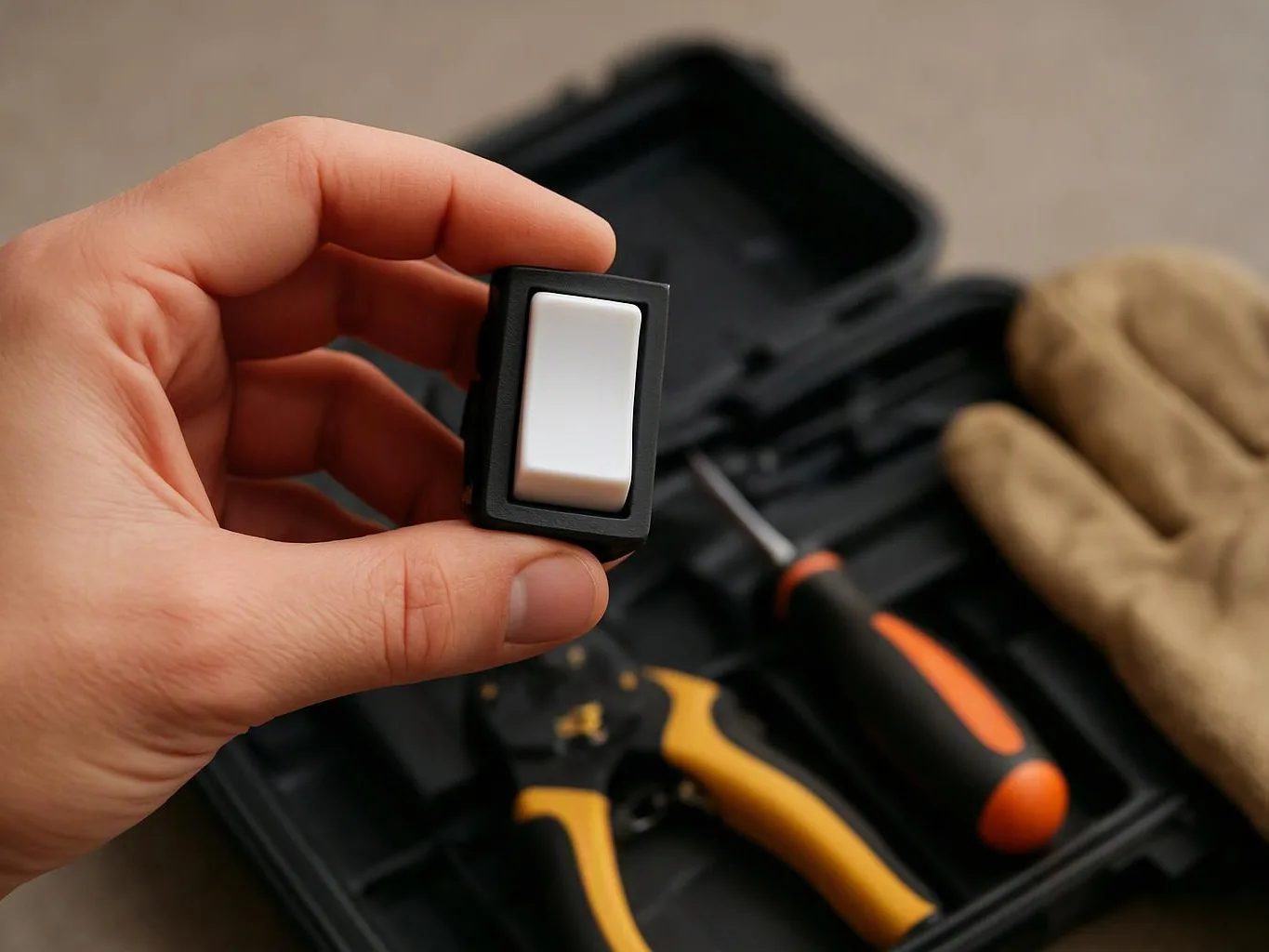
Best for a damaged, worn, overheated, or unsuitable switch that should no longer remain in service. Our light switch installation includes checking the wire connection, grounding, and functional operation.
What Changes the Quote for a Light Switch Job?
The light switch job quote changes with the switch type, wiring condition, access, grounding, and any related electrical repair required; we inspect those factors before preparing the quote.
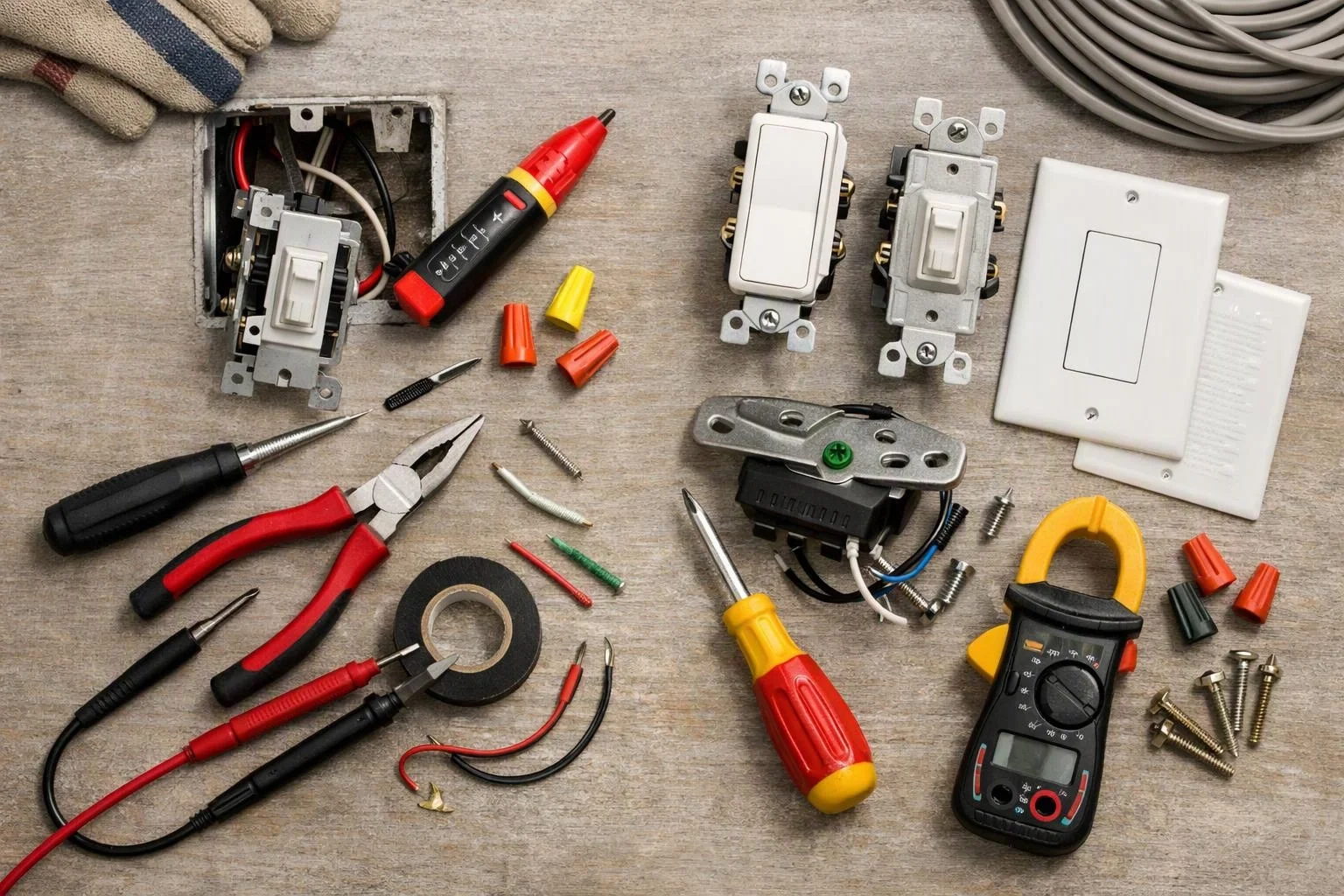
A basic switch change-out can involve different work from a dimmer, smart switch, or three-way switch. The circuit configuration and number of switches can also affect the scope.
We check the electrical box for space, support, and wire condition. If access or the box requires related wall repair, we include that work in the quote so the scope is clear.
How We Check a Light Switch Before Repair or Replacement
Our light switch inspection starts with power isolation and ends with functional testing of the switch and connected fixture.
What Electrical Safety Checks Does a Ceiling Fan Need?
A ceiling fan needs checks for secure mounting, suitable electrical support, sound wiring, grounding, control operation, and signs of overheating before repair or continued use.
We confirm that the fan is supported by a fan-rated electrical box and that the ceiling wiring is properly connected. We also inspect the grounding conductor, fan switch, and wall control for safe operation.
A loose connection can create heat or unstable operation. We check the circuit breaker, fan motor connections, and surrounding wiring for evidence of overheating.
When Should a Ceiling Fan Stop Operating?
A ceiling fan should stop operating when it sparks, smells burnt, buzzes unusually, wobbles severely, or shows intermittent electrical operation.
Turn off the fan and use the circuit breaker when it is safe to do so. Do not keep testing a fan with a burning smell, visible sparking, or suspected fan wiring damage.
We inspect the fan motor, fan wiring, controls, mounting, and grounding to identify the safety risk. Ceiling fan repair may involve the control, connection, support, or fan itself.
How Service Electric Handles Light Switch and Ceiling Fan Work
Service Electric handles light switch repair, light switch installation, ceiling fan repair, and related electrical inspection with safety testing built into the work.
We begin by discussing the symptom and checking the affected circuit. Our team then inspects the wiring, electrical box, connections, controls, grounding, and connected fixture before explaining the recommended repair or replacement.
We provide a quote based on the actual scope, including access, switch type, wiring condition, and any related repair. For broader planning questions, How to Compare Electrical Repair Options and Proposals can help you review what a clear proposal should cover.
Questions About Light Switches and Ceiling Fan Safety
Can a light switch be repaired without replacing the switch?
Light switch repair can correct an isolated connection, mounting, or wiring fault without replacing a suitable switch. Service Electric checks the switch mechanism and electrical box first, then confirms safe operation with testing.
Why does a light switch feel warm or make a buzzing sound?
A warm or buzzing light switch can point to a loose connection, overloaded or unsuitable switch, worn mechanism, or heat damage. Stop using the switch if the warmth or sound is unusual, and have the circuit checked before continued operation.
Can a ceiling fan use the existing light switch wiring?
A ceiling fan can use existing light switch wiring only when the wiring, circuit configuration, controls, grounding, and fan-rated electrical box suit the installation. We inspect those conditions before connecting the fan or wall control.
What should I do if a ceiling fan sparks or smells burnt?
A ceiling fan that sparks or smells burnt should be turned off immediately, with the circuit breaker isolated when safe. Do not operate the fan again until we inspect the fan motor, fan wiring, controls, mounting, and signs of overheating.
Contact Service Electric to discuss a light switch or ceiling fan concern and request a quote based on the work your electrical system needs.