
Skip to content

Standalone Home Battery Critical-Load Backup Installation in Quail Creek, Texas

Critical-load panel work must match the home's electrical load and safe connection plan in Quail Creek. We install standalone supporting system upgrades for selected home circuits.

Licensed & InsuredWarranty AvailableSame-Day ServiceUpfront, Transparent Pricing

Quick Summary: Standalone Home Battery Backup in Quail Creek, Texas

Standalone home battery critical-load backup installation in Quail Creek is provided by Service Electric for homes that need selected circuits supported during outages. The work covers the battery cabinet, transfer equipment, system controls, and critical-load panel planning.

  • What we do: Service Electric installs standalone home supporting system upgrades for residential properties in Quail Creek, Texas.
  • What is included: Battery cabinet installation, transfer equipment setup, system controls, circuit review, testing, and verification.
  • What you get: The customer receives a tested home battery backup system with selected critical circuits ready for supported backup power.

Why does my home battery backup need a critical-load panel?

A critical-load panel separates selected home circuits from circuits that the battery will not support. Service Electric uses that separation to match backup demand with the battery system and transfer equipment.
Supporting Clients Across Quail Creek

Standalone home battery critical-load backup installation is built for homeowners who want backup power for selected needs. The job focuses on the battery cabinet, transfer equipment, system controls, and the circuits that matter most during an outage.

Customers must decide which parts of the home need backup support. That choice affects the load calculation, wiring plan, equipment placement, and final testing. A whole-home backup system is a different scope, so we review the property before setting the work plan.

The key decision is fit. Homes with a clear need for backup power on selected circuits may suit this service, while a panel repair or generator installation may address a different need.

  • Confirm which home circuits need backup support.
  • Review available panel space and electrical load.
  • Plan the battery cabinet and transfer equipment locations.
  • Check system controls and test the completed connections.
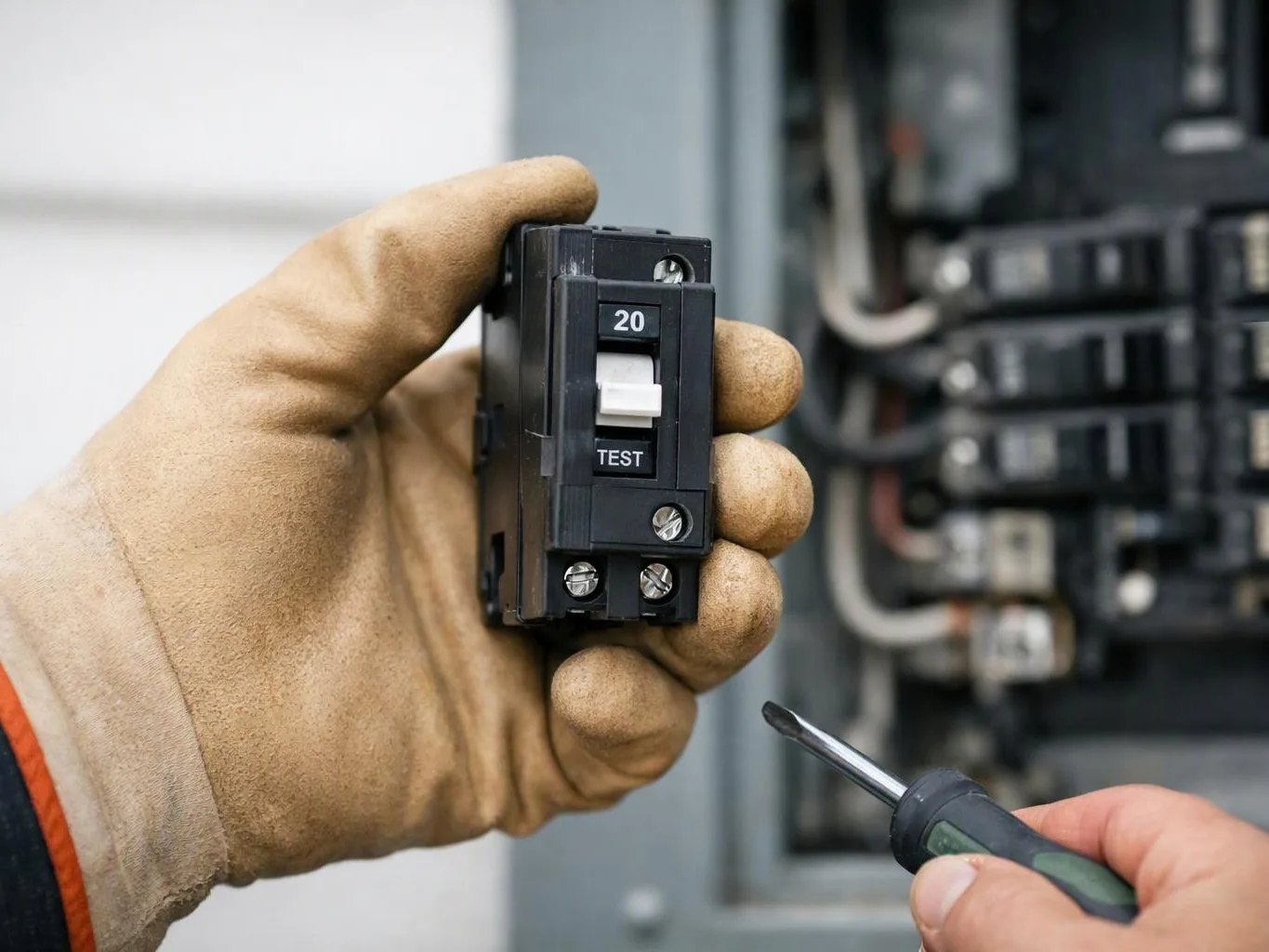
A gloved hand holds a circuit breaker while another hand points a screwdriver at it in an electrical panel

Service Overview

Standalone home battery critical-load backup installation is a residential electrical service that connects a battery system to selected home circuits for backup power.

  • Unlike a generator service, this work centers on a battery cabinet, transfer equipment, and system controls without adding a fuel-powered generator.
  • Service Electric provides this installation in Quail Creek and surrounding communities served by the business.

What Standalone Home Battery Backup Installation Includes

Service Electric provides comprehensive Standalone home battery critical-load backup installation in Quail Creek. Here's what you get:

  • We review the home's existing electrical panel and backup power goals.
  • We plan the battery cabinet location and its connection to the home's electrical system.
  • We install transfer equipment that manages the change between utility power and battery power.
  • We connect system controls for operation and status checks.
  • We review selected circuits and complete testing and verification after installation.

What Home Battery Backup Changes for the Customer

Selected home circuits have a planned source of backup power during an outage.

A defined load plan helps keep backup demand aligned with the battery system.

Transfer equipment supports an orderly change between utility power and stored power.

System controls give the homeowner a way to review the backup setup.

Process

How We Complete Home Battery Backup Installation

1

Review the home's electrical load

We inspect the existing panel and discuss which circuits the homeowner wants supported. The review helps set the correct backup scope.

2

Plan the battery equipment

We assess the battery cabinet location, wiring path, transfer equipment, and system controls. Customers receive a clear explanation of the planned connections.

3

Connect the backup equipment

We install the battery equipment and connect it to the planned home circuits. The work follows the agreed electrical scope for the property.

4

Test the completed system

We check the connections, review system controls, and test the backup setup. Customers receive practical information about the installed equipment.

What Customers Get From This Battery Backup Work

A load-based installation decision

Customers receive a work plan based on the home's electrical load and selected circuits. We explain the scope before installation so the battery system fits the intended use.

Separate equipment roles

The battery cabinet stores power, transfer equipment manages the power source, and system controls manage operation. Keeping these roles clear helps customers understand what the installation includes.

A clear limit on system scope

This service is the wrong job when the main need is a damaged panel, faulty wiring, or a fuel-powered generator. We address the actual electrical need before setting the backup plan.

Battery Backup Scope Compared With Related Electrical Work

This table separates battery backup installation from other electrical services customers may be considering.

Electrical servicePrimary purposeWhen it fits
Standalone home battery backupStores power for selected home circuitsFits planned backup needs during outages
Generator serviceUses a fuel-powered generator for backup powerFits customers seeking generator equipment or service
Panel upgradeImproves the home's main electrical distribution equipmentFits a panel with capacity, condition, or space concerns

The Service Electric Standard

  • Issue Assessment
  • Safety First
  • Clear Explanations
  • Suitable Materials

Questions About Home Battery Backup Installation

What does standalone home battery critical-load backup installation include?

Critical-load panel planning, a battery cabinet, transfer equipment, system controls, and final testing are included. Service Electric reviews the home's electrical load before connecting the backup equipment. We also check the selected circuits and explain how the system operates. The exact work depends on panel space, wiring paths, and the customer's backup goals.

How does a battery backup visit move from the first call to the last step?

The visit moves from an electrical review to equipment planning, installation, and testing. We first discuss the home's backup goals and inspect the existing panel. Customers then receive the planned scope before work starts. After the connections are complete, we test the system controls and explain the installed setup.

Which part of the property decides the backup installation scope?

The home's electrical panel and connected circuits decide much of the installation scope. Panel space, wiring paths, electrical load, and equipment placement shape the work. We inspect those points before planning the battery connection. Customers with damaged wiring or an unsuitable panel may need electrical repairs before backup equipment is installed.

How can I tell whether battery backup fits my home?

Battery backup fits a home when selected circuits can be identified and the electrical system can support the planned connections. We review the panel, load, wiring, equipment location, and backup goals. Customers who need every circuit supported may need a different system scope. We explain that distinction during the assessment.

What makes the price change on this installation?

The selected circuits, panel condition, wiring path, equipment location, and required electrical work change the project price. We also review the load and the connection between the battery cabinet and transfer equipment. Customers receive a quote after we understand the property and the intended backup scope.

When does a panel problem need attention before battery installation?

A damaged, crowded, or unsuitable panel needs attention before battery equipment is connected. We inspect the panel for available space, wiring condition, and a workable connection point. Customers may need panel repair or an upgrade before the backup system can proceed. We explain that requirement as part of the work review.

Why are transfer equipment and system controls both needed?

Transfer equipment manages the power source, while system controls manage backup operation and status information. We connect both parts as part of the planned battery system. Customers need each component to understand how the setup operates. We test the controls and connections after installation.

Standalone home battery critical-load backup installation in Other Areas

Contact

Request a Quote for Home Battery Backup Installation in Quail Creek

Request a quote for standalone home battery critical-load backup installation in Quail Creek, and urgent requests get priority scheduling.

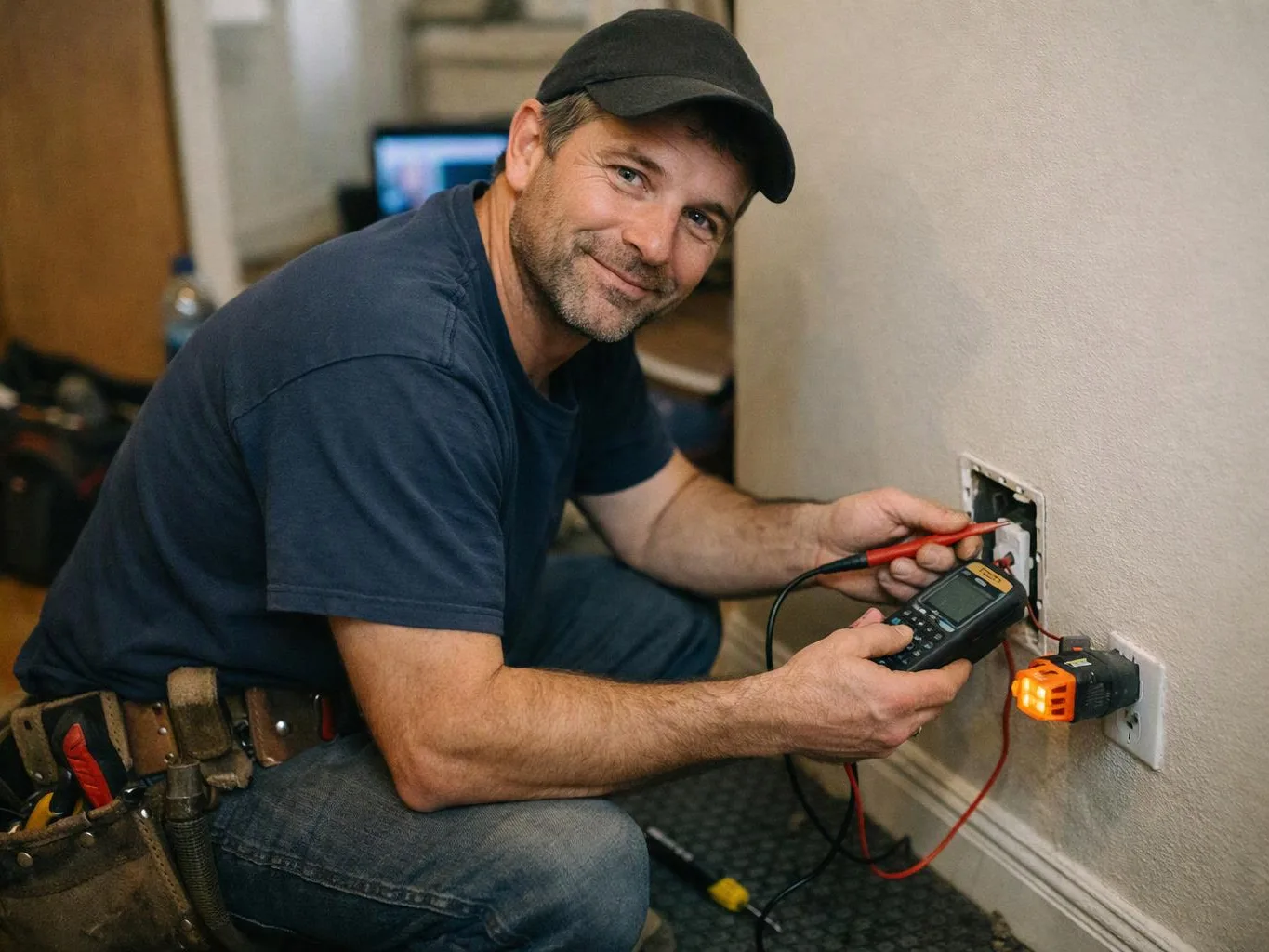
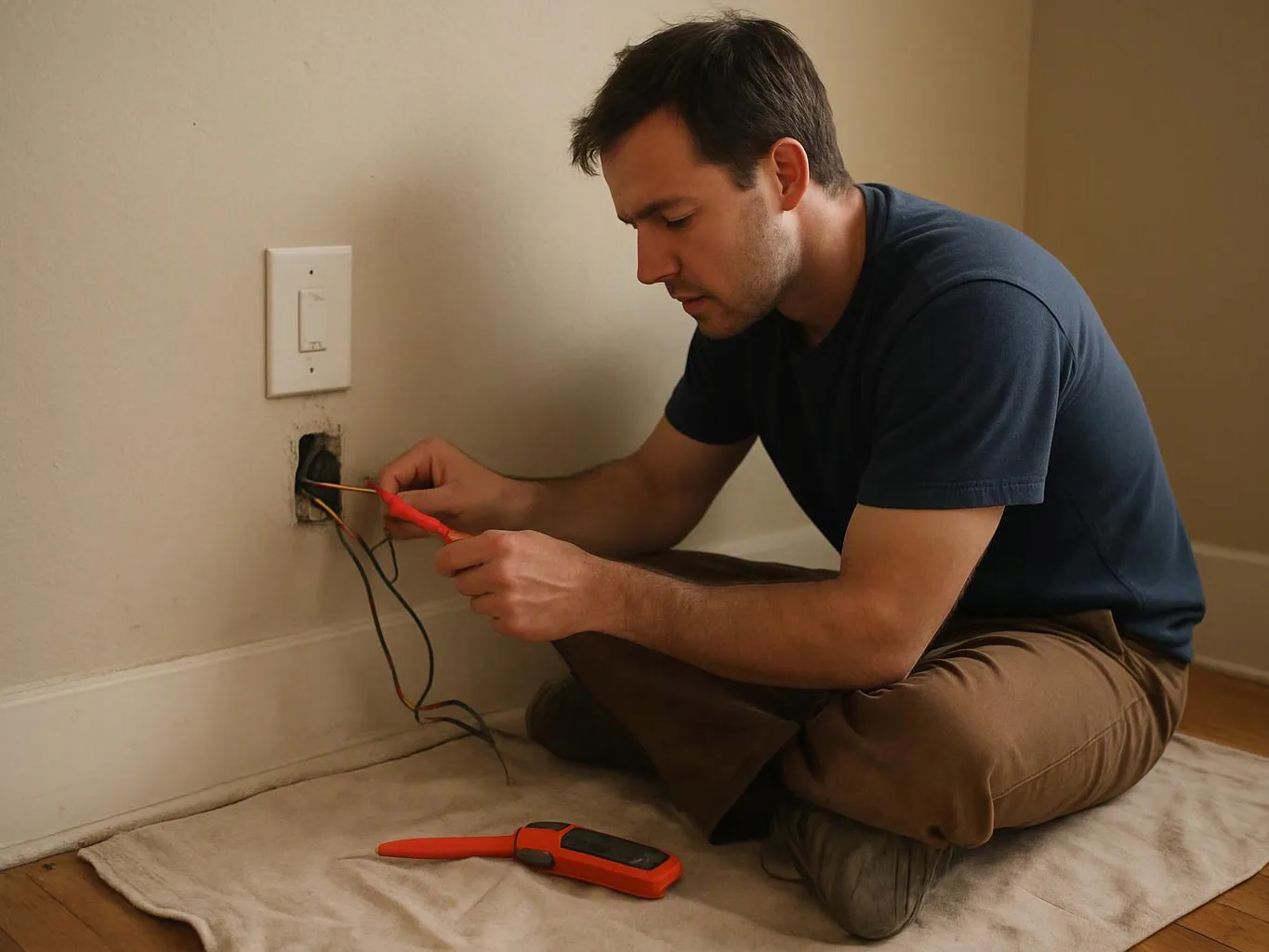
A man kneels on a rug, testing exposed wall wires with a red tool beside a light switch
(361) 405-6801