Skip to content

Standalone Home Battery Critical-Load Backup Installation in Bloomington, Texas

Battery cabinet checks in Bloomington help us plan a focused backup system. We connect critical-load equipment for dependable power during an outage.

Licensed & InsuredWarranty AvailableSame-Day ServiceUpfront, Transparent Pricing

Quick Summary: Home Battery Backup Installation in Bloomington, Texas

Standalone home battery critical-load backup installation in Bloomington is provided by Service Electric for homes that need selected circuits backed up during outages. The work includes battery equipment, a critical-load panel, transfer equipment, system controls, and related electrical testing.

  • What we do: Service Electric installs standalone home supporting system upgrades that connect selected critical loads through a dedicated panel and transfer equipment.
  • What is included: Key capabilities include circuit tracing, panel review, transfer equipment connection, system control setup, grounding checks, and testing and verification.
  • What you get: The customer receives a tested backup system with the selected critical loads connected and clearly explained.

Why does a home battery backup system need a separate critical-load panel?

A separate critical-load panel keeps selected circuits apart from the rest of the home during backup operation. This arrangement gives the system a clear electrical path and helps prevent unsupported loads from drawing power. Service Electric reviews the panel layout, traces the circuits, and checks the transfer equipment before connecting the backup system.

Home Battery Backup Installation in Bloomington, Texas

Standalone home battery critical-load backup installation focuses on selected circuits, not every electrical load in the property. The job suits homeowners who want backup power for chosen equipment and need a clear plan for how those circuits connect.

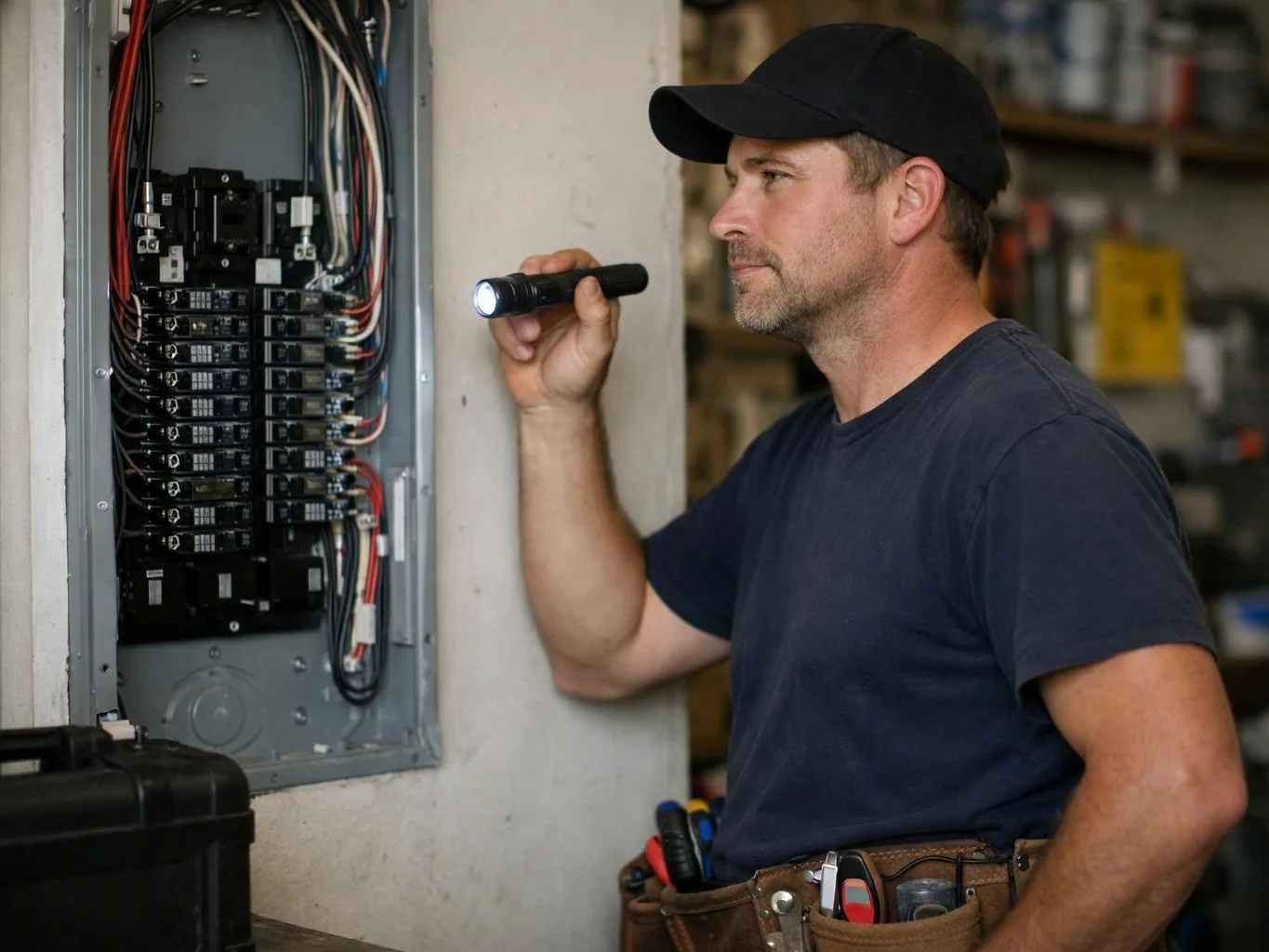
Customers must decide which loads matter during an outage. We review the existing service panel, trace circuits, and check whether the planned critical-load panel and transfer equipment fit the electrical layout.

The main limit is scope. A standalone battery system doesn't automatically support the whole property, and the final design depends on the home's wiring, available space, system controls, and connected loads.

  • Identify the home circuits that need backup power.
  • Review the main panel and available connection points.
  • Check the space and wiring path for the battery equipment.
  • Plan the critical-load panel and transfer equipment.
  • Test the completed connections and explain system controls.
A gloved hand holds a gray plastic pump housing with hose fittings beside a swimming pool

Service Overview

Standalone home battery critical-load backup installation is an electrical service that connects a battery system to selected home circuits for outage backup.

  • This work differs from generator service because it uses battery storage, transfer equipment, and system controls instead of a fuel-powered generator.
  • Service Electric provides this installation in Bloomington and surrounding communities.

What Customers Get From This Backup Work

A defined critical-load plan

Customers receive a backup layout built around selected circuits, the main panel, and the available transfer path. We explain which loads the system serves before installation begins.

Panel and circuit review

Circuit tracing helps us connect the intended loads and avoid unclear wiring paths. The review also identifies panel conditions that could affect the installation.

A clear fit check

This service fits homes that need battery backup for selected circuits. It isn't the right job when the customer needs a full-property power system or generator service instead.

Process

How We Complete Home Battery Backup Installation

1

Review the existing electrical panel

We inspect the panel, trace the relevant circuits, and review the available connection points.

2

Choose and map critical loads

Customers identify the home loads that matter most, and we map those circuits for the backup plan.

3

Plan the transfer path

We plan the critical-load panel, transfer equipment, conductors, and system controls around the selected loads.

4

Connect the backup equipment

We complete the electrical connections and check grounding, breakers, and circuit paths.

5

Test the completed system

We perform testing and verification, then explain the backed-up circuits and operating limits.

What This Backup Installation Changes at Home

Selected home circuits have a planned path to backup power during an outage.

A dedicated critical-load panel makes the backed-up circuits easier to identify and manage.

Transfer equipment helps separate normal utility power from battery operation.

System controls give the homeowner a clear way to understand backup status.

Testing and verification help identify wiring issues before the system is put into regular use.

What Home Battery Backup Installation Includes

Service Electric provides comprehensive Standalone home battery critical-load backup installation in Bloomington. Here's what you get:

  • We review the existing electrical panel and map the circuits selected for backup.
  • We plan the connection between the battery system, critical-load panel, and transfer equipment.
  • We install and connect the system controls used to manage backup operation.
  • We check grounding, conductors, breakers, and related electrical connections.
  • We test the system and verify that the selected circuits respond as planned.
  • We explain the installed layout and the limits of the backup system.

Backup System Choices For Selected Home Loads

The table shows how the main backup approaches differ by power source and electrical scope.

Backup optionPower sourceElectrical scope
Standalone battery backupStored battery powerSelected circuits through transfer equipment
Generator serviceFuel-powered generatorGenerator connections and related controls
Utility powerUtility serviceNormal home panel operation

The Service Electric Standard

  • Issue Assessment
  • Safety First
  • Clear Explanations
  • Suitable Materials

Questions About Home Battery Backup Installation

What does standalone home battery critical-load backup installation include?

The Battery cabinet, critical-load panel, transfer equipment, and system controls form the core installation. Service Electric also reviews the existing panel, maps selected circuits, checks grounding, and tests the completed connections. The final scope depends on the home's wiring and the loads chosen for backup.

How can I tell whether battery backup fits my property?

Battery backup fits when the property has selected circuits that can be mapped and connected through suitable transfer equipment. We review the service panel, wiring paths, available space, and system controls before setting the scope. Whole-property backup needs a different assessment because selected-load systems have defined limits.

Which part of the property decides the installation scope?

The existing electrical panel and its connected circuit layout decide much of the installation scope. We trace the selected loads, check the panel's connection points, and plan the critical-load panel from those findings. The wiring path and equipment location also affect the work required.

Which material changes the installation work most?

Existing wiring material changes the work when it affects circuit tracing, grounding, or connection points. Our team checks the conductors, breakers, panel condition, and wiring path before connecting the backup equipment. Customers receive a quote after those conditions are reviewed at the property.

What makes the project price change?

The selected circuits, existing panel condition, wiring path, transfer equipment, and system controls change the project price. We review those items before providing a quote. The quote reflects the actual property layout and the backup scope the customer chooses.

Should I call an electrician or the utility company during an outage?

The utility company handles service-side outages, while Service Electric handles property wiring and backup equipment. Customers should report a wider outage to the utility and request electrical service when the issue involves the panel, circuits, or backup system. We can diagnose the electrical equipment within the property.

What should I share before requesting a battery backup quote?

Property owners should share the panel location, the circuits they want backed up, and any available equipment information. Photos of the panel can help with the first discussion, but they don't replace an on-site review. We use the assessment to define the wiring path, transfer equipment, and system controls.

Contact

Request A Home Battery Backup Quote In Bloomington

Share your panel and backup goals for a clear quote, and urgent requests get priority scheduling.

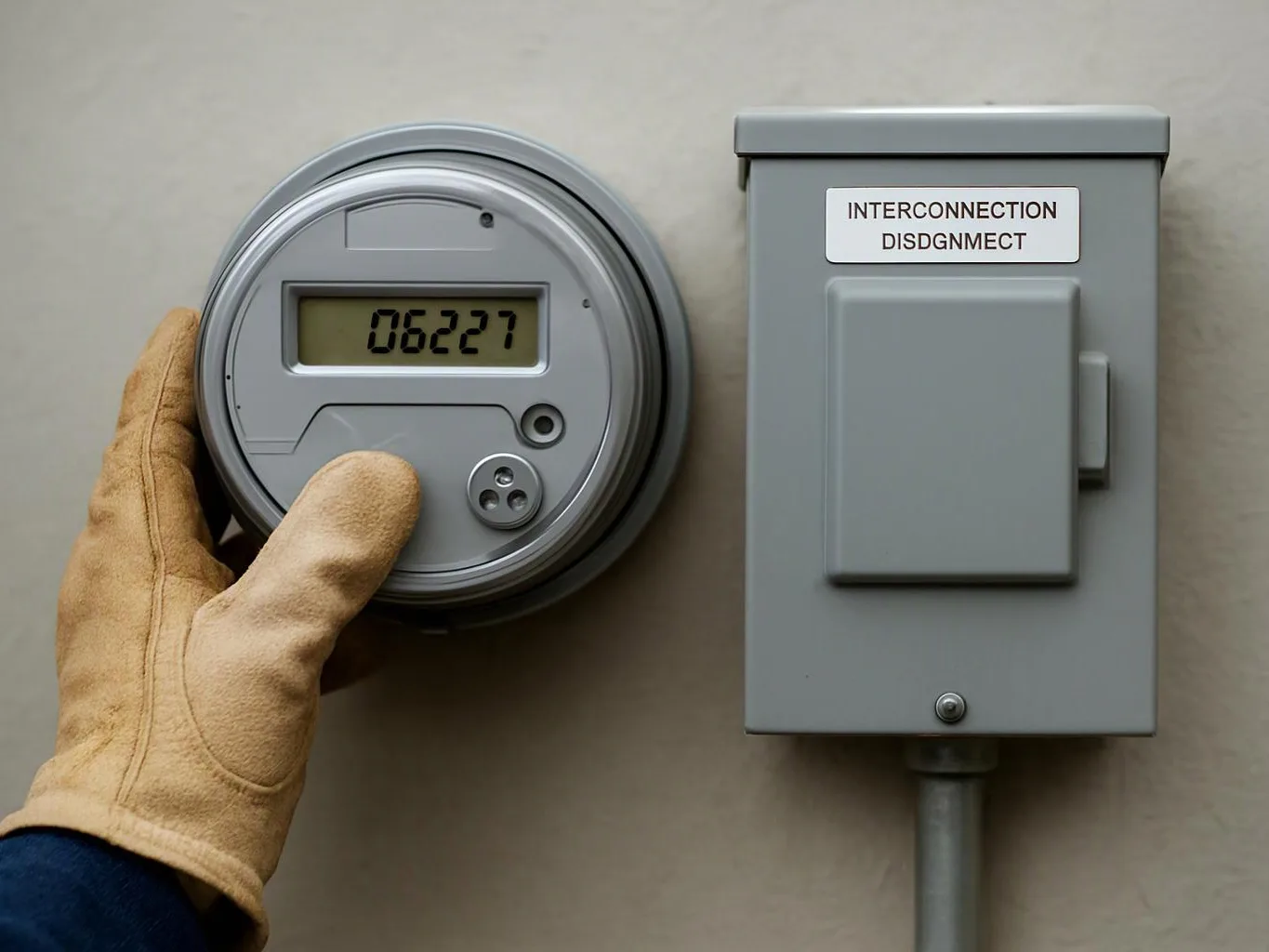
A gloved hand holds a digital meter beside a gray electrical disconnect box on a wall

ZIP Codes We Serve in Bloomington, Texas

77951

Standalone home battery critical-load backup installation in Other Areas

(361) 405-6801