Planning Indoor, Outdoor, and Specialty Lighting Installation
Indoor lighting installation planning ideas should connect room function, fixture placement, controls, light quality, safety, and future maintenance. Service Electric uses those factors to plan indoor, outdoor, recessed, LED, and security lighting installations around how each space is used.
Request an Estimate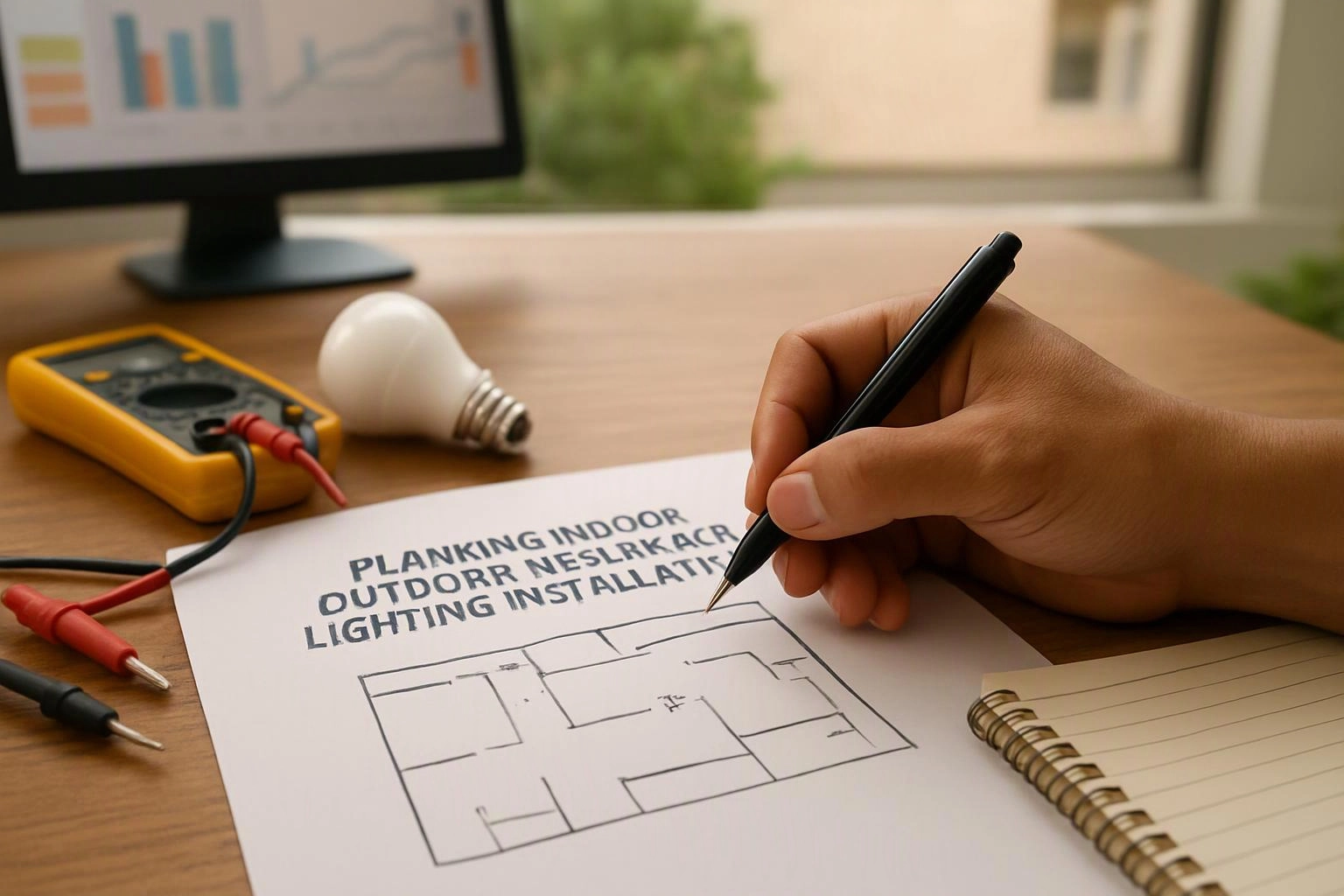
How Should You Start an Indoor Lighting Installation Plan?
Indoor Lighting Installation planning starts with the room's purpose, existing daylight, task areas, fixture locations, switching needs, and the desired atmosphere.
We begin with the room function and build a lighting layout around how people move, work, relax, and use the space. Our team groups the plan into ambient lighting for general visibility, task lighting for focused work, and accent lighting for features that need attention.
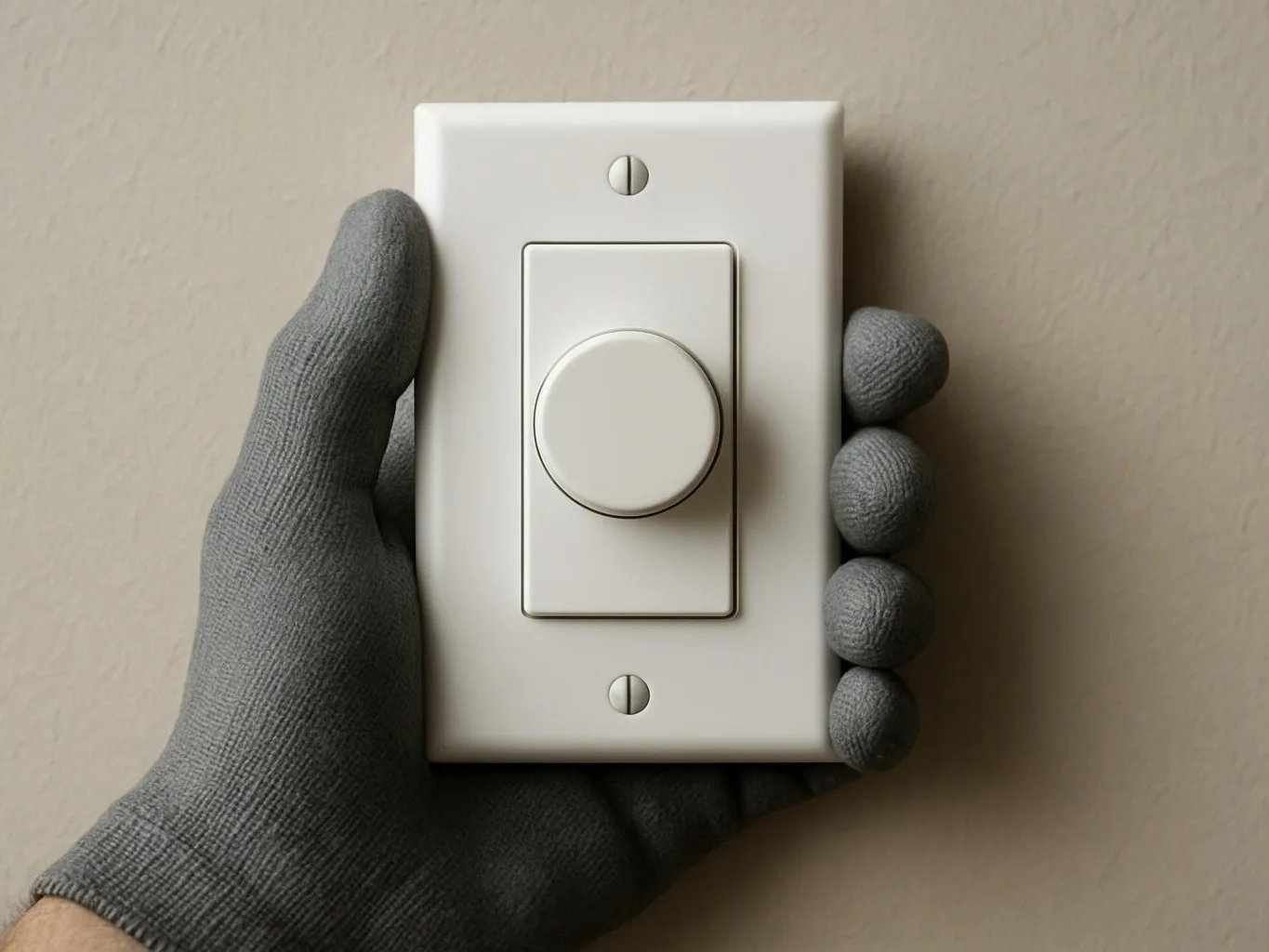
Fixture placement and lighting controls should support that layout. We review switch locations, dimmer needs, control zones, electrical circuits, and future maintenance before installation begins.
Which Indoor Lighting Ideas Fit Different Rooms?
Indoor lighting choices should match the room's activities, surfaces, and desired light quality. We combine ambient, task, and accent lighting so each room has useful illumination without relying on one fixture type.
| Room | Planning focus | Useful lighting layers |
|---|---|---|
| Kitchen | Reduce shadows across counters, sinks, and cooking areas. | Ambient and task lighting with focused accent lighting. |
| Bathroom | Support safe movement and clear mirror visibility. | Ambient lighting and balanced task lighting. |
| Living room | Create flexible light for conversation, reading, and display areas. | Dimmable ambient and accent lighting. |
| Bedroom | Support calm general light and focused bedside use. | Soft ambient and bedside task lighting. |
| Hallway | Provide even visibility along the walking path. | Ambient lighting with accent options near artwork or transitions. |
What Should You Check Before Installing Recessed Lighting?
Recessed Lighting Installation requires a review of ceiling access, structural obstructions, insulation, fixture placement, electrical capacity, and control compatibility.
How Can LED Lighting Improve an Installation Plan?
LED Lighting Installation can support efficient, low-maintenance illumination when the lamp, fixture, dimmer, color quality, and intended use are matched.
Color temperature affects the feel of a room, while color rendering affects how finishes, food, artwork, and furnishings appear. We match both factors to the room and check fixture compatibility before installation.
Dimming depends on the relationship between the LED fixture and the dimmer. Our team also considers heat management, energy use, maintenance access, and whether the selected fixture can be serviced without unnecessary ceiling or wall work.
When Do Indoor and Outdoor Lighting Need to Be Planned Together?
Indoor and outdoor lighting should be planned together when the property uses connected entries, access routes, or control zones. Coordinated planning helps the lighting layout support movement from inside to outside.
How Do Indoor and Outdoor Lighting Work Together?
Indoor and outdoor lighting work together when circuit planning, control zones, fixture placement, and installation sequencing are coordinated across the property.
What Should You Consider Before Outdoor Lighting Installation?
Outdoor Lighting Installation planning considers weather exposure, mounting surfaces, visibility, pedestrian movement, property features, wiring routes, and the effect of light on neighboring areas.
We review exterior walls, walkways, driveways, landscape features, and likely service paths before selecting fixture locations. Weather-resistant fixtures must suit the exposure and mounting surface.
Light distribution and glare control matter as much as brightness. Our team positions fixtures to support visibility while limiting light trespass, harsh shadows, and unwanted glare.
How Should You Plan Security Lighting?
Security Lighting Installation should cover vulnerable access points and movement areas while controlling glare, shadows, sensor coverage, and visibility for cameras.
What Changes the Cost of a Lighting Installation Plan?
Lighting installation cost changes with fixture selection, access conditions, wiring distance, circuit requirements, controls, surface repairs, and the number of indoor and outdoor areas included.
Ceiling access, wall access, and the existing wiring route can change the work involved. Fixture count, dimmers, motion sensors, photocells, and other controls also shape the scope.
We review the lighting installation scope and provide a quote based on the actual property conditions. The quote should identify fixture selection, electrical circuits, controls, installation areas, and related access work.
How Service Electric Turns a Lighting Plan Into an Installation
Service Electric turns a lighting plan into an installation by connecting the site conditions, lighting layout, electrical load, fixture compatibility, and testing process.
What Should You Ask Before Choosing Lighting Fixtures?
Fixture selection should answer how the fixture distributes light, matches the desired color temperature, works with dimming, and can be reached for maintenance.
Ask whether indoor fixtures suit the room's moisture, heat, and use conditions. Outdoor fixtures should match weather exposure, mounting surfaces, light trespass concerns, and the required weather-resistant rating.
We also review fixture compatibility with lamps, dimmers, controls, and existing electrical circuits. Maintenance access and warranty terms should be clear before the lighting layout is approved.
Questions About Planning Lighting Installation
Can recessed lighting be added to an existing ceiling?
Yes, recessed lighting can be added to an existing ceiling when ceiling access, joist placement, insulation, wiring routes, and fixture clearances support the layout. Service Electric checks those conditions and matches the housing, trim, circuit, and dimmer to the installation.
What color temperature should you choose for indoor LED lighting?
Indoor LED lighting color temperature should match the room's purpose, finishes, and desired atmosphere. We also consider color rendering, dimming, fixture compatibility, and how daylight changes the room.
Where should outdoor security lights be placed?
Outdoor security lights should cover entry points, driveways, walkways, and areas hidden by structures or landscaping. We place fixtures and motion sensors to improve coverage while managing glare, shadows, light trespass, and camera visibility.
Do outdoor lights need separate controls from indoor lights?
Outdoor lights may need separate controls when their use, sensor coverage, or operating conditions differ from indoor lighting. We plan switching zones, dimmers, photocells, and motion sensors around the property's movement and safety needs.
What should an indoor and outdoor lighting quote include?
An indoor and outdoor lighting quote should identify the lighting layout, fixture selection, circuit requirements, wiring routes, controls, installation areas, access work, testing, and related surface repairs. We use those details to define the planned scope and provide an exact quote.
Plan Your Lighting Installation
Service Electric can help connect room function, exterior safety, fixture compatibility, controls, and electrical circuits into one practical lighting plan. Contact us to discuss your indoor, outdoor, recessed, LED, or security lighting scope.